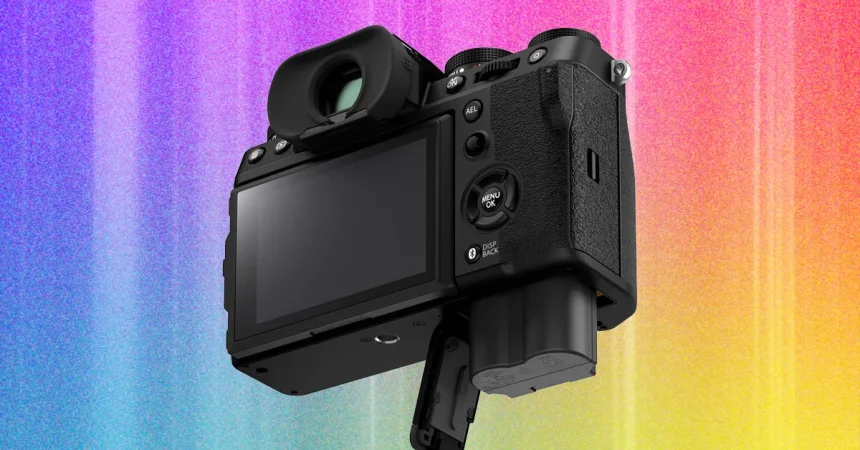
Choosing your first camera lens can feel like navigating a maze, but the best advice for beginners is to embrace the humble “kit lens.” Often bundled with your camera body, these lenses are designed to be accessible and cost-effective entry points into photography. While they may not offer the professional-grade sharpness of high-end optics, they provide a flexible zoom range—typically spanning 35mm to 80mm—that allows you to experiment. By starting here, you give yourself the freedom to learn your personal preferences. After you’ve spent a few months behind the viewfinder, you’ll naturally discover which focal lengths suit your style, making your future investments much more intentional and effective.
Understanding lens categories is your next step in mastering the craft. At the widest end, you have wide-angle lenses (12mm to 35mm), which are perfect for sweeping landscapes and architecture. “Normal” lenses (40mm to 65mm) offer a field of view that closely mimics the human eye, providing a natural perspective for street and candid photography. Finally, telephoto lenses (anything above 80mm) act like a telescope, bringing distant subjects up close, which is ideal for wildlife or sports. Beyond these ranges, you’ll choose between zoom lenses, which offer the convenience of variable focal lengths, and prime lenses, which have a fixed focal length but offer superior speed and better performance in low-light conditions.
Choosing between zoom and prime lenses is a classic photographer’s dilemma. Zoom lenses are the workhorses of the industry, offering the versatility to shift from a tight portrait to a wide scene without changing gear. However, this flexibility often comes at a cost; they tend to have higher minimum f-stops, which can limit your ability to blur the background or shoot in dim lighting. Prime lenses, conversely, are prized for their “speed”—a wide aperture that creates that creamy, sought-after background blur known as bokeh. While you lose the ability to zoom, the trade-off is often a sharper, brighter image. There’s a place in every bag for both, but decide whether you value the convenience of the zoom or the artistic soul of the prime.
One technical trap many new photographers fall into is the dream of mixing and matching gear across brands. While it is technically possible to use an adapter to put a lens from one manufacturer onto a camera body from another, it is rarely a smooth experience. You will often lose essential features like autofocus, and the communication between the lens and camera is frequently sluggish. Investing in “native” lenses—those made by the same brand as your camera—ensures that every button, dial, and focus motor works exactly as the engineers intended. The user experience is consistently more reliable, and in photography, the last thing you want is for your gear to get in the way of a fleeting moment.
Once you’ve settled on your gear, don’t overlook the “unsexy” essentials that keep your equipment safe and operational. Your camera is an investment, so protect it with a well-padded bag and a comfortable, sturdy strap that won’t bite into your neck during long days of shooting. Next, focus on your storage; choose high-quality memory cards like the Lexar SD line or Sony CFexpress cards, depending on what your specific camera requires. Speed matters when you’re shooting high-resolution bursts or video, so don’t be tempted by the cheapest option on the shelf. Treat your accessories with the same care you give your camera body, and you’ll avoid the heartbreak of lost data or damaged equipment.
Finally, the most important advice is to stop reading technical guides and start taking pictures. There is a common obsession in the photography world with having the “best” gear, but the truth is that no one cares what camera you use—they only care about the story your image tells. Whether your results are breathtaking or flawed, every frame is a lesson. Spend your energy studying the masters, observing how light falls on a subject, refining your composition, and waiting for the perfect moment. The camera is simply a tool; your eye, your heart, and your curiosity are what will turn a simple file into a compelling photograph. Go out, make mistakes, learn from them, and most importantly, keep shooting.