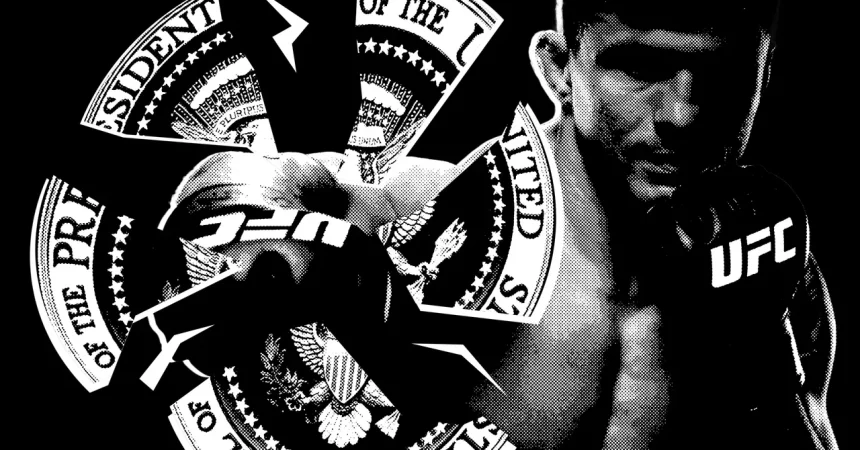
This weekend, the White House is undergoing an unprecedented transformation, trading its typical somber decorum for the raw, high-intensity atmosphere of the Ultimate Fighting Championship. President Donald Trump, a long-time enthusiast of mixed martial arts, has personally orchestrated this spectacle to coincide with his birthday. It is more than just a fight card; it is a meticulously curated personal birthday present, conceptualized and executed under the President’s direct oversight. While the venue is typically reserved for state dinners and policy briefings, this weekend it will host an Octagon, turning the seat of American executive power into a temporary arena for combat sports.
The logistics behind this event are as complex as a political campaign, with a massive price tag of approximately $60 million being covered entirely by the UFC. Because the event is being underwritten by the organization rather than taxpayers, the tickets are technically free, yet they have become the most valuable currency in Washington. With the President personally controlling the guest list, the scramble for seats has reached a fever pitch. Aides close to the administration describe a scene of intense demand, where the most coveted spots are located directly beneath “The Claw,” a massive 92-foot steel structure housing the lighting and sound rigs. It is a striking visual: the machinery of high-tech entertainment looming over a space traditionally reserved for diplomacy.
For the corporate world and the influence-seeking class, this event represents a rare bypass of the standard, often opaque, corridors of power. Usually, access to the President during his second term has been funneled through exclusive, million-dollar “candlelight dinners” hosted by pro-Trump super PACs. However, those dinners are infrequent, sometimes leaving months of silence on the fundraising calendar. Consequently, political consulting firms have been aggressively advising their clients to pivot toward these UFC sponsorship packages. By securing one of these high-tier, million-dollar ringside slots, corporate executives see a golden opportunity for face-to-face interaction with the Commander-in-Chief—a level of access that has become increasingly difficult to schedule through traditional channels.
Naturally, this convergence of high-stakes sports entertainment and political proximity has raised eyebrows regarding potential conflicts of interest. With major UFC sponsors, such as Meta, maintaining substantial business interests before the federal government, critics have pointed to the optics of lobbying taking place at a state-sanctioned prize fight. However, the White House has remained steadfast in its rebuttal. Spokesperson David Ingle dismissed these concerns as “fake news,” labeling the scrutiny as an irresponsible attempt to manufacture conflict where none exists. To the administration, this is simply a celebration of a sport the President loves, unencumbered by the political machinations that observers are quick to suggest.
Behind the scenes of the glamour and the guest lists, there have been some noteworthy hurdles in securing the talent for the ring. Despite the immense resources poured into the event, organizers were unable to land the sport’s biggest box-office icons, Jon Jones and Conor McGregor. Negotiations, led by UFC President Dana White and his team, reportedly hit walls that even the allure of a White House stage could not overcome. The absence of a superstar like McGregor, whose return to the Octagon is one of the most anticipated potential moments in sports, represents a slight tempering of the event’s historic stature. Still, the show will go on, with White and UFC ownership controlling a significant portion of the seats, ensuring that the crowd is a carefully selected blend of the political and the powerful.
Ultimately, this weekend marks a defining moment in the unique intersection of modern American celebrity culture and political branding. It showcases a style of governance where the President’s personal preferences become national events, and where the line between private entertainment and public policy becomes increasingly blurred. Whether this becomes a new tradition or remains a singular, eccentric experiment in White House event planning, it has effectively commanded the attention of the capital. As the lights dim and the fighters step into the Octagon under the gaze of the nation’s political elite, the event will stand as a testament to President Trump’s desire to craft a presidency that is as much about spectacle as it is about statecraft.