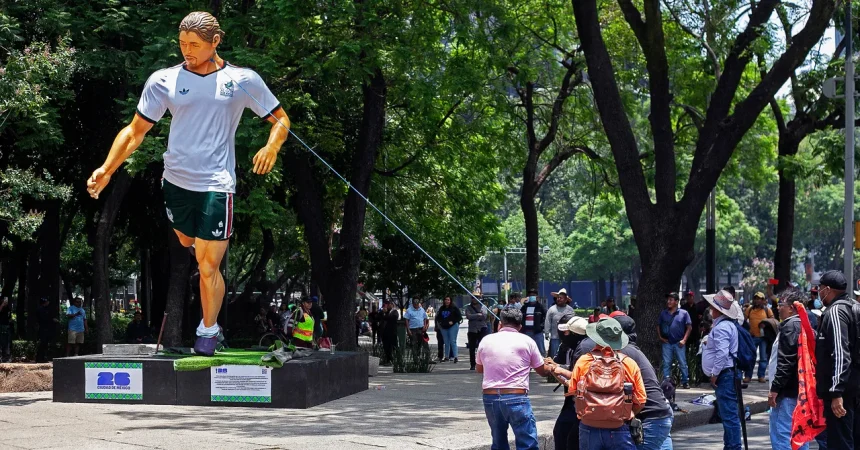
The upcoming 2026 FIFA World Cup, hosted across the United States, Mexico, and Canada, is historically unique for its scale, yet it has sparked urgent alarm from Amnesty International. While soccer fans worldwide look forward to the “beautiful game,” human rights advocates are sounding the alarm that the tournament’s infrastructure arrives alongside significant risks to civil liberties. In a sobering report titled “Humanity Must Win,” Amnesty warns that the joy of a global celebration is currently being overshadowed by the potential for systemic abuse. Instead of the tournament being a low-risk event as FIFA initially projected, the organization argues that the host nations—particularly the U.S.—are navigating complex human rights crises that could directly harm visitors, players, and local populations alike.
The United States, which is set to host the vast majority of the matches, faces the heaviest scrutiny in the report. Amnesty characterizes the current climate in the country as a “human rights emergency,” specifically citing the heavy-handed involvement of agencies like Immigration and Customs Enforcement (ICE) and Customs and Border Protection (CBP). The fear is that the massive security apparatus required for a global event will rely on racial profiling and mass detentions, turning a festive atmosphere into a theater of state-sanctioned surveillance. When officials like former acting ICE director Todd Lyons indicate that immigration enforcement will play a “key part” in tournament security, it raises fundamental questions about whether fans from diverse backgrounds will feel safe or be subject to unnecessary, aggressive policing.
Moving south to Mexico, the atmosphere is marred by chronic, high-level violence, which authorities are attempting to curb through an unprecedented militarization of public spaces. With the deployment of roughly 100,000 security agents—many of whom are soldiers—the government’s focus on rigid control creates a powder keg for those seeking to exercise their right to peaceful protest. Among them are groups like the “searching mothers,” who advocate for the over 133,000 victims of forced disappearances in the country. There is a profound concern that the presence of heavy artillery and military personnel around iconic venues like the Banorte Stadium will effectively silence legitimate, peaceful demands for justice, treating human rights advocates as public safety threats rather than voices of conscience.
Canada, meanwhile, faces its own set of distinct challenges rooted in the country’s deepening housing crisis. As host cities like Toronto prepare for an influx of tourists and media crews, there is a tangible anxiety that the most vulnerable populations—specifically the homeless—will be displaced, evicted, or pushed out of sight to cater to the spectacle of the tournament. The risk here is that the economic engine of the World Cup will lead to “hostile architecture” and aggressive municipal clearing operations. The concern is that the profit-driven goals of the tournament may prioritize an image of polished, sanitized stadiums over the fundamental rights of marginalized people who are left struggling to find shelter within their own cities.
Perhaps the most condemning finding in the report is the lack of institutional accountability regarding these potential abuses. Back in March, Amnesty revealed that only a small fraction of the 16 host cities had bothered to publish any meaningful plans for the protection of human rights during the event. This administrative silence is deafening. Without clear, binding frameworks, there is little to stop authorities from blurring the lines between standard event security and invasive policing. Amnesty is strongly urging host cities to refrain from using military force for civilian tasks and to set strict boundaries that prevent immigration enforcement agencies from conducting raids at or around World Cup venues.
Ultimately, the 2026 World Cup serves as a litmus test for whether global sporting events can coexist with the protection of human rights. If the tournament remains on its current trajectory, the legacy of these games may not be the record-breaking goals or the tactical brilliance on the pitch, but rather the heavy-handed securitization of civilian life. As the world turns its eyes to North America, the message from advocates is clear: sport cannot be divorced from reality, and FIFA, alongside the host nations, has a moral obligation to ensure that the tournament does not come at the expense of privacy, dignity, and the right to peaceful assembly. Humanity must, indeed, win—because if the celebration of a game costs people their human rights, then the tournament has fundamentally failed.