In the relentless pursuit of a good night’s sleep, technology has stepped in with a promise that is both simple and profound: soothing sounds and gentle light to guide you into slumber and ease you out of it. White noise machines, once clinical and utilitarian, have evolved into sophisticated sleep companions. They are no longer just about masking disruptive sounds; they have become part of a holistic bedtime ritual, helping to quiet the racing mind, signal to the body that it’s time to rest, and create a personal sanctuary within the bedroom. The market is now filled with options, each catering to different needs, from the tech-savvy individual who wants data on their rest to the weary parent desperate for a few more hours of uninterrupted sleep for their newborn. Choosing the right one, however, can feel like a daunting task, with a dizzying array of features, sounds, and price points. The journey to finding the perfect sleep aid often involves navigating this landscape, balancing the desire for simple functionality with the lure of cutting-edge smart home integration.
For those who crave versatility and are looking for a device that does more than just produce a single hum, a multi-functional sound machine that doubles as an alarm clock and ambient light is often the ideal choice. These devices represent the pinnacle of sleep technology, aiming to manage both the entrance into sleep and the exit from it. By mimicking a natural sunrise, they promise a gentler wake-up experience than a jarring, electronic beep. These advanced models often come with an accompanying smartphone app, allowing for unprecedented control. Users can program complex, multi-step routines that gradually dim the light, lower the volume of a chosen soundscape, and eventually transition into a warm, sunrise-like glow to wake them. Some models have built upon their predecessors by adding physical controls, acknowledging that fumbling with a phone app when half-asleep is less than ideal. Quick-touch buttons on the device itself allow for immediate, intuitive adjustments, whether it’s boosting the volume of rain sounds or turning on a soft nightlight for a middle-of-the-night trip to the bathroom. However, this sophistication often comes with a cost, both financially and in terms of simplicity. The light output might not be as powerful as some users hope, and the most impressive libraries of sounds, meditations, and sleep stories are frequently locked behind a subscription service, which could be a point of contention for those who prefer a one-time purchase.
In a significant leap forward, the latest generation of white noise machines has begun to incorporate contactless sleep tracking, transforming the humble sound machine into a comprehensive sleep monitoring device. This innovation uses motion-sensing technology to detect movements and breathing patterns, providing a detailed analysis of your sleep cycles—how long you spent in light sleep, deep sleep, and REM—all without the need to wear a potentially uncomfortable device, watch, or ring. The data is presented in clean, easy-to-read reports within a companion app, offering valuable insights into your nightly rest. This is a particularly attractive feature for people who are curious about their sleep patterns but are averse to the feel of wearable trackers or have concerns about privacy. Crucially, the most well-designed of these devices do not require a subscription to access your personal sleep data, which is a major plus. Still, these hybrid machines are at the top of the price range, reflecting their dual functionality. They also have specific limitations; they require a stable, flat surface on the nightstand to work accurately, and they cannot provide the physiological data—like heart rate variability—that a wearable can. While they offer a fascinating glimpse into our sleep habits without the privacy invasion of recording audio or video, they still represent a compromise between the simplicity of a standalone sound machine and the depth of a full-fledged medical-grade sleep tracker.
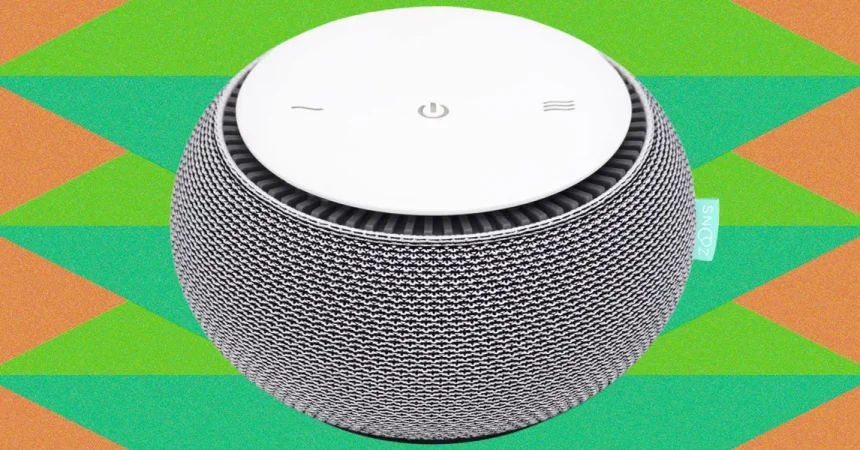
At the opposite end of the spectrum are the analog purists, who appreciate the simplicity and authenticity of a device designed to do one thing remarkably well. These machines often use a real, physical fan to generate white noise, producing a rich, textured, and organic sound that is much deeper and less digital than a looped audio track. There are no apps to configure, no lights to adjust, and no buttons to fumble with in the dark. The interface is stunningly straightforward: you plug it in, push a power button, and twist a sleeve to set the volume. This uncompromising focus on sound quality makes it a favorite among those who find digital loops distracting or ‘choppy.’ The deep, continuous rumble is highly effective at masking disruptive noises from the street or a partner’s snoring. The device is designed to be placed centrally in the bedroom, rather than on a nightstand, to better fill the entire space with a consistent blanket of sound. However, this simplicity is a double-edged sword. These devices offer only the one sound—there are no settings for rain or ocean waves—and they come with a premium price tag for what is essentially a high-end fan. For those who value purity and effectiveness above all else, it is a worthy investment, but for others, the lack of variety may feel restrictive, especially when more feature-rich alternatives are available at a similar or lower cost.
When it comes to the littlest members of the family, the requirements for a sound machine shift. For kids, the device needs to be engaging, simple enough to operate on their own, and durable enough to withstand nightly use. Features like a prominent, easy-to-push button that turns on a colorful nightlight can give a child a sense of control and autonomy in their own bedtime routine, making them more willing to cooperate. The machine may not need to replicate a perfect sunrise, but instead, it should offer a variety of fun colors and familiar lullabies or gentle nature sounds to create a calming environment. A bundled subscription can unlock a vast library of content, continuously keeping the routine fresh for the child and the parents. For infants and the on-the-go lifestyle, portability becomes paramount. A tiny, portable sound machine that can be clipped onto a stroller or diaper bag is an invaluable tool for creating a consistent sleep environment away from home. These compact devices are surprisingly powerful, projecting crisp, clear audio that can drown out a bustling restaurant or a loud family gathering. Many now include a small nightlight and even Bluetooth functionality, allowing parents to stream a custom playlist or a specific favorite sound. Despite their small size, the sound quality is often impressive, though some users may find that pushing the volume to its highest level causes the audio to distort slightly, so a balance between power and quality is key.
For those on a budget or those who have found a “just right” machine, the old-school options still hold tremendous appeal. A basic, affordable sound machine that offers a handful of different sounds—white noise, ocean waves, rain, a summer night, a babbling brook, and thunder—and a few timer options might be all a person needs. These reliable workhorses are built to last, and while they lack the bells and whistles of their smart counterparts, their simplicity is their greatest asset. After a decade of use, the volume knob might become a little worn, and the battery operation might become less reliable, but for a modest price, they deliver consistent, comforting sound night after night. This proves that sometimes, the best solutions are the ones that stand the test of time. Ultimately, the best white noise machine is the one that fits seamlessly into your life and helps you achieve the most fundamental goal: falling asleep and staying asleep. Whether you choose a sophisticated smart device that tracks your every movement, a minimalist fan-based unit, or a simple plug-and-play basic, the path to better rest is paved with the gentle hum of a machine that finally lets your mind switch off.