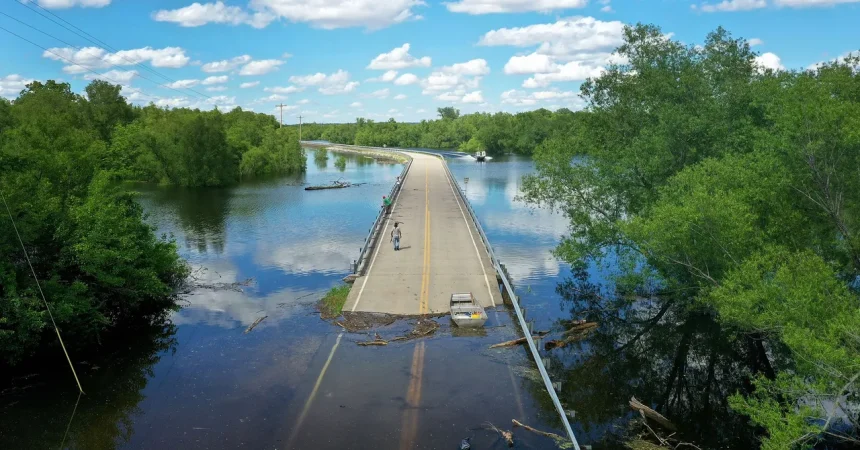
The traditional model of insurance, built on the slow, often agonizing process of assessing physical damage, is rapidly buckling under the weight of a changing climate. For decades, when a disaster struck, homeowners were left in a state of purgatory, waiting for weary field adjusters to visit their properties, file reports, and process claims—a timeline that often lasts months, if not years. However, a revolutionary shift is occurring, one that moves away from the post-catastrophe investigation toward a proactive, data-driven model. This movement, known as “parametric insurance,” fundamentally changes the concept of recovery. Instead of waiting for a house to be appraised after the wreckage is cleared, this system triggers an automatic payout the moment pre-defined environmental thresholds are met, effectively acknowledging that in a world of increasing volatility, speed is the most essential form of justice.
The mechanics of parametric insurance read like science fiction, yet they are grounded in the cold, hard logic of remote sensing. By utilizing a network of satellites, climate sensors, and artificial intelligence, the system monitors specific phenomena: a gust of wind sustained for exactly 60 seconds, or a precise measurement of rainfall within a single hour. When these thresholds are crossed, the payout is triggered automatically. Because the event is documented by objective, high-tech data rather than the subjective opinion of an inspector, the bureaucratic “red tape” is eliminated. Money arrives in the hands of the affected parties—whether they be local governments or business owners—within days. This liquidity allows for immediate stabilization, transforming insurance from a retroactive financial cushion into an active tool for rapid recovery and infrastructure repair.
The genesis of this model didn’t begin in a boardroom in Manhattan or London, but in the frontlines of climate vulnerability in Eastern and Southern Africa. Throughout the early 2010s, countries like Malawi and Ethiopia became the proving grounds for parametric models, testing them in settings that traditional insurers had long labeled “uninsurable.” The success of these initiatives caught the attention of global organizations and, eventually, local leaders like Wellenkamp. As the Mississippi River basin faced unprecedented floods in 2019, those looking for a way to build resilience began to view these international successes as a potential blueprint for American cities. By pooling resources from governments, nonprofits, and private business interests, regions can now create a shared financial safety net that responds instantly to the specific environmental stressors of their unique geography.
Today, this model is rapidly migrating into North American markets, signaling a major transition in how we view the “Future of Home.” From the Bay Area to the coasts of New York, municipalities and homeowners’ associations are beginning to embrace shared, parametric policies. Fremont, California, for example, has pioneered city-wide flood coverage, while organizations in New York City are exploring similar models for low-lying, vulnerable neighborhoods. These are not individual policies for a single living room; they are collective agreements meant to protect the integrity of entire towns and ecosystems. Even the hospitality industry in tourist hotspots like Hawaii and Cancun has adopted this method to protect natural assets, such as coral reefs, recognizing that economic health is tethered directly to the resilience of the surrounding environment.
The global impact of these policies provides a compelling argument for their necessity. When Hurricane Beryl struck the Caribbean in 2024, the parametric system wasn’t just a promise on paper; it was a lifeline. Because 16 governments had invested in a shared plan, the payout was nearly instantaneous. Grenada alone received nearly $44 million within days, money that didn’t get stuck in the gears of insurance litigation but went directly toward reopening schools, repairing critical water lines, and restoring power to hospitals. This level of agility is exactly what communities need as they face the increasing frequency of “once-in-a-century” storms that now seem to occur with alarming, annual regularity. It reframes the role of insurance from a commercial product into a vital piece of public infrastructure.
Ultimately, parametric insurance represents a humbler, more pragmatic engagement with the reality of our modern world. It accepts that we cannot always stop nature’s fury, but we can drastically shorten the window of catastrophe by shortening the window of financial recovery. By betting on data rather than relying on human perception, we are finding ways to keep our cities standing even when the elements turn against us. Whether it is an island nation repairing its roads or a city neighborhood protecting its public services, parametric insurance is proof that we can adapt our systems to be as fast and as fierce as the challenges we face. In this collaborative future, “insuring the home” is no longer just about guarding property; it’s about ensuring the continuity of the community itself.