The landscape of artificial intelligence policy is currently a friction-heavy theater, particularly regarding the high-stakes negotiations between the Trump administration and Anthropic. The core of the tension revolves around the “Claude Fable 5” and “Mythos” AI models, which were pulled from public access on June 12 due to severe security concerns. The National Security Agency (NSA) had flagged significant vulnerabilities, suggesting that the existing safety guardrails were effectively porous, allowing users to unlock capabilities that were never intended to be accessible. For a while, these negotiations were deadlocked, largely attributed to a breakdown in communication between the White House and Anthropic’s CEO, Dario Amodei. Sources within the administration described Amodei as difficult to work with, noting that he often struggled to address the government’s specific security anxieties, leading to a frustrating impasse that kept the company’s most advanced technology trapped behind an export-control wall.
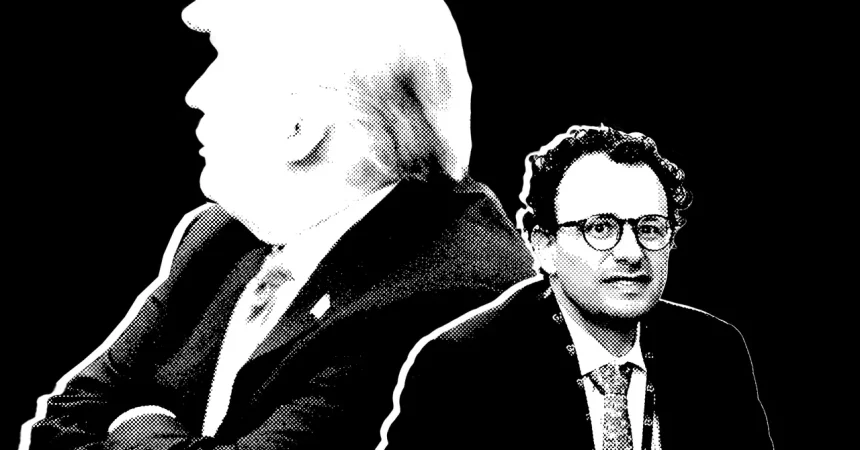
However, the tone of these discussions has shifted dramatically in recent days following a shake-up in Anthropic’s diplomatic strategy. The company has moved away from having the CEO at the center of the negotiations, pivoting instead to a team led by cofounder Tom Brown and public policy chief Sarah Heck. The change has been received with immediate relief by government officials, who characterize Brown as a more pragmatic and collaborative presence. Unlike the previous encounters, these sessions are now described as productive working-group meetings where technical staff from both sides are finally speaking the same language. The goal has shifted toward defining a concrete “burden of proof”—identifying exactly what technical reassurances the government needs to see before they feel comfortable allowing the Fable 5 model back into the wild.
Despite this newfound diplomatic agility, the underlying conceptual challenge remains a significant hurdle. Security experts are increasingly vocal about the reality that traditional AI guardrails act as more of a temporary barricade than a permanent solution. There is a looming realization in the industry that as long as models are sophisticated, persistent users and even future iterations of AI will eventually find creative ways to circumvent these safety constraints. While Anthropic and the administration are working feverishly to draft a framework for redeployment, the technical reality is that the “jailbreak” problem may be a permanent feature of the landscape rather than a temporary bug. The White House and Anthropic remain tight-lipped as they work through these complexities, leaving the official timeline for model re-release intentionally vague and subject to the outcomes of these granular technical audits.
External pressure is also mounting as Congress seeks to insert itself into the process to ensure bureaucratic accountability. Last week, a bipartisan group of lawmakers—including Representatives Sam Liccardo, Jay Obernolte, C. Scott Franklin, and Ted Lieu—sent a pointed inquiry to Commerce Secretary Howard Lutnick. By framing their concerns around the oversight managed by the Bureau of Industry and Security, these lawmakers are demanding that the administration stop playing in the shadows and define specific criteria for when and how an AI model can be cleared for public use. With a June 26 deadline for these answers, the Commerce Department is under the microscope to explain why the model was pulled, what exactly needs to change for its return, and precisely how they plan to measure success in this volatile field.
Parallel to the high-level tech debates, the atmosphere within the White House has been increasingly colored by President Trump’s volatile focus on the aesthetic and structural maintenance of the Lincoln Memorial’s reflecting pool. A $16.4 million renovation project has turned into a public relations headache, with algae blooms and detachment issues in the blue sealant triggering an intense reaction from the president. Trump has taken to Truth Social to express his frustration, going as far as claiming that vandals were actively destroying the site. This has prompted a strange and aggressive administrative response, including the installation of fencing around the pool and strict orders for the National Guard to detain—and Park Police to arrest—anyone seen tampering with the water or the sealant.
The legal justification being used to manage the pool has led to a surreal standoff between the public and federal authorities. By invoking archaic regulations that prohibit the disturbance of “cultural or archeological resources” and bans on wading or bathing in prohibited pools, the administration has created a high-stakes environment where a simple gesture—like putting a hand into the reflecting pool—could lead to a misdemeanor charge. It is a striking contrast: on one side of the administration, officials are struggling to navigate the cutting-edge, existential risks of super-intelligent AI, while on the other, they are deploying law enforcement to guard against ripples in a pool. Whether concerning the digital constraints of an AI model or the physical boundaries of a landmark, the administration’s focus remains anchored in a desire for total control over systems that are proving increasingly difficult to manage.