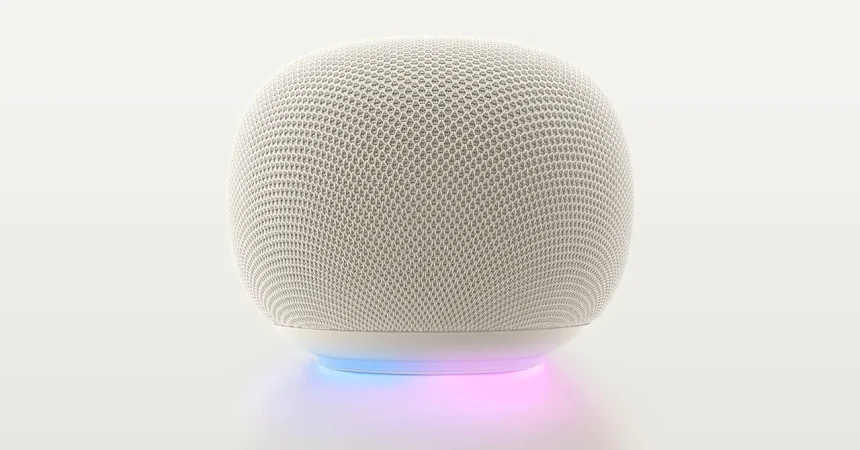
It has been an incredibly long six-year hiatus since Google last debuted a dedicated smart speaker, a period that feels like a lifetime considering how much our world—and our technology—has shifted since the height of the pandemic. For years, the landscape of smart home audio felt stagnant, governed by the familiar, sometimes rigid limitations of the classic Google Assistant. However, the wait is finally over. Google is breaking its silence with the launch of the new Google Home Speaker, a device that represents more than just a hardware refresh. It is a strategic pivot, marking the official transition from the legacy Assistant to the far more sophisticated and nuanced Gemini AI.
After months of anticipation following its teaser last fall, the speaker is finally hitting the market. While the launch timeline pushed slightly into the summer, the release is now set: preorders officially open on June 17, with the device landing on doorsteps and shelves by June 25. Priced at an accessible $100, the speaker is designed to blend into your living space with a vibrant color palette, including Hazel, Porcelain, and, for U.S. customers in particular, two playful, eye-catching shades: Berry and Jade. The Berry version is so aesthetically pleasing it practically invites you to find a spot for it on a kitchen counter or a bookshelf, proving that Google is leaning back into the “lifestyle” aspect of home technology.
The real magic, however, lies under the hood. For those accustomed to the “Hey, Google” ecosystem, the physical interaction remains blissfully familiar, but the intellectual output is entirely different. Gemini is not just a smarter version of its predecessor; it is a fundamental leap forward in natural language processing. In the past, interacting with a smart speaker often felt like a polite dance where you had to choose your words precisely to be understood. If you stumbled mid-sentence or gave a slightly off-kilter command, the old Assistant would often default to a confused error message. Gemini, by contrast, functions with a human-like fluidity. You can stutter, double back, or rephrase your question while mid-sentence, and the AI maintains the thread of your intent without breaking a sweat.
This evolution extends to how we manage our homes. You are no longer tethered to one-command-at-a-time setups. Gemini is capable of parsing complex, layered requests, such as asking it to dim every light in the house except for your bedside lamp, or chaining together multiple instructions in a single breath. The “Continued Conversation” feature, which allows you to fire off follow-up questions without repeating the “Hey, Google” wakeup command, has also been significantly upgraded. Previously restricted to English, this feature has now been expanded to all supported languages, effectively flattening the linguistic barriers that used to make global smart homes feel fragmented.
For those of us living in homes bristling with security cameras, the integration of Gemini provides a much more intuitive way to keep tabs on our property. Instead of digging through timeline clips or motion alerts, you can simply ask the speaker intuitive, natural questions like, “Did the FedEx driver drop off my package today?” or “Did the dog manage to sneak a cookie off the counter?” While this functionality is technically part of the broader Gemini update for Google Home, having a dedicated piece of hardware optimized to process these queries makes the smart home experience feel vastly more efficient and less like a chore.
Finally, Google has focused on making the voice experience feel more personable and dynamic. With ten distinct voices to choose from, you can customize the personality of your speaker to better suit your home’s environment. Perhaps the most interesting addition is “Gemini Live,” which allows you to enter a real-time, back-and-forth dialogue with the speaker. By simply saying, “Hey Google, let’s talk,” you can engage in sustained conversations—be it brainstorming for a project or just chatting—without the awkward pauses that usually define digital assistants. It is a bold, long-awaited step toward a future where our devices feel less like robotic interfaces and more like responsive, helpful partners in our day-to-day lives.