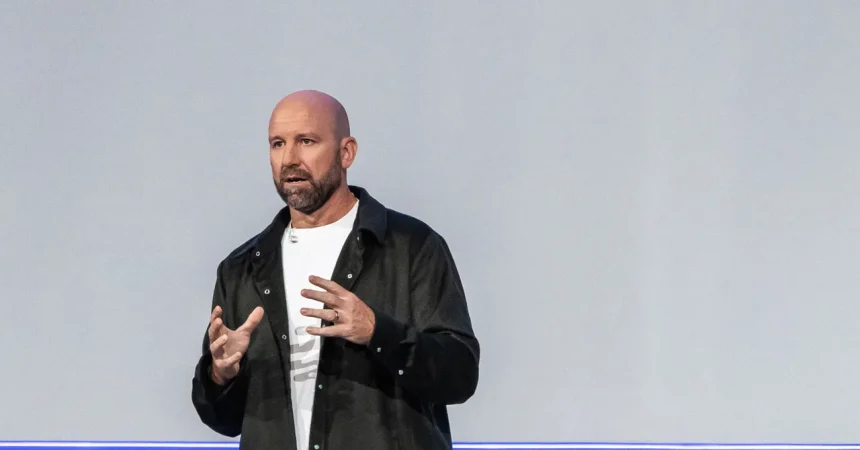
In a candid and surprisingly vulnerable internal memo, Meta’s Chief Technology Officer, Andrew Bosworth, recently acknowledged that the company’s transition into a more AI-centric organization has been fraught with missteps. When Meta launched its massive Applied AI unit this past March, gathering 6,500 engineers into a single, high-stakes division, the intent was to accelerate the firm’s development of generative AI. However, the execution left much to be desired. Engineers were quick to express their frustration, with some even describing the environment as a “gulag” due to the feeling that their specialized talents were being sidelined for menial tasks. Bosworth didn’t mince words in his acknowledgment, admitting that the company performed “atrociously” during this rollout, failing to provide the stability, clear vision, or sense of purpose that high-level tech talent expects from an industry leader.
The core of the issue lies in the erosion of trust between leadership and the workforce. As Bosworth candidly noted, the rapid shifts in strategy—coupled with a turbulent boom-and-bust hiring cycle—left entire teams feeling abandoned, adrift, and undervalued. This internal tension is not occurring in a vacuum; it is part of a larger, systemic crisis of morale that has plagued Meta following mass layoffs and a tightening of corporate oversight. When employees feel that their individual contributions are merely disposable components in a giant machine, it inevitably kills the innovation that Meta prides itself on. By openly apologizing for the lack of communication and the instability created by constant restructuring, Bosworth is attempting to repair a broken psychological contract with his engineers, acknowledging that talent only flourishes when it feels seen, supported, and secure.
Recognizing the gravity of the internal unrest, the company is now pivoting toward a more human-centered approach to management. The new strategy involves tangible structural changes, such as capping the number of direct reports per manager to roughly 20, ensuring that leaders have the bandwidth to actually mentor their teams rather than simply overseeing the assembly line. Furthermore, the company is promising more transparency regarding the “why” behind major shifts, aiming to eliminate the feeling of corporate whiplash that has left many employees frustrated. By also empowering workers with tools like internal “AI coaching” and relaxing the forced assignments that previously trapped engineers in roles they didn’t choose, leadership is effectively trying to give employees back the agency that was stripped away during the initial scramble to get the AI division off the ground.
One of the most revealing aspects of this cultural pivot is the shift in how the company speaks about the relationship between humans and artificial intelligence. There is a palpable anxiety among tech workers that AI will make them obsolete, a fear exacerbated by the very nature of the work they are being tasked with. Bosworth countered this directly by emphasizing that Meta does not believe human engineers should be replaced by their own creations. Instead, he framed the challenge as a need for upskilling, using the mantra that while AI may not take a job, a person who knows how to effectively harness AI certainly might. By acknowledging that there will still be difficult “trade-offs” regarding resources and compute power, he is attempting to replace fear-based management with a promise of transparent, responsible investment.
Beyond the metrics and the strategy, Meta is finally addressing the most basic human element of corporate life: the office experience itself. Recognizing that a sterile, high-pressure, or disconnected environment is antithetical to creativity, the company is turning its attention to the physical atmosphere of the workplace. From upgrading their famous “microkitchens” with better snacks and beverages to increasing budgets for social events and business travel, management is hoping to reignite a sense of camaraderie. For a company that has spent years navigating remote-work shifts and the isolation of large-scale corporate restructuring, these efforts are not just about food and perks; they are a symbolic gesture aimed at proving that the office is still a place for community, interaction, and team-building.
Ultimately, this reset represents a rare moment of humility for a tech giant often defined by its relentless pursuit of progress. Whether this collection of policy shifts, better snacks, and apologies will be enough to “rekindle” the spirit of Meta’s workforce remains to be seen. The damage caused by the initial “atrocious” rollout of the AI division runs deep, and building trust is historically a much slower process than building software. However, by admitting to their faults, prioritizing the well-being of their staff, and restoring the autonomy of their engineers, Meta is signaling a necessary evolution. They are learning that even in the age of generative AI, the most important driver of success remains the same: the motivation, morale, and genuine commitment of the people doing the work.