The environment inside the control room feels less like a professional production studio and more like the frantic, claustrophobic bunker of a digital-age insurgent. With screens illuminating every corner, piles of snack wrappers, scattered musical instruments, and the odd canister of pepper spray resting on desks, the aesthetic is intentionally gritty—a lair designed for a specific kind of modern chaos. Eight producers move with caffeinated intensity, monitoring the “fish” who inhabit the house. Some screens track interior movements, others keep a vigilant watch on the exterior to spot police arrivals prompted by prank calls, while custom AI-driven scripts manage the flood of paid audience interactions. It is a world governed by cables, caffeine, and a relentless commitment to a bizarre, voyeuristic experiment that thrives on the friction between the players and their audience.
The lack of comfort in their setup is not just a logistical necessity; it has become a perverse badge of honor for the production team. For Neptune, Taylor, and their crew, the carpeted floors and cramped corners have replaced beds, a self-imposed penance that blurs the line between creator and captive. They speak about sleeping on the floor with a mix of exhaustion and dark humor, describing it as “debasing” and “punishing.” This masochistic cycle seems to fuel the show’s volatile energy. In their minds, they don’t deserve the comfort of a standard life; instead, they choose to rot alongside the drama they manufacture, fully embracing the absurd, punishing nature of the content machine they have built. It is a shared madness, where the lack of sleep and sunlight is considered a prerequisite for the job.
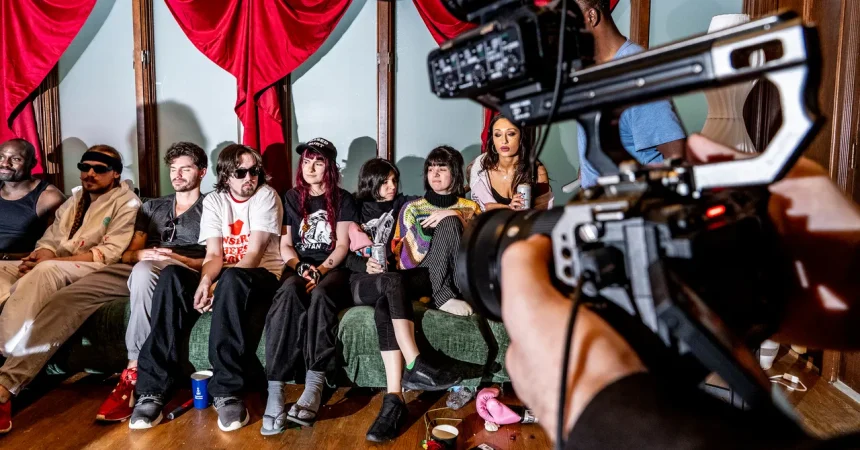
The power dynamic between the producers and the cast is absolute, and their manipulation is as precise as it is cruel. Take Landon, a young janitor from Wisconsin who serves as the primary target for their psychological gaming. The team uses technology—including AI-generated lyrics—to steer the cast members into increasingly uncomfortable situations. When Landon suffered through a humiliating, physically brutal boxing match, the producers didn’t offer a reprieve. Instead, they double down on the emotional fallout, orchestrating further torment. If a cast member expresses vulnerability or regret, the producers view it not as a signal to provide support, but as a golden creative opportunity to deepen the cycle of degradation for the sake of the audience’s entertainment.
The interaction with the audience is the lifeblood of this enterprise, and it comes with no moral guardrails. Margera recounts stories of regretful fans who spend thousands of dollars to blast abusive messages into the house, only to wake up later in a state of buyers’ remorse. There is no sympathy offered to these fans, either. If a donor regrets dropping $5,000 on a binge-drinking spree to berate a stranger, the producers simply laugh and keep the money. The transactional nature of the show turns human misery into a commodity, where the emotions of the cast are literally paid for by viewers who treat them like characters in an interactive, high-stakes puppet show.
This dynamic reaches a peak when the producers decide to deliberately manipulate Landon’s path, refusing to let him find peace. After a night of drunken vulnerability where he unsuccessfully begged a fellow cast member for a kiss, the producers debate his fate. While viewers in the chat might feel sudden, fleeting moments of empathy for him, the producers are cold. They intentionally choose to gaslight him, telling him his crush is just “playing hard to get,” ensuring he continues to chase a hollow goal that they have already decided he will never achieve. It is a calculated, cold-blooded effort to keep the narrative trending toward more distress and more desperation.
Ultimately, the story of this control room is a reflection of a culture that has replaced genuine connection with voyeuristic obsession. By creating a feedback loop where the cast is being manipulated, the audience is paying to watch the fallout, and the producers are martyring themselves on the very floors they sleep on, the experiment effectively creates a self-sustaining nightmare. There is no off-switch because everyone—from the janitor on the couch to the producer on the floor—is tethered by the belief that their suffering is worth it. It is a bleak, modern portrait of human interaction where the only thing that matters is that the drama remains relentless, regardless of the personal cost to the people trapped inside the frame.