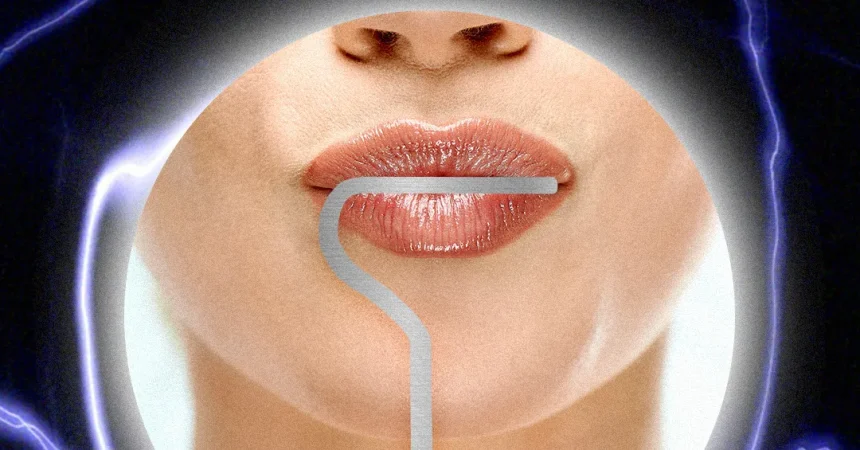
The world of wellness is constantly evolving, shifting from traditional gym-based fitness to a more niche, often confusing landscape of “intentional” living. In recent months, if you’ve been scrolling through Instagram or TikTok, you may have encountered influencers like Sandra Fernandes, a self-proclaimed “detox coach.” In a viral November 2025 post, Fernandes introduces her followers to a peculiar, hooked metal straw, presenting it not as a simple drinking utensil, but as a “frequency straw.” With a confidence typically reserved for multi-level marketing pitches, she demonstrates a “test” using a basic EMF detector, claiming that the mere presence of the straw neutralizes electromagnetic signals. It is a classic social media sales tactic: identify a vague anxiety, position yourself as a trusted authority, and offer a shiny, overpriced solution that promises “protection” with every sip.
These EMF straws are just the latest entry in an expanding marketplace of pseudoscience that caters to the health-conscious yet misinformed. Influencers describe these devices as being infused with “harmonic frequencies” tailored to organ systems, promising everything from improved gut health to restored energy. Interestingly, the design of these straws isn’t even original; a few years ago, similar-looking products made the rounds on social media under the false pretense of preventing mouth wrinkles. By rebranding an old aesthetic gimmick as a cutting-edge scientific breakthrough, these creators exploit the wellness community’s desire for “holistic” healing—a term that is increasingly used more as a marketing buzzword than a genuine medical philosophy.
The danger lies in how quickly these ideas move from the fringes of the internet to mainstream culture. The industry currently includes an array of items—stickers for phones, specialized clothing, and even “magical amulets”—that claim to shield the body from the invisible signals of daily life. This isn’t just happening in private Facebook groups; it is being validated by professional athletes in the NHL and UFC, and amplified by popular public figures who command millions of followers. With Google search interest in “EMF radiation protection” skyrocketing by over 1,300 percent in the last year, it is clear that fear is a powerful driver for consumer behavior, pushing people to spend hundreds of dollars on products that offer nothing more than a sense of placebo-driven comfort.
However, behind the polished aesthetics of these influencers, there is no peer-reviewed science to back up these claims. The Federal Trade Commission has been fighting these narratives for years, clearly stating that there is no credible evidence that these “shields” or “harmonizers” actually reduce exposure to radiation. Past investigations, including those by the BBC, have tested similar radiation-blocking stickers and found them to be completely ineffective. These devices are essentially modern-day snake oil, designed to look sophisticated while operating on the principles of superstition rather than physics. The lack of response from the influencers promoting these products—despite repeated requests for evidence—speaks volumes about the transparency of this lucrative “wellness” trend.
To understand why this panic persists, we have to acknowledge the grain of truth from which it grows. Science does confirm that certain types of high-frequency radiation, such as X-rays or the UV rays from tanning booths, can indeed cause cellular damage that may lead to cancer. Because this is true, it is easy for consumers to conflate those high-energy sources with the non-ionizing, low-frequency electromagnetic radiation emitted by our cell phones, microwaves, and Wi-Fi routers. The confusion is understandable, but that doesn’t make the fear—or the expensive “cures”—justified. Experts point out that decades of research have consistently failed to link our daily exposure to non-ionizing EMFs with any significant long-term health risks.
Ultimately, the rise of the “EMF straw” is a lesson on the vulnerability of the modern consumer. We are living in an era where technology surrounds us, and it is natural to feel a bit apprehensive about the invisible forces we cannot see or manage. But instead of turning to influencers who prioritize commission checks over clinical integrity, we should rely on established scientific consensus. We don’t need a frequency-attuned straw to keep us safe because, in reality, our daily interactions with modern tech aren’t the looming health crisis these creators want us to believe they are. The only thing these straws are truly “protecting” is the bank account of the person selling them to you.