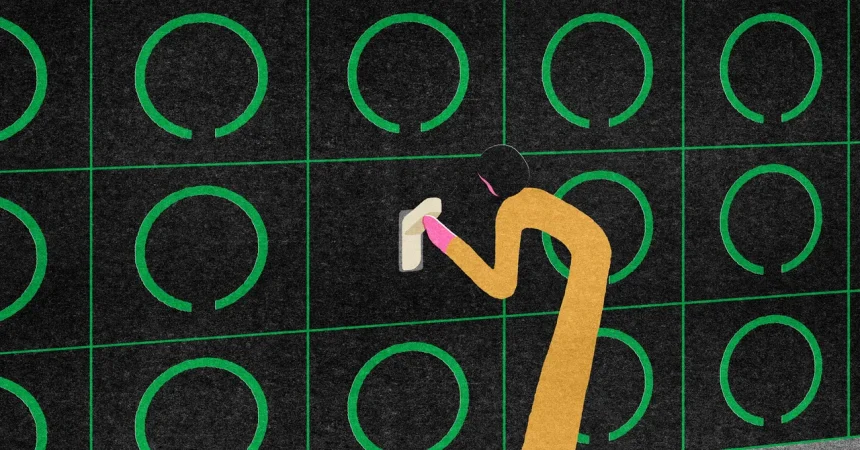
The rapid encroachment of “smart” technology into our homes often feels less like an upgrade and more like a heavy burden. For those of us who remember the analog era with nostalgia, there is a distinct anxiety in watching our domestic spaces become testing grounds for experimental tech. We aren’t just worried about the inevitable software glitches or the looming threat of hackers; there is a visceral, almost existential dread associated with inviting unproven intelligence into our most private sanctuary. Much like the stubborn holdouts who refused to trade their mixtapes for CDs, there is a rational hesitation to embrace a future that promises convenience but delivers constant, low-level technical maintenance.
Professional designers are beginning to voice the same exhaustion. Rafe Churchill, a seasoned veteran in the industry, has spent decades installing high-end home systems only to collect a growing list of grievances. He notes that these “smart” setups frequently leave clients feeling trapped by equipment that becomes obsolete almost the moment it is installed. The allure of the high-tech home often gives way to the resentment of a second owner who inherits a labyrinth of finicky, glowing touchscreens that no longer function as intended. If the professionals who build these spaces are finding the technology to be more frustrating than functional, it stands to reason that the average homeowner is being sold a bill of goods.
The kitchen, traditionally the heart of the home, has become the epicenter of this technological madness. We are now being pressured to accept AI-embedded refrigerators that take “shelfies” of our groceries and ovens that attempt to “recognize” our dinner. While a machine claiming it knows how to perfectly brown bread might sound like a futuristic dream to a marketing department, it feels like an insult to anyone who possesses a pair of eyes or a nose. Do we really need an app to tell us our milk has soured, or a computer to oversee the searing of a roast? Beyond the annoyance of useless data, there is a darker, more catastrophic fear: the prospect of a glitchy, automated oven that refuses to turn off, turning our favorite room into a hazard instead of a gathering place.
This encroachment of high-tech hardware also threatens the very soul of home design. A kitchen should feel like a cozy, inviting space for family and friends—not the command center of a space station or a sterile laboratory. We are seeing bathrooms turned into complex, temperamental puzzles where even a simple shower requires a master’s degree or a tutorial from a guest to operate. When the basic act of rinsing off becomes a stressful, “Silkwood-style” accident, we have officially reached a point of technological overkill. The aesthetic of a warm, human home is being compromised by the cold, metallic imposition of software that wants to run the show.
Interestingly, there is a growing trend among luxury designers to pivot back toward simplicity, recognizing that true comfort is found in things you can touch. Manual control has become the ultimate status symbol, precisely because it is reliable. There is a primal satisfaction in manually turning a metal faucet or hearing the satisfying, physical “clunk” of a deadbolt sliding into place. These tactile actions provide a sense of security and intimacy that an app or a voice command simply cannot replicate. Security, in our modern world, shouldn’t be about waiting for a software patch; it should be about the certainty of a well-oiled mechanical lock.
Ultimately, automation is not the seamless, romantic partner the industry wants us to believe it is. Instead, it is an over-engineered layer of complexity that distances us from the rhythms of our own lives. From lighting systems that turn hallways into neon-lit dance floors to floors that track our footsteps, the “smart” home often feels like it is trying far too hard to be impressive while failing to be practical. As we move forward, many of us are deciding that we would prefer our homes to be places where we can play games, share a meal, and rest—not places that require us to troubleshoot a podcast-studio level of firmware. Sometimes, the most advanced thing you can do for your home is leave the technology at the front door.