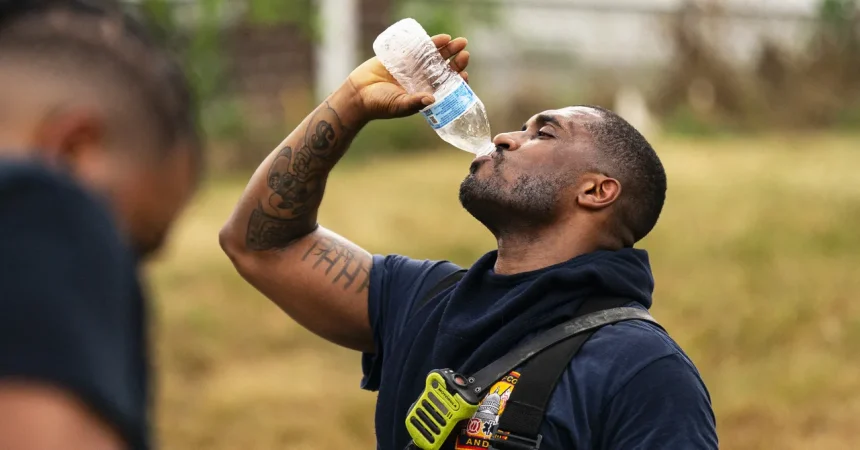
As the July 4th holiday approaches, New York City finds itself caught between the excitement of summer festivities and a grave, invisible threat. Weather forecasters are predicting a brutal heat wave, with temperatures projected to climb toward the triple digits. With a heat index potentially hitting 110 degrees, the city is bracing for conditions that are not just uncomfortable, but actively dangerous. Mayor Zohran Mamdani has sounded the alarm, acknowledging that this isn’t just a localized problem—it’s an environment that will touch every life in the five boroughs, pushing the limits of the city’s infrastructure and the endurance of its people.
This isn’t the first time the city has had to act this year; in fact, the record-breaking nature of this season’s heat has forced the administration to trigger emergency protocols at the earliest date in recorded history. New York is far from alone in this struggle, as cities across the nation are increasingly forced to treat heat waves with the same level of urgency as hurricanes or blizzards. This shift reflects a sobering reality: as our planet warms, extreme heat is transforming from a seasonal annoyance into a persistent public health emergency that demands proactive, life-saving intervention.
To combat the impending swelter, the city has mobilized a massive network of over 650 cooling stations—transforming libraries, community centers, and even retail spaces into sanctuaries of air-conditioned relief. The logistical effort is sprawling and creative, utilizing everything from converted government buildings to intuitive technology. New LinkNYC digital kiosks are being deployed to act as “wayfinders,” guiding vulnerable residents to the closest cooling centers in real time. Meanwhile, a fleet of cooling vans will patrol the streets, providing a lifeline of water, electrolyte supplements, and medical wellness checks to those who might otherwise be unable to reach help on their own.
One of the most compassionate facets of the city’s response is its focus on those who are most at risk: the unhoused. By temporarily suspending rigid shelter intake procedures, the city is removing bureaucratic barriers that too often keep people from seeking safety during weather emergencies. Simultaneously, there is a call for civic responsibility among businesses and residents alike. By adjusting thermostats to the recommended 78 degrees, the city hopes to prevent the strain that massive residential cooling demand places on the power grid, aiming to keep the lights—and the air conditioning—running for everyone during this critical window.
The urgency is mirrored in other major cities like Philadelphia, which faces the unique challenge of hosting high-profile World Cup events. Despite the excitement of the games, the city is forced to make difficult concessions, shifting fan festivals to the cooler evening hours and setting up medical tents to mitigate the risks for crowds gathered in the heat. It is a striking reminder that even in the midst of celebration, the physical environment dictates our choices. As temperatures climb, the primary goal shifts from entertainment to basic survival, turning stadiums and fan zones into areas of constant monitoring and rapid response.
Ultimately, the goal of these measures is to beat the sobering statistics that show a sharp rise in heat-related fatalities over the last twenty years. Doctors on the front lines, such as Dr. Erik Blutinger at Mount Sinai Queens, are preparing for an influx of patients, stocking up on supplies to manage everything from heat exhaustion to severe heatstroke. The message from the medical community is clear: awareness is the best armor. By learning the early warning signs of heat illness and checking on our neighbors, we can ensure that this holiday weekend is defined by our community’s resilience rather than a preventable tragedy.