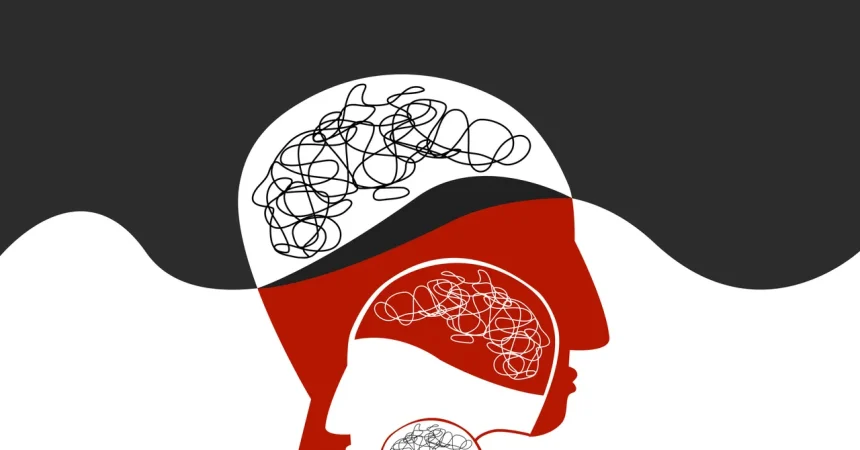
Schizophrenia remains one of the most profound puzzles in modern medicine, a condition that has long defied the simple, linear explanations we use for many other diseases. Unlike conditions caused by a single, identifiable mutation, schizophrenia is a tapestry woven from hundreds of tiny genetic variations. Each one carries only a minor influence on its own, but together, they subtly alter the architecture of the brain, affecting how neurons grow, communicate, and organize themselves into complex networks. For those living with the condition and the families who support them, the lack of a clear “smoking gun” has often made the disorder feel frustratingly elusive and impossible to pin down.
To truly grasp why this disorder takes root, scientists have had to move beyond the traditional hunt for a single culprit. The reality is far more intricate: it is about the “conversation” between genes and the biological networks they form. By employing sophisticated AI-driven computational models, researchers are finally beginning to map how thousands of genes act in concert within the human brain. This shift toward systems biology—looking at the forest instead of just the individual trees—is proving essential for understanding how these small, disparate genetic risks can amplify into the complex reality of a psychiatric disorder.
A landmark study recently published in Nature Genetics marks a major turning point in this effort, offering the most comprehensive map of the schizophrenia genome to date. By analyzing an immense dataset, the research team identified 766 genes linked to the disorder, a significant leap forward that includes 641 genes never before associated with the condition. By focusing on long-range regulatory signals, the study proves that these genes are not working in isolation. They function like an interconnected grid, constantly influencing one another’s output. This discovery validates the long-held suspicion that schizophrenia isn’t a “broken” part, but rather a disruption in the orchestration of a massive biological neighborhood.
The researchers use a powerful analogy to explain this shift: imagine trying to understand a city at night when you can only see a few isolated streetlights. For years, science could only catch glimpses of the “lit houses,” but this new study has effectively turned the lights on for the entire neighborhood. We can now see the breadth of the genetic landscape, observing how these variants coordinate to shift the brain’s delicate balance. By laying this foundational map, scientists are finally moving away from guesswork and toward a future where we can investigate the biological “why” behind the disease with much greater precision and potential for targeted intervention.
This achievement was only possible through a massive, global collaboration. The study synthesized data from over 102,000 individuals, combined with detailed brain tissue analysis from hundreds of donors across six different regions of the brain. Experts from the Lieber Institute, the University of Bari, and numerous psychiatric centers worldwide pooled their resources to create this roadmap. It is a testament to the fact that, just as the genes work in a network, our scientific community must also work as a collective network to solve a problem as pervasive as schizophrenia, which currently affects roughly 23 million people worldwide.
Ultimately, this research serves as a bridge between the biological complexities of our DNA and the human experience of the disease. Schizophrenia often manifests as a distorted perception of reality, marked by hallucinations, memory struggles, and profound social isolation. Because the symptoms are so diverse, it has always been clear that no single “schizophrenia gene” could explain the clinical reality. By embracing the complexity of this vast, interacting genetic network, scientists are now honoring the lived experience of patients. We are finally entering an era where we can move past the mystery and toward a deeper, science-backed empathy, potentially unlocking new, more effective ways to support the millions of people who navigate this reality every day.