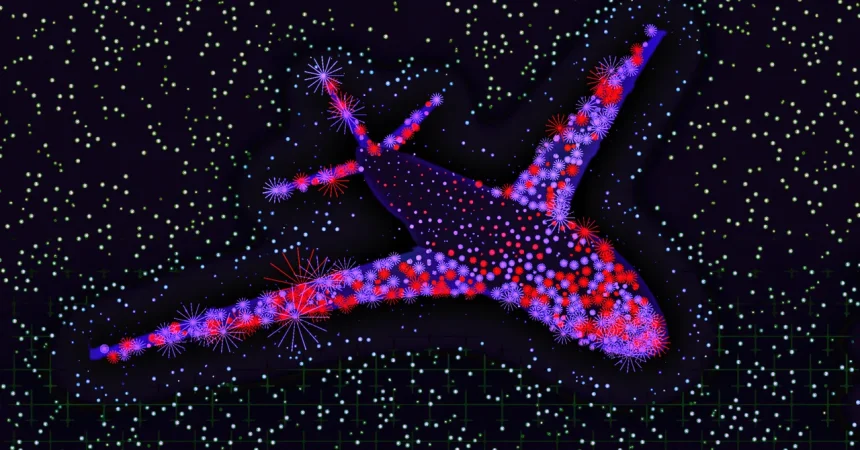
The rapid proliferation of drone warfare has fundamentally recalibrated the risks associated with global aviation, extending the shadow of modern combat far beyond traditional demarcations. Historically, the hazards of conflict were confined to specific geofenced theaters—battlefronts where air superiority was contested and conventional militaries vied for dominance. Today, however, the democratization of drone technology, ranging from sophisticated state-sponsored combat systems to mass-produced, inexpensive commercial quadcopters, has blurred these lines. We have entered an era where the sky is no longer a strictly governed highway for civilian transit, but an increasingly cluttered, volatile medium where the unpredictable nature of drone proliferation threatens the safety of non-combatant aircraft operating in proximity to volatile regions.
This shift is anchored in the sheer technological vulnerability of the current aerospace infrastructure. Civilian airliners, designed to operate in controlled environments governed by predictable patterns and sophisticated communication protocols, are ill-equipped to detect or navigate around the erratic flight profiles of drones. While commercial aircraft benefit from robust collision-avoidance systems like TCAS (Traffic Collision Avoidance System), these are designed to identify other aircraft with transponders—not autonomous or remotely piloted drones that operate in the sub-radar threshold. This creates a terrifying “blind spot” in international skies, where a stray drone, whether used for surveillance, sabotage, or simple reckless operation, could be drawn into a catastrophic collision with a plane carrying hundreds of passengers.
Furthermore, the geopolitical implications are profound, as drone warfare allows state and non-state actors to project influence and cause disruption without the high barrier to entry of a conventional air force. We have seen instances where drones are used as tools of asymmetric warfare, buzzing through corridors used by international flights to force diversions, generate panic, or conduct acts of electronic warfare. The ripple effect of these incidents is felt in airline boardrooms and government offices worldwide. When airspace becomes compromised by hostile or unidentified aerial threats, air corridors are closed, flight paths are radically diverted, and the cost of insurance and operational security skyrockets, effectively allowing small drone operators to hold the stability of global transit hostage.
The human element of this crisis cannot be overstated; it fundamentally alters the psychological experience of professional flight. For commercial pilots, the sudden encroachment of unidentified drone activity signifies a loss of the predictability upon which their safety protocols depend. This is not just about the fear of a kinetic strike, but the cognitive burden of navigating a sky that is transitioning from a regulated space to a contested one. The mental transition required to move from monitoring weather and air traffic control chatter to constantly scanning for potential weaponized drones adds a layer of stress that persists long after the landing gear is retracted. The skies, once a symbol of human ingenuity and freedom, are increasingly viewed through a lens of potential ambush.
Addressing this challenge requires a global overhaul of how we manage, track, and mitigate unmanned aerial vehicles (UAVs) in shared airspace. Incremental policy changes or localized “no-fly” zones are no longer sufficient to secure the increasingly crowded sky. We require a standardized, global approach to “Counter-UAS” (Unmanned Aerial Systems) technology that integrates civilian aviation databases with military-grade monitoring capabilities. This integration presents its own set of dilemmas, including the privatization of airspace surveillance and the sensitive exchange of intelligence between states. Yet, without a unified strategy, the current status quo remains a ticking clock, leaving millions of travelers to bear the risk of our inability to regulate the invisible front lines that define modern conflict.
Ultimately, we are forced to reconcile with the reality that the technologies designed to revolutionize logistics and surveillance have simultaneously turned our common skies into a landscape of tactical uncertainty. Our aviation infrastructure was built for a world of clear distinctions between war and peace, but contemporary drone warfare has eroded those boundaries to the point of irrelevance. As we look toward the future of travel, our priority must shift from simply managing congestion to managing the inherent hostilities represented by the democratization of the air. Protecting the passenger requires acknowledging that the threat is no longer distant; it is in the air around us, and until we secure our skies from the indiscriminate reach of the drone, the danger will remain a permanent feature of our flight paths.