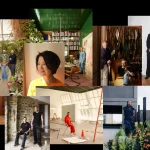
The concept of home has undergone a quiet but profound metamorphosis. If you look back just a few decades, our living spaces were defined by static decor, mechanical appliances, and the simple expectation that our front doors provided an impenetrable barrier against the outside world. Today, as we navigate the landscape of 2026, those boundaries have blurred. Our homes are no longer just shelters; they are evolving, responsive ecosystems that must grapple with a rapidly shifting global environment. Recognizing the complexity of this transformation, Architectural Digest and WIRED have joined forces to explore how the intersection of human desire and technological necessity will redefine the very meaning of “home” for generations to come.
At the heart of this collaborative effort is a fundamental inquiry: what do we truly need from our living spaces in a time of unprecedented uncertainty? While Architectural Digest has long championed the home as a sanctuary of beauty and comfort, the modern reality is far more intricate. We are no longer just debating aesthetic choices like paint colors or floor plans; we are wrestling with the existential weight of climate change, volatile material costs, and the rapid integration of artificial intelligence. By merging the design-forward sensibility of AD with the tech-focused, critical lens of WIRED, this partnership aims to provide a roadmap for homeowners who want their spaces to be both beautiful and functional in an increasingly complex world.
Technology acts as both the promise and the paradox of the modern home. While the industry has long teased the idea of the “smart home”—a seamless environment that anticipates our every whim before we even cross the threshold—the reality remains a work in progress. For WIRED, the focus isn’t on whether your home will become intelligent; it’s a foregone conclusion that technology will be woven into the fabric of our walls and appliances. The true challenge lies in discerning where that technology actually adds value versus where it becomes a burden. The goal is to move past the gimmicks and toward an era where our homes provide meaningful, life-enhancing assistance that operates in the background, rather than demanding constant updates and troubleshooting.
Simultaneously, the climate crisis has shifted the dialogue from “resilient design” as a niche architectural trend to an absolute necessity. We are seeing a fascinating juxtaposition between high-tech futuristic builds and a return to ancestral wisdom. For instance, architects like Tom Kundig are creating stunning, elevated structures designed specifically to withstand rising sea levels and flooding, proving that survival and aesthetics do not have to be mutually exclusive. Yet, across the globe, there is a refreshing shift back to basics—designers are increasingly turning to sustainable, local materials like compressed earth, bamboo, and fire-resistant timber. It turns out that the future of home, in many ways, lies in relearning the building techniques that worked for centuries before our obsession with industrial materials.
Perhaps the most human element of this shift is how we design for the different stages of our lives. As life expectancies rise, the concept of “aging in place” has evolved from simple accessibility ramps to sophisticated, sometimes controversial, monitoring systems. The challenge here is deeply personal: how do we use technology to care for those we love without sacrificing their dignity or autonomy? The struggle to balance necessary medical oversight—like using microphones to monitor an aging parent—with the need for genuine human connection highlights the “loneliness gap” that technology attempts, however imperfectly, to address. It is a reminder that even the most high-tech, automated home must ultimately serve the fragile, emotional needs of the people living inside it.
Ultimately, these stories serve as a mirror reflecting who we are and what we value. Whether it is a countercultural icon building an eco-conscious home for his later years or families navigating the implications of “always-on” smart sensors, the lesson is clear: the future of home is not just about the gadgets we install or the sustainable materials we source. It is about creating a space that holds us when the world outside feels volatile. By examining these intersections of design, technology, and humanity, Architectural Digest and WIRED invite us to stop seeing our homes as static assets and start viewing them as living, breathing partners in our collective future.