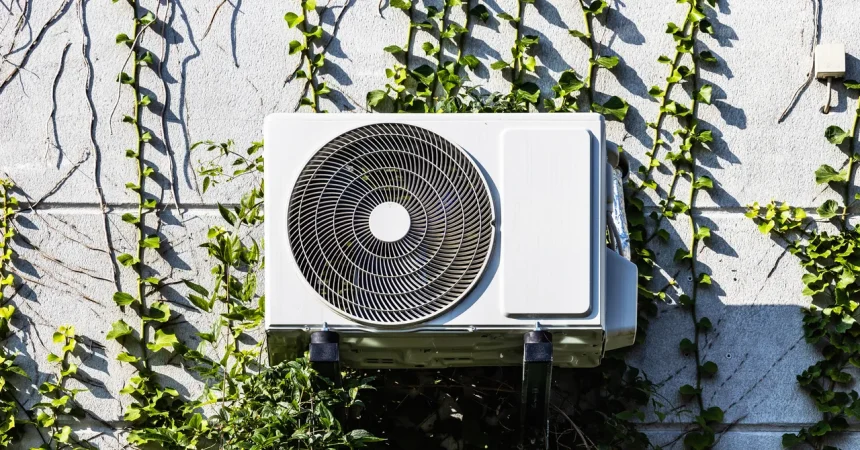
The conversation surrounding home upgrades is shifting, and heat pumps are increasingly at the center of it. For many homeowners, the appeal goes far beyond simple temperature control. Stepping away from gas or oil furnaces—which carry the inherent risks of carbon monoxide leaks and the persistent worry of combustion byproducts—is a massive draw for modern families. While heat pumps often carry a higher upfront price tag compared to traditional systems, their long-term value is undeniable. Operating two to four times more efficiently than standard furnaces, they represent a smarter, safer way to manage a home’s climate, effectively future-proofing a property against both rising energy costs and the environmental toll of fossil fuels.
Recent data confirms that this shift in consumer preference isn’t just a trend; it is genuinely influencing the real estate market. A collaborative report involving the Smart Energy Consumer Collaborative, the real estate data experts at 257, and the National Association of Realtors has quantified exactly what many suspected: homes with heat pumps are catching the eye of discerning buyers. By analyzing over half a million residential sales between 2024 and 2025, researchers found that transparency pays off. Simply mentioning a heat pump in a property listing can act as a financial catalyst, helping sellers recoup a significant portion of their initial investment the moment they put a “For Sale” sign in the yard.
At the heart of the matter is the classic homeowner dilemma: “Will I get this money back?” As Scott Rosenberg, CEO of 257, notes, people rarely undertake a kitchen remodel or a bathroom renovation without weighing the return on investment. The study suggests that heat pumps now hold a similar weight in the eyes of prospective buyers. When comparing nearly identical homes, those that advertised a heat pump consistently saw a sales price increase of 0.6% to 1%. While a few thousand dollars might seem like a modest lift on a $399,000 median home price, it represents a meaningful financial win—often covering 15% to 25% of the system’s initial installation cost before the buyer has even moved in.
The beauty of this research lies in its rigorous approach to overcoming the “variable-heavy” nature of real estate. Real estate is rarely an apples-to-apples comparison; neighborhood vibes, floor plans, and scenic views often muddy the data. However, by employing advanced machine learning to cluster thousands of homes with similar attributes, Rosenberg’s team successfully isolated the specific impact of the heat pump itself. By stripping away extraneous noise, the data confirms that buyers are not just paying for the house—they are actively seeking out the efficiency and modern technology that a high-quality, all-electric heating and cooling system promises.
This finding has been met with enthusiasm from the academic community, including experts like University of Maryland economics professor Yueming “Lucy” Qiu. Having previously explored this topic on a smaller scale, Qiu views this comprehensive report as a vital step in helping homeowners understand the real-world value of green transitions. It validates what many in the field have been arguing for years: energy-efficient upgrades are no longer just “nice-to-haves” or charity to the planet; they are tangible assets. As more buyers become educated on the cost-saving potential of these systems, the premium associated with them is likely to become an established, expected feature of the housing market.
Ultimately, we are entering a new era of home ownership where the machinery behind the walls is just as important as the aesthetics of the rooms themselves. While the initial investment in a heat pump can be daunting compared to the cheaper entry point of a gas-powered furnace, the data suggests that the market is beginning to reward those who prioritize efficiency. By choosing a system that prioritizes safety, indoor air quality, and long-term utility savings, sellers aren’t just selling a house; they are offering a better, more sustainable way to live. For anyone considering their next home improvement, it is clear that swapping out the old for the new is a bet that is finally starting to pay off.