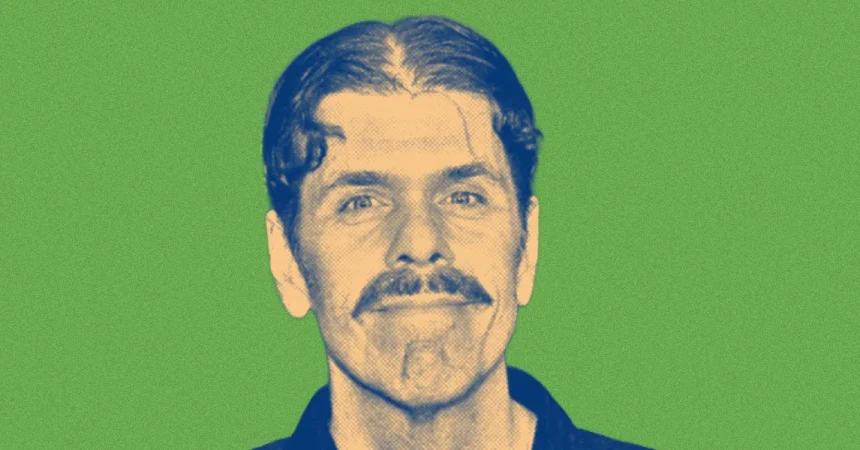
The recent hospitalization of Mario Lavandeira Jr., widely known as the gossip blogger Perez Hilton, has ignited a sobering conversation about the intersection of digital visibility, mental health, and platform accountability. On a Tuesday night, what began as a routine interaction on TikTok descended into a terrifying crisis when Lavandeira appeared on a livestream appearing disoriented, physically exposed, and covered in a crimson substance that resembled blood while holding a knife. For the thousands of viewers watching in real-time, the experience was profoundly traumatic, as they witnessed a public figure in the throes of what appeared to be an acute mental health emergency. The incident quickly transcended the boundaries of celebrity gossip, evolving into a widespread alert as frantic viewers reached out to local law enforcement, desperate to secure help for a man clearly struggling in plain sight.
This disturbing episode inevitably turned the spotlight toward TikTok, specifically its inability to prevent such graphic content from reaching an audience. While the platform utilizes a sophisticated mix of artificial intelligence and human oversight to filter prohibited material—such as acts of self-harm or violence—the system faltered significantly during this broadcast. TikTok’s representative, Jamie Favazza, later acknowledged that while their automated systems did flag the stream shortly after it began, a “moderator error” prevented the platform from acting decisively. This admission of failure leaves a lingering sense of unease; when a platform’s internal “safety net” experiences a technical or human-led lapse, the consequences are not merely corporate grievances—they are human lives left vulnerable to a digital audience that was never equipped to handle such a crisis.
The logistical reality of the night saw the Miami-Dade County Sheriff’s Office mobilizing a crisis response unit and mental health professionals to Lavandeira’s home after receiving an influx of reports from concerned users. The speed with which the public intervened speaks to a growing awareness and collective responsibility among social media users, who are increasingly acting as the front line for safety when digital gatekeepers fail. By the time authorities arrived, the damage had been done, and the event had already been etched into the digital consciousness of thousands. While the sheriff’s office confirmed the identity of the individual, the focus remained on the necessity of intervention, highlighting how social media platforms have become unintended, high-stakes venues for mental health crises that require rapid, professional, and human-centric responses.
In the aftermath, the scrutiny surrounding TikTok’s moderation efficacy has intensified, especially given the company’s strict guidelines that expressly prohibit content depicting self-harm or graphic violence. Despite their stated commitment to a “combination” of automated and human monitoring, this incident is far from an isolated case. History shows a pattern of high-profile failures across social media landscapes, from the tragic 2020 case of a young man livestreaming his death on TikTok to the viral circulation of Ronnie McNutt’s final moments on Facebook Live. These recurring nightmares underscore the immense difficulty, and perhaps the impossibility, of fully policing live, unscripted content. Critics argue that as long as these platforms prioritize engagement metrics and continuous stream availability, they will continue to provide a dangerous stage for those experiencing a mental health breakdown.
Though TikTok disputed the duration of the livestream—claiming it lasted roughly half the time speculated by onlookers—the difference of a few minutes is negligible when the subject matter involves someone in immediate danger. The platform’s defense regarding “moderator error” rings hollow to those who believe that the sheer scale of these platforms makes safe moderation an elusive goal. As TikTok undergoes shifts in its ownership structure and data security oversight, questions regarding how they manage the human element of their moderation process remain vital. It is clear that the current infrastructure, despite its algorithmic complexity, is still failing to provide the level of protection that users—and the public at large—rightfully expect from a global communication network.
Ultimately, the most important takeaway from this incident is the need to strip away the “gossip” label and focus on the human reality: a person was in crisis, and the tools designed to keep the internet safe were insufficient. Lavandeira’s management team has since requested privacy, directing the focus toward his recovery rather than the internal failings of a tech giant. Their statement serves as a quiet reminder that behind every viral clip, notification, and moderation error, there is a person deserving of compassion, care, and a path toward healing. While the incident will likely fuel debates about platform responsibility for years to come, we must ensure that the conversation does not lose sight of the most basic imperative: when someone is struggling, the priority must always be human intervention, safety, and support above all else.
If you or someone you know is struggling with thoughts of self-harm or suicide, help is available. You can call or text the Suicide and Crisis Lifeline at 988 in the United States and Canada, or contact your local emergency services for immediate support.