Paragraph 1: The Stage and the Hype
In the dazzling, chaotic expanse of New York Comic Con, where thousands of fans converge in a vibrant tapestry of cosplay, banners, and electric excitement, a moment of profound anticipation unfolded. The air was thick with the smell of popcorn, the murmur of a thousand conversations, and the undeniable buzz of a franchise that has terrified and fascinated audiences for seven decades. Into this cacophony stepped Seth Green, an actor whose comedic genius has tickled our funny bones for decades, yet whose heart belongs to the geeky, glorious spectacle of giant monsters. Green, introducing the official panel for Godzilla Minus Zero, the 39th film in Toho’s iconic monster universe, stood before a sea of eager faces. He wasn’t just reciting PR lines; he was channeling the voice of a devoted fan who had grown up watching rubber-suited behemoths stomp through miniature cityscapes. With a smile that faded into earnest gravity, Green recounted his experience watching the film, describing it not as a mere movie but as a sensory assault. He praised the team behind it, insisting that they had managed to bridge the impossible gap between the cartoonish and the catastrophic. “They have created kaiju that feel physically real,” he said, his voice resonating through the hall, “and, trust me, emotionally terrifying.” Those words hung in the air, transforming the expectant crowd into a collective of wide-eyed believers. For this franchise, which has evolved from atomic-age anxiety metaphors to pop-culture juggernauts, the promise of genuine, visceral terror is the ultimate holy grail. Green’s impassioned introduction set the stage for a deep dive into the filmmaking process, a process that would reveal exactly how they brought these monsters to life—and why their roars would send shivers down even the most jaded moviegoer’s spine.
Paragraph 2: Visual Terror and Emotional Weight
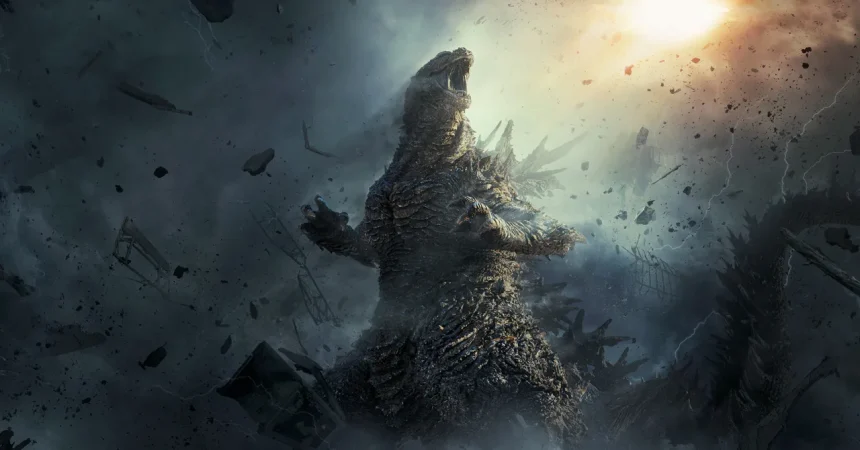
At the heart of Godzilla Minus Zero‘s terrifying realism lies the masterful work of Oscar-winning visual effects artist Tatsuji Nojima. Nojima, a veteran of the industry, has spent his career perfecting the art of making the impossible look tangible, and in this new entry, he has outdone himself. Where past iterations might have relied on CGI that occasionally feels weightless, Nojima and his team have gone to painstaking lengths to imbue the kaiju with a palpable gravitational presence. Every scale, every muscle twitch, every shadow that falls across their colossal forms has been meticulously crafted to trick the human eye into accepting their existence. As Seth Green pointed out, the emotional terror derives directly from this physical authenticity. When Godzilla rises from the depths, its silhouette blotting out the sun, the audience doesn’t see a digital construct; they see a force of nature, a walking extinction event. The same can be said of the film’s central antagonist, King Ghidorah, a three-headed dragon of mythic proportions. Nojima’s work ensures that Ghidorah’s sheer menace isn’t just skin-deep; it’s woven into the very kinematics of the beast. The way its necks coil, the weight behind each wing stroke, the feral intelligence in its serpentine eyes—all of this contributes to a cinematic experience that roots its fantasy in a brutal, unyielding physics. This grounding is crucial because it allows the audience to feel the stakes. The monsters aren’t just fighting each other; they are reshaping the landscape, destroying cities, and, more importantly, trampling the fragile human emotions of the characters caught beneath their feet. The visual authenticity acts as a bridge, allowing us to project our own anxieties onto these creatures, transforming them from simple beasts into mirrors of our deepest fears of annihilation and helplessness.
Paragraph 3: The Sound of Chaos – The Dam
While the visuals provided the terrifying canvas, it was the auditory landscape that truly painted the roars into our nightmares. Sound designer Natsuko Inoue, alongside her team, faced a monumental challenge: how to give voice to creatures that have no earthly reference point. Their solution, as revealed during the NYCC panel, was as ingenious as it was chaotic. Inoue and her team loaded massive speakers onto the top of an outdoor dam, a location chosen for its natural acoustics and breathtaking reverb. The idea was to blast the newfound roars into the open air, capturing the natural echo, the reflection off the water, and the ambient sounds of the valley to create a soundscape that felt alive. However, the creative process collided spectacularly with the mundane reality of public spaces. As the terrifying, guttural screams of Godzilla and the cacophonous three-part shriek of Ghidorah echoed across the landscape, they disrupted the rustic serenity of the dam. Hisafumi Takeuchi, another sound professional on the project, recounted the scene with a chuckle during the panel. “There were people having a picnic, maybe people just taking a stroll,” he said, painting a vivid picture of the absurdity. But it was the dog-walker who suffered the most. “The person walking their dog, though—they had the worst time, because the dog was freaking out and barking back at us.” In that moment, the sacred space of filmmaking bled into the real world, transforming unsuspecting hikers into unintentional extras in a real-life monster movie. The dog’s frantic barking was perhaps the most honest review there could be—a visceral, instinctive reaction to a sound so primal and menacing that it shattered the peace of a sunny afternoon. This anecdote humanizes the entire process, reminding us that behind every blockbuster effect are real people dealing with real, often hilarious, consequences of their ambition.
Paragraph 4: The Science and Art of Sound
For Inoue, the initial fear that the dam experiment might fail was palpable. “The first time we sent that roar out on the speakers, I could see the relief and confidence in everyone’s eyes,” she recalled. By projecting the sound into the real world, they weren’t just recording a noise; they were giving it a soul. The process of capturing the reverb, the echo, and the sound’s reflection back into the microphone allowed the roar to manifest physically in our world. It moved through air, it bounced off rocks and water, and it returned to them enriched with the texture of reality. This is the difference between a sound effect that sits on top of a scene and one that becomes an organic part of the environment—a roar that feels like it is happening right there in the theater. But Inoue’s craft extends far beyond brute-force amplification. For the other, more delicate soundscapes of the kaiju, her team embraced a wonderfully tactile, analog foley approach. Consider Ghidorah’s massive, dragon-like wings. They didn’t just use digital wind or compressed sound bursts. Instead, they took a rubber fisherman’s suit, a piece of gear that carries its own unique, creaky, rubbery texture, and flapped it vigorously. They then mixed that strange, organic sound with the wheezing, bending noise of an accordion-like air duct. The resulting audio is a bizarre yet perfect blend of leathery skin, structural stress, and immense air displacement. It is this dedication to the physical, to the strange marriage of everyday objects and synthesized effects, that elevates Godzilla Minus Zero above a standard blockbuster. The audience may not consciously know why the wings sound so right, but their subconscious absorbs it, making the creature more credible. It is the ultimate alchemy—combining the mundane objects of human life into the supernatural voice of a titan.
Paragraph 5: The Herculean Task of the Sequel
Marshaling the creative forces for such an endeavor came with immense pressure, particularly because the film had to follow one of the most critically and commercially successful entries in the franchise’s storied history. Godzilla Minus One, the 2023 predecessor to Minus Zero, was a phenomenon, a harrowing blend of post-World War II malaise and bracing kaiju destruction that captivated global audiences. It brought home over $114 million at the worldwide box office, a massive achievement for a Japanese-language film, and it revitalized the franchise, proving that a giant lizard movie could still possess devastating emotional depth. Stepping into the shadow of such a beloved film is no small feat. However, the team behind Godzilla Minus Zero appears to have embraced the challenge wholeheartedly. During the NYCC panel, they premiered a new trailer that sent the crowd into a frenzy, promising a sequel that ups the ante in every conceivable way. The trailer showcased spectacular aerial dogfights, with military jets swirling around the colossal creatures, and hinted at a “punch-’em-up for the ages” between the iconic Godzilla and the malevolent King Ghidorah. This is not just a clash of beasts; it is a war of ideologies—the indomitable spirit of survival personified by Godzilla clashing with the apex-predator entitlement of Ghidorah. The filmmakers are clearly committed to honoring the legacy of Minus One‘s human drama while simultaneously delivering the unfiltered, adrenaline-pumping monster mayhem that fans crave. They understand that a great monster movie must balance the intimate, human-scale horror with the overwhelming, earth-shattering spectacle, and the preview promises a tightrope walk between the two that will have audiences on the edge of their seats.
Paragraph 6: The Humanization of Monsters
Ultimately, the humanization of these monstrous forces is what makes Godzilla Minus Zero so compelling. Seth Green’s giddy enthusiasm, the picnic-goers’ terror, the dog’s panicked barking—these are all reminders that the kaiju are not just CGI pixels or sound frequencies. They are vessels for collective anxiety, for primal fear, and for the sheer, unadulterated joy of cinematic escapism. As the panel concluded, the audience left with a newfound appreciation for the craft, skill, and often absurd logistics required to bring these titans to life. They know now that the next time they hear that iconic roar in a dark theater, it will have been forged in the misty acoustics of a lonely dam, shaped by flapping rubber suits, and given final polish by artists who treat sound like sculpture. The film promises not just action, but a profoundly human experience—a chance to face our own buried dread while reveling in the grand, operatic tragedy of two behemoths deciding the fate of the planet. Inoue, Takeuchi, Nojima, and Green have all contributed to a legacy that proves monsters are most frightening when they feel like they belong in our world, and most enduring when they remind us of the fragile, brave, and wonderfully silly humans watching from the safety of our seats. As the lights dim and the screen flickers to life, we will hold our breath, knowing that beneath the towering scale and apocalyptic stakes, there will be the heartbeat of a genuine story—one that makes us feel the terror, the thrill, and the enduring hope that comes from watching a new king rise.