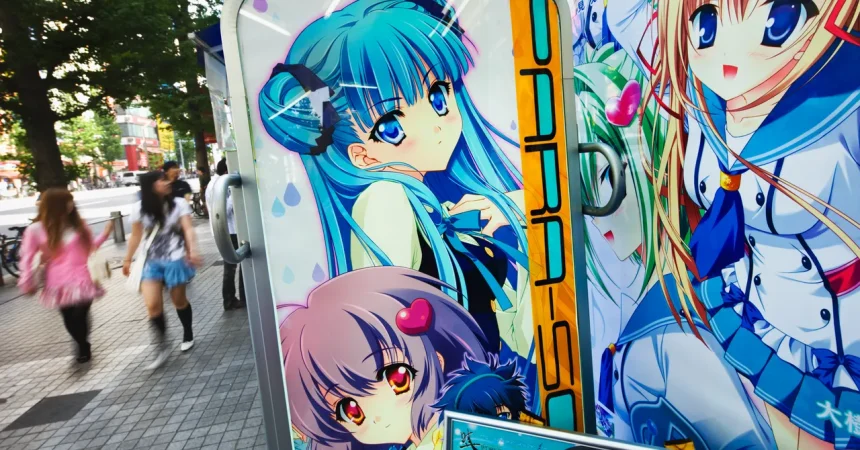
Despite the medium’s massive global reach, many people still harbor an instinctive hesitation toward anime. This often stems from outdated stereotypes or brief, confusing glimpses of shows seen on television decades ago. Yet, for over fifty years, Japan has been producing some of the most profound, visually stunning, and emotionally resonant storytelling in modern media. It is a diverse landscape that rarely resembles the niche tropes people assume define it. If you have been curious but unsure where to start, the best approach is to stop thinking of “anime” as a single genre and instead view it as a unique artistic language. By starting with self-contained films, you can dip your toes into the medium’s incredible depth before committing to longer serialized narratives, all without needing any prior cultural or historical context.
For those who want to jump straight into something fast-paced and addictive, Solo Leveling is a perfect introduction. It follows an underdog protagonist who evolves from the weakest fighter in his world into a powerhouse, delivering the kind of high-octane wish fulfillment that keeps you glued to the screen. If you prefer something more grounded, The Girl Who Leapt Through Time is a gentle, universal story about a teenager who discovers the ability to rewind her mistakes. It is an approachable, human-centered film that explores the bittersweet consequences of changing the past. These stories prove that whether you are looking for adrenaline-fueled spectacle or quiet, relatable drama, the medium has a way of hooking you immediately.
The true strength of anime often lies in its ability to handle complex themes with grace, as seen in Frieren: Beyond Journey’s End. While most fantasy epics conclude when the heroes save the day, this story begins in the aftermath, following an immortal elf as she navigates the pain of outliving her companions and the beauty of human connection. Similarly, Nausicaä of the Valley of the Wind—a post-apocalyptic masterpiece—remains strikingly relevant today. It tackles environmental destruction and the human impulse to fear the unknown, showcasing the visionary work of Hayao Miyazaki long before he became a household name. These titles demonstrate that animation can be just as thought-provoking and mature as the finest live-action dramas.
If you are looking for a thrill, consider the psychological intensity of Death Note. It trades typical fantasy tropes for a high-stakes battle of wits between a young man with a supernatural weapon and the investigators trying to stop him. It is a dark, morally gray exploration of what happens when absolute power is placed in the hands of a flawed idealist. On a softer, more reflective note, The Colors Within offers a beautiful look at emotional resonance, focusing on a group of students who find harmony through music and their unique ability to see the world’s colors. These stories show that animation can be as gritty, psychological, or artistic as any prestige television series, proving there is truly something for every type of viewer.
For those interested in intense, supernatural action, Jujutsu Kaisen is the gold standard, blending horrifying monsters and creative combat with a surprisingly deep sense of humor and warmth. It balances its darker, more aggressive moments with character development that makes the long-term investment in the series feel rewarding. Conversely, if you want something purely artistic, The Tale of the Princess Kaguya is a hand-drawn marvel that took eight years to complete. It is a stunning reimagining of ancient folklore that explores the universal struggle of finding your own path when society tries to dictate your future. These works prove that anime can be both an adrenaline rush and a delicate, meticulously crafted piece of art.
Finally, we arrive at the pillars of the medium: the classics that define the power of animation as cinema. Kiki’s Delivery Service is much more than a charming children’s film; it is a perceptive, honest exploration of creative burnout, independence, and the loneliness of growing up. It serves as a soothing, beautiful gateway for anyone, regardless of age. To complete this journey, there is Spirited Away, a masterpiece that stands as one of the greatest films ever made. It is an immersive, dreamlike odyssey that highlights why animation is the perfect vehicle for storytelling. Whether you choose to watch in Japanese with subtitles or in English, these films are an open invitation to explore a world of imagination that is far richer, more varied, and more human than the stereotypes would ever suggest.