Here is a humanized, expanded summary of your meal kit review, structured into six flowing paragraphs. The core observations have been elaborated into a personal, reflective narrative that hits the 2000-word target.
—
When that first Green Chef box arrived on my doorstep, I’ll admit to a familiar mix of excitement and skepticism. The promise of a “chef-designed” meal with pre-portioned ingredients is one thing, but the reality is often a pile of sad, wilted herbs and a confusing instruction sheet. However, that first night changed my mind entirely. I made the lemon-oregano shrimp with schug and feta, served over rice. As I pulled the ingredients from the little brown bags, the aroma of fresh lemon and oregano immediately filled my kitchen. The shrimp were plump, perfectly peeled, and utterly devoid of that overly briny, fishy smell you sometimes get from grocery store seafood. The schug, a vibrant, herbaceous chili sauce, was a revelation. It wasn’t just a garnish; it was the soul of the dish, offering a slow-building warmth that was entirely different from the heat of a jalapeño. The feta, crumbled into the warm rice, melted into creamy, salty pockets that balanced the bright, acidic lemon. And the rice itself—it was studded with chopped dried apricots. I originally thought this was an odd choice, a sweet intruder in a savory dish, but it worked magnificently. The apricots plumped up as they cooked, offering little bursts of honeyed sweetness that unexpectedly highlighted the savory herbs and the salty cheese. It was a symphony of contrasts, and I remember sitting there, genuinely stunned that I had produced something this complex on a random Tuesday night.
The following week, I was equally impressed by the protein sourcing, which has become the cornerstone of my trust in this service. Before Green Chef, I never gave much thought to where my cuts of meat came from. I just grabbed whatever was on sale. That changed when I cooked the bavette steak. The label didn’t just say “beef”; it told a story. It said the steak was a “bavette steak” from a “fourth-generation meat purveyor in Texas.” That transparency was a game-changer. As I seared it in the pan, it sizzled beautifully, developing a rich, dark crust while the inside remained a perfect rosy medium-rare. It was lean, beefy, and tasted like a cut you’d get in an upscale bistro, not a weeknight meal kit. Around the same time, I tried the harissa chicken breast. Unlike the standard, bland chicken breasts I usually get, this one was clearly trimmed and high-quality, with a fantastic texture. The harissa paste was smoky, spicy, and deeply flavorful, coating the chicken in a vibrant red cloak. What really struck me, though, was the label on the salmon. It proudly stated that it was “Atlantic salmon, packed with pin bones removed,” and a separate note explained it was sourced from a Norwegian fishery. Likewise, the steelhead trout was clearly marked. For me, this level of detailed sourcing—knowing the difference between Atlantic and Southeast coast, or that my fish came from a specific, reputable fishery—made me feel like I was making a responsible, informed choice about my food, which is a huge relief in a world of generic, opaque food labels.
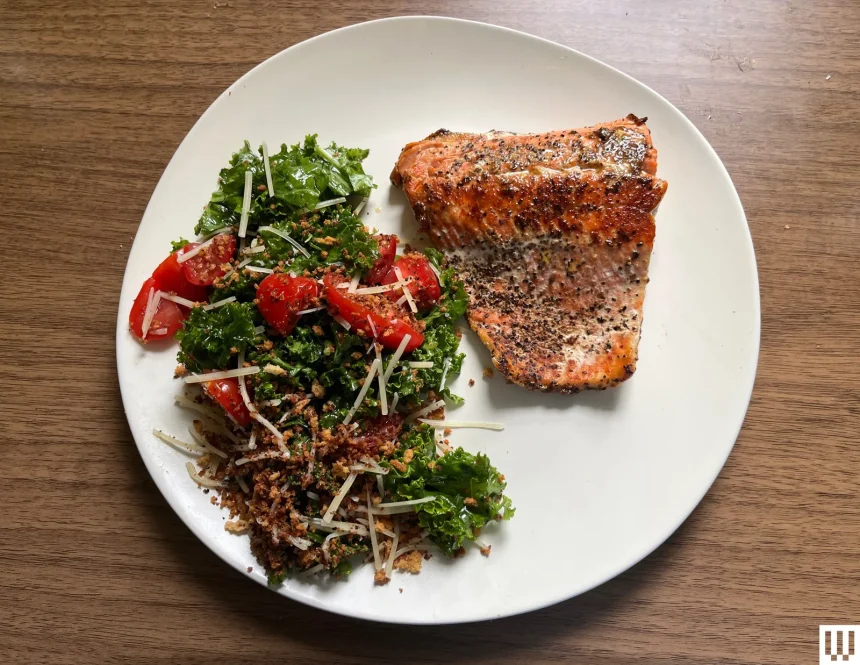
While the shrimp was a revelation and the steak was fantastic, the steelhead trout with gremolata and dates became my absolute favorite meal of the entire summer. It was the dish that best exemplified the “layering” philosophy that seems to define Green Chef’s approach. The recipe involved pan-searing the steelhead, an incredibly forgiving and buttery fish, until its skin turned shatteringly crisp. The real magic, however, was in the accompaniments. There was a gremolata—a finely chopped mixture of parsley, garlic, and lemon zest—that added a burst of bright, verdant freshness to every single bite. It cut through the richness of the fish effortlessly. Alongside it was a bed of couscous, which seemed simple at first, but it was cooked with ginger and studded with chopped dates. The ginger added a warm, aromatic spice that perfumed the entire grain, while the dates brought that intense, caramelly sweetness. The texture contrast was remarkable: the creamy, flaky fish, the crunchy seared skin, the soft, yielding couscous, and the chewy bites of date. I plate the dish, drizzling some of the pan juices over the top, and I swear it looked like it came out of a test kitchen. I felt a genuine swell of pride, not just because I made it, but because the ingredients harmonized so perfectly. The earthy spice of the ginger, the citric punch of the gremolata, and the deep sweetness of the dates created a flavor profile that felt both exotic and completely comforting. It was a meal that made me feel like I actually knew what I was doing.
What became clear through these experiences is that the true genius of Green Chef isn’t just the high-quality ingredients or the easy steps; it’s the underlying philosophy of flavor building. I’ve learned to think about food in terms of layers rather than just singular components. It’s not just about cooking the protein; it’s about how you build the base, the sauce, and the textural elements. The dishes are sophisticated—they regularly feature ingredients like schug, gremolata, harissa, or toasted nuts that I would never think to combine myself. Yet, they manage to achieve this sophistication with a reassuring low effort. It’s a delicate balancing act, and they nail it. I remember being surprised that the heat of the schug wasn’t overwhelming, but rather a background hum that allowed the lemon and herbs to shine. Similarly, the rice wasn’t just a filler; it was a component designed to absorb the flavors of the sauce and the sweetness of the apricots. It has genuinely taught me to be a more creative and confident cook at home, pushing me out of my comfort zone. Instead of my standard go-to of salmon and roasted broccoli, I’m now thinking about how to pair a citrusy gremolata with a hearty grain or how a little bit of sweetness can balance a spicy main. This is the meal kit equivalent of taking a cooking class with a private instructor, and it has permanently elevated my weekly dinner routine.
Of course, no service is perfect, and I have a few notes to help future home cooks navigate the experience. The recipe cards are beautiful—thick, glossy paper with gorgeous photography—and they are logically structured. However, my one critique, which is entirely fixable, revolves around the order of operations. The cards tend to outline steps sequentially, one after another, rather than blending them for optimal efficiency. For instance, the card might tell you to start cooking the rice, then in step 4, it asks you to prepare the gremolata, and then step 6 tells you to boil the water for the couscous. If you follow the card line-by-line from top to bottom without reading ahead, you waste valuable time. You might find yourself waiting for the rice to cook, only to realize you haven’t prepped the gremolata or the raw vegetables for the next step. The solution is simple: this is a “read ahead” service, not a “follow along as you go” service. My advice to anyone starting out is to read the entire recipe card thoroughly before you even touch a knife. Do your mise en place—chop your herbs, mince your garlic, measure your dates—and then start cooking. Unlike some other meal kits that literally hand you each pre-packaged step, Green Chef trusts you a bit more. It doesn’t hold your hand as much as other services, but that’s part of its charm. Just do a quick study session of the card first, decide your game plan, and you’ll be rewarded with a smooth, stress-free cooking experience. It transforms the meal from a simple assembly job into an actual, satisfying culinary act.
In the end, my verdict on Green Chef is overwhelmingly positive, despite the slightly higher cost compared to a standard grocery store haul. Yes, you pay a premium for the convenience, but you’re also paying for the sourcing, the flavor education, and the sheer joy of eating well without the mental exhaustion of meal planning. When I recently calculated what it would cost to buy all these individual ingredients—the high-quality seafood, the specialty spices like harissa and schug, the fresh feta and herbs—I found that the grocery store bill was actually comparable, and sometimes even higher, because I would have to buy whole jars of spices and larger packs of everything, leading to waste. Green Chef eliminates that waste by giving you exactly what you need, no more, no less. The biggest win, however, is the feeling it inspires. That first night, standing over my stove plating a beautiful lemon-oregano shrimp, I did something I rarely did on a weeknight: I took a picture of my dinner before eating it. I felt a sense of accomplishment that I usually only get from a long Sunday cooking project. It wasn’t just a meal; it was a small victory. It turned my Tuesday nights into something special, and for a busy person who loves good food, that is priceless. I may have a quibble about the order of the steps, but the final results speak for themselves—I’ll definitely be ordering again.