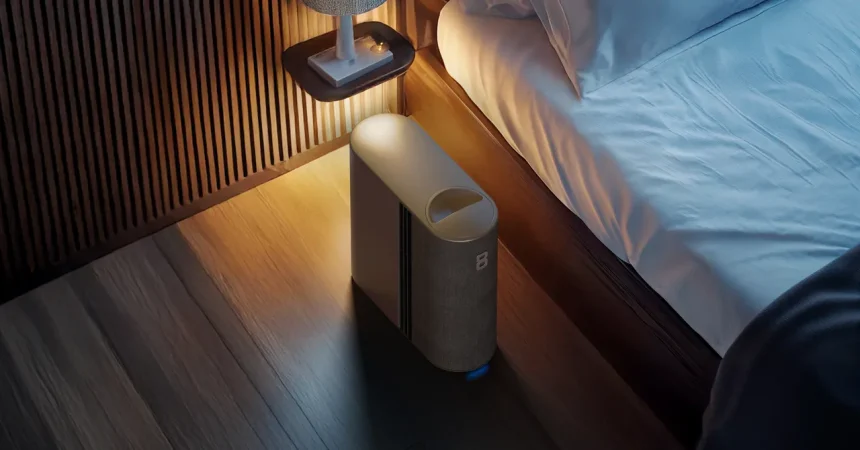
Investing in a high-end sleep system like the Eight Sleep Pod 5 is a significant commitment that goes far beyond the initial price tag. While the technology is genuinely impressive—offering some of the best temperature regulation and sleep tracking on the market—it’s important for potential buyers to look past the marketing and understand the real-world implications of “smart” sleep. The introduction of tiered memberships, specifically the Enhanced ($299/year) and Elite ($399/year) plans, highlights the reality of maintaining such a complex setup. Because the system utilizes a network of pumps, tubing, and sensors that operate night after night, the mechanical wear and tear is inevitable. Moving beyond the standard warranty period is almost a necessity rather than a luxury; should a hardware failure occur once your coverage expires, the costs of repairs or replacements can quickly spiral, making these subscription tiers feel like a defensive necessity for your long-term investment.
Beyond the financial hurdles, there are deeper, more human concerns regarding privacy in the one place where we feel most secure: our bedroom. Having a device that tracks your sleep cycles, bed occupancy, and even whether you are sharing your bed with a partner creates a massive data footprint. The reality of this connectivity was laid bare in 2025, when cybersecurity experts discovered vulnerabilities in Eight Sleep’s firmware. These flaws theoretically allowed unauthorized remote access, exposing the startling possibility that personal data could be transmitted to third parties or that someone could manipulate your device remotely. While the company has since tightened its security protocols—mandating that support staff can only access your Pod with explicit, real-time consent—the incident serves as a sobering reminder that bringing “smart” tech into the bedroom invites corporate oversight into our most private moments. Even if the intentions are benign, the question remains: are you comfortable with a company having this much visibility into your bedroom habits?
The reliance on cloud connectivity introduces another layer of fragility to your nightly routine. Because the system isn’t just a simple mattress but a cloud-dependent peripheral, your ability to sleep comfortably is effectively tied to the reliability of your internet connection and the company’s server health. We have seen instances, such as the major AWS outage in 2025, where users experienced temporary losses in temperature regulation and base functionality. While Eight Sleep has rolled out a “Backup Mode” designed to mitigate these issues and keep the system functional during blackouts, it’s not a panacea. If the network goes down or the company’s servers hit a snag, you’re left with a device that can suddenly lose the very features you paid a premium to enjoy. It is a stark reminder that in the world of smart home technology, you are rarely fully in control of the devices you own.
For those considering diving into the full ecosystem, the list of available accessories is extensive but further illustrates the “subscription lifestyle” that comes with the territory. Whether it’s the $1,999 adjustable base designed to combat snoring and add soothing soundscapes, the $999 hydro-powered blanket, or the $299 air-ventilated pillows, the company offers a comprehensive way to “level up” your sleep. There is an undeniable appeal to a synced bedroom where your pillow, blanket, and mattress all work in harmony to control your micro-climate. However, each of these items carries a high price point and requires its own level of care, and in some cases, additional hubs or hardware. It’s an ecosystem designed for the enthusiast who wants every variable of their sleep mastered, but it is undoubtedly a high-maintenance relationship.
Ultimately, the decision to purchase a Pod 5 comes down to a difficult balancing act between personal comfort and the trade-offs one is willing to accept. The Pod 5 is arguably the most effective temperature-management tool available today, and for many, the quality of sleep it provides justifies the costs and the privacy risks. If you are already deep into the Eight Sleep lifestyle, the trade-in programs make remaining within their ecosystem a logical next step. However, for a newcomer, it is vital to approach the purchase with eyes wide open. You aren’t just buying a mattress pad; you are entering into a long-term service agreement that requires a constant monthly contribution, a tolerance for cloud-based dependencies, and an acceptance of the data-tracking nature of the device.
As for my own experience, I’ve decided to stay the course and keep using the system. Despite the privacy concerns, the potential for firmware glitches, and the ongoing expense of the subscription, the actual impact on my daily well-being is significant enough that I’m willing to tolerate the baggage. The improvement in my sleep quality is tangible, and that creates a powerful incentive to ignore the drawbacks. That is the fundamental truth of the current smart-home era: we are often willing to trade our privacy and our autonomy for a more seamless, comfortable, and optimized existence. As long as the benefits continue to outweigh those nagging concerns, I’ll keep the pumps running, but I’ll do so with a much clearer understanding of exactly what the price of a perfect night’s sleep truly is.