The entertainment industry has long been criticized for its relentless, almost mechanical reliance on recycling the same tired concepts until they wither on the vine. We see it every time a studio greenlights a reboot, a sequel, or another “expanded universe” project. Right now, this trend is manifesting on your streaming dashboards through a sudden, synchronized obsession with hockey-themed romances. With Amazon’s Off Campus and Netflix’s upcoming Icebreaker hitting the airwaves, we are being presented with the exact same premise: polar-opposite characters finding love on the ice. While these shows aim to capitalize on the success of past hits, they seem to be missing a crucial piece of the puzzle—a misunderstanding that mirrors Hollywood’s long-standing struggle to actually listen to what its audience wants.
The specific “blueprint” here is borrowed from the literary world of “booktok” and fanfiction culture, emphasizing the enemies-to-lovers trope that has dominated platforms like Wattpad and AO3 for years. Off Campus leans into the fake-dating dynamic, pairing a reserved musician with a star athlete, while Icebreaker opts for the forced-proximity setup of a figure skater and a hockey player sharing a rink. On paper, these shows look like guaranteed hits. They feature attractive leads, established fanbases, and the familiar, high-stakes adrenaline of competitive sports. Yet, by stripping away the nuance that made the genre trend in the first place, these studios are essentially offering up a watered-down, heteronormative version of a subgenre that was essentially built on the thrill of the unconventional.
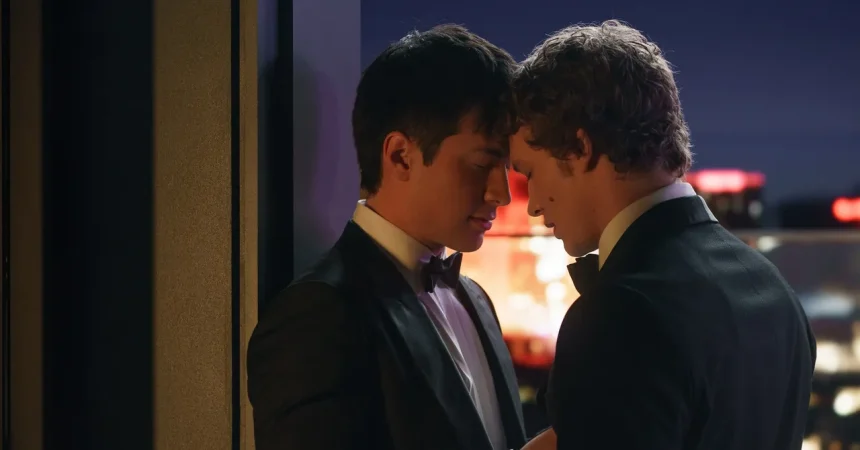
The shadow looming over both Off Campus and Icebreaker is the runaway success of Heated Rivalry. When the show debuted, it wasn’t just the steamy scenes or the athletic setting that captured the internet’s attention; it was the, at times, tender, at times, volatile queer love story between leads Connor Storrie and Hudson Williams. The show proved that audiences were not just looking for a “sports show” or a “romance show”—they were craving a story that challenged the hyper-masculine, often rigid environment of professional hockey. By focusing on a secret, LGBTQ+ relationship, Heated Rivalry tapped into a cultural nerve, gaining massive support from a diverse coalition of viewers, including the demographic often referred to as “fujoshi,” who have long championed stories about male-male intimacy.
It is baffling, then, that Hollywood executives look at the gargantuan success of Heated Rivalry and seem to categorize it under “sports romance” rather than “inclusive, high-tension queer drama.” They are betting everything on the sport and the “enemies to lovers” beat, while ignoring the fact that the queerness of the original material was the engine driving its popularity. According to the 2024 UCLA Hollywood Diversity Report, the data is unequivocal: narratives featuring underrepresented voices and LGBTQ+ themes consistently garner higher ratings and drive significantly more social media engagement. When studios choose to scrub this element in favor of more traditional straight romances, they aren’t just playing it safe; they are actively ignoring the market demand for stories that reflect a more modern, inclusive reality.
There is a strange irony in the way the NHL has reported a surge in ticket sales following the success of these shows. Studios are interpreting this as a sudden, mainstream American obsession with hockey, acting as if the sport itself is the primary draw. However, common sense—and experts like researcher Matt Puretz—suggest otherwise. People aren’t rushing to stadiums because they suddenly have a burning desire to watch a power play; they are interested because they want to see the human friction that occurs when two people, historically barred from being together, find a way to connect within a rigid, “traditionally masculine” space. The “taboo” element is not a side effect of the story; it is the main event.
Ultimately, this cycle highlights a fundamental disconnect between the boardroom and the audience. If the industry wants to stop the cycle of recycling, it needs to stop mistaking the “packaging” for the “product.” Audiences, particularly the “girls, gays, and theys” who drove the discourse for Heated Rivalry, are not looking for another carbon copy of a heteronormative romance set on a skating rink. They are looking for the stakes, the intensity, and the emotional bravery that come with telling stories outside the traditional box. Until Hollywood realizes that the magic didn’t come from the ice—but from the people fighting to be seen on it—we will likely continue to be served the same warmed-over tropes, wondering why the spark just isn’t there.