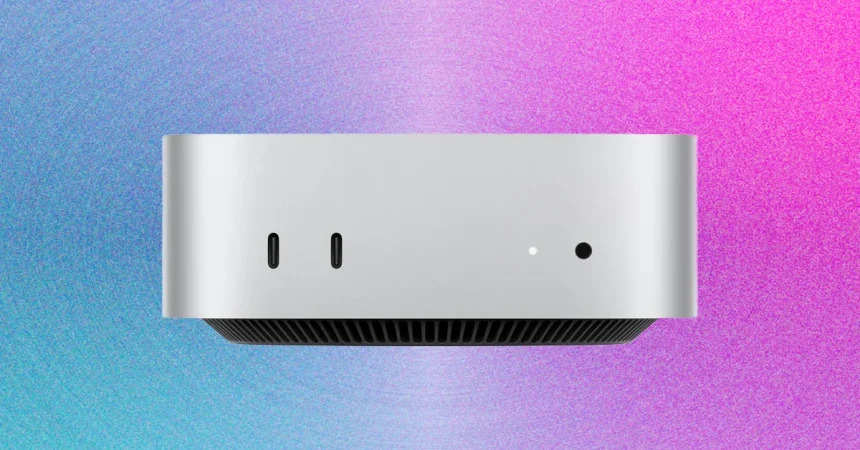
It has been three months since Apple’s CEO, Tim Cook, candidly admitted that the company had been blindsided by a massive surge in demand for the Mac Mini. This unexpected bottleneck didn’t stem from a simple factory mishap, but rather from a profound shift in how professionals and developers are using these machines. With the explosion of local artificial intelligence workloads, the compact, power-efficient Mac Mini has become the unsung hero of the AI era, forcing Apple into a game of catch-up that they are still struggling to win. While the absolute “sold-out” state we saw at the height of the crisis has subsided, the current reality remains far from normal, suggesting that Apple is still wrestling with a supply chain stretched to its breaking point.
When you attempt to purchase a Mac Mini directly from Apple today, the reality of the situation hits home in the form of daunting shipping windows. If you are looking for the baseline model with 16 GB of RAM, you are likely looking at a wait time of three to four weeks—a stark contrast to the more readily available MacBook Air. The situation becomes even more temperamental as you increase the specifications. If you need a machine with 36 GB of RAM, the wait stretches to a month, and if you require the 48 GB configuration, you are potentially staring down a three-month delivery cycle. This creates a frustrating irony: those who need the most power for their high-end work are the ones facing the longest periods of digital emptiness.
This scheduling crisis is starting to create an uncomfortable overlap with Apple’s internal product roadmaps. With persistent rumors pointing toward an M5 chip refresh arriving this autumn, the current lead times are bordering on the absurd. If a customer places an order for a high-end M4 Mac Mini today, there is a very real possibility that their machine won’t arrive until after Apple has already unveiled its next-generation successor. Being forced to wait months for a device that is essentially one step away from being “outdated” is a difficult pill for loyal customers to swallow, casting a shadow over the brand’s reputation for efficiency and timely fulfillment.
For those desperate to bypass these gargantuan wait times, the third-party market has become a chaotic alternative. Amazon currently serves as the fastest route to getting a Mac Mini, though it comes at a significant financial premium. While they have limited inventory, you can snag an M4 model with 24 GB of RAM and 512 GB of storage, but it will cost you roughly $471 more than it would through the official Apple store. There is a slight reprieve for those looking at the M4 Pro, which is priced closer to Apple’s standard rates, but these inventory workarounds highlight how unbalanced the distribution chain has become. Unless you are in dire need of a machine immediately, the current pricing premiums make these workarounds feel like a penalty rather than a convenience.
Beyond the logistical headache of the wait times, the cost of entering the Mac ecosystem has quietly inflated. Apple began the summer by discontinuing its entry-level $599 Mac Mini model, effectively setting the barrier to entry at a higher price point. While they eventually reintroduced a 256 GB model, it arrived with a $100 price hike, bringing the starting cost to $699. This trend of rising costs isn’t isolated to the entry-level tier; the powerhouse Mac Studio has seen an even more aggressive surge, with some configurations jumping as much as $1,300 in price. For the consumer, this combination of months-long shipping delays and steep price hikes creates a uniquely frustrating buying experience.
Ultimately, we are witnessing a company that has been caught off guard by the very shift in technology it helped to spark. The Mac Mini has evolved from a niche desktop for casual users into a critical tool for AI development, and Apple’s manufacturing infrastructure hasn’t yet caught up to this new reality. As we wait for the next chapter of Apple silicon to arrive this fall, the current landscape remains a testament to the volatility of the tech world. Customers are left weighing the value of performance against the increasing cost and the dwindling patience required to actually secure the hardware. It is a striking reminder that even a trillion-dollar company can find itself paralyzed when demand outpaces the physical reality of the supply chain.