Here is a summary and humanization of the research, expanded into a six-paragraph narrative:
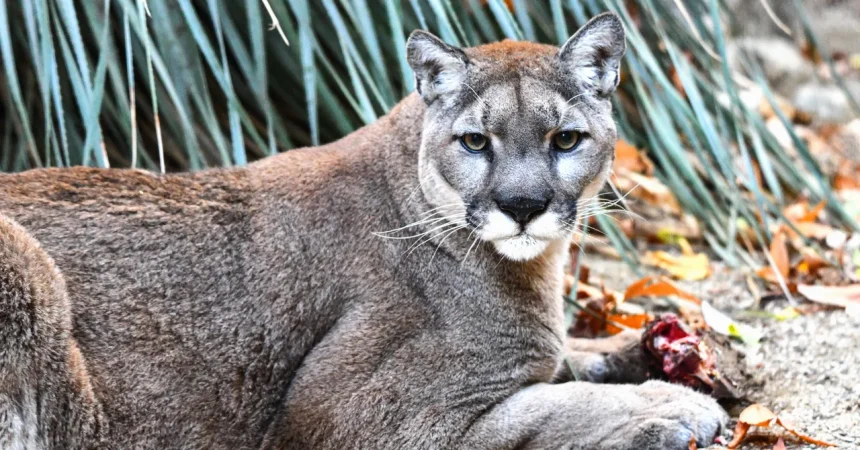
It is a common, gut-wrenching experience for many drivers: the sudden flash of movement, the screech of tires, and the jarring thud of a vehicle colliding with a deer on a dark, winding road. We often think of these accidents as inevitable, random hazards of living near nature, but recent research suggests we have been overlooking a natural solution that has been roaming our forests all along. A study published in Current Biology suggests that the key to safer roads might not be more caution signs or higher fences, but rather the return of the apex predator: the cougar. By simply existing in their natural habitats, these elusive big cats—also known as mountain lions or pumas—act as a silent “traffic cop,” fundamentally altering deer behavior and preventing the dangerous roadside encounters that plague so many communities across the United States.
To understand why this shift is so significant, we have to look at how dramatically the American landscape has changed over the last few centuries. While humans have expanded into sprawling developments and agricultural plots, the deer population has thrived in the absence of their natural predators. Unfortunately, this boom in the deer population has come at a high price. According to recent insurance data, over 1.8 million animal-related vehicle claims were filed in a single year, with deer standing as the primary culprit. These collisions are more than just a nuisance; they are a persistent public safety crisis, resulting in over 200 human fatalities annually. For decades, we have tried to manage this issue through population control and infrastructure, but the sheer abundance of deer foraging near our roadways continues to make travel hazardous.
The research conducted on Washington’s Olympic Peninsula offers a refreshing perspective on the “costs and benefits” of living alongside large carnivores. Led by scientists from Conservation Science Partners and the nonprofit Panthera, the study built upon decades of observations by local tribal biologists to analyze the complex relationship between predators and prey. The researchers weren’t just looking at how many deer were being eaten; they were interested in the “landscape of fear”—the idea that the mere presence of a predator changes how prey animals navigate their world. By deploying over 500 motion-activated cameras, the team was able to map how deer altered their daily routines and movement patterns when they knew they were sharing their home territory with cougars.
The findings reveal a fascinating behavioral shift. Because cougars are ambush predators, they prefer the “edge” habitats where dense forest meets a human-made clearing or road. These spots provide the perfect camouflage for a cat waiting for an unsuspecting meal. As a result, deer have learned to be much more cautious. The study found that when cougars are active in an area, deer are 15% more likely to avoid the forest edges near roads and 86% more likely to retreat deep into the safety of the woods. By staying away from the roadside “danger zones” where they are vulnerable to a cat’s strike, the deer inadvertently remove themselves from the path of oncoming traffic, creating a safer environment for motorists.
The most striking takeaway from this data is the sheer magnitude of the impact: in areas with a healthy population of cougars, deer-vehicle collisions plummeted by as much as 76%. Crucially, the researchers noted that this wasn’t just because the cougars were killing off the deer herd, thereby thinning the population. Instead, the reduction in accidents was driven primarily by behavioral changes. The deer were effectively “scared” away from the pavement. By staying deeper in the woods and moving more cautiously, they avoided the specific areas where the risks of a car crash were highest. This suggests that apex predators provide a vital, natural service that helps maintain a delicate balance between human infrastructure and the wild world.
Ultimately, this study invites us to rethink our relationship with the predators we have historically feared or driven away. While the prospect of having mountain lions nearby might feel intimidating at first, the evidence suggests they provide a quiet, effective defense against the most common hazard on our rural roads. By embracing the ecological role of cougars, we might find that coexistence isn’t just about charity toward wildlife; it is a pragmatic strategy for reducing human tragedy. When we allow nature to function as it was intended, we often find that the environment is perfectly capable of keeping our roads safer—if only we are willing to share the landscape with those who were here long before we were.