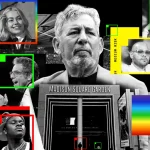
There is something deeply poetic, perhaps even a bit provocative, about screening a film dedicated to the extremes of human longevity inside a sanctuary built to honor the end of it. This July, as part of the ongoing WIRED@NIGHT series, the magazine is hosting a special, pre-release screening of The Oldest Person in the World—a documentary helmed by Academy Award-nominated filmmaker Sam Green—set against the quiet, sprawling backdrop of Brooklyn’s Green-Wood Cemetery. While the juxtaposition of a film about life’s longest journeys and the final resting place of thousands might seem stark, it is arguably the most fitting frame for a story that demands we confront the mystery of our own time on this earth.
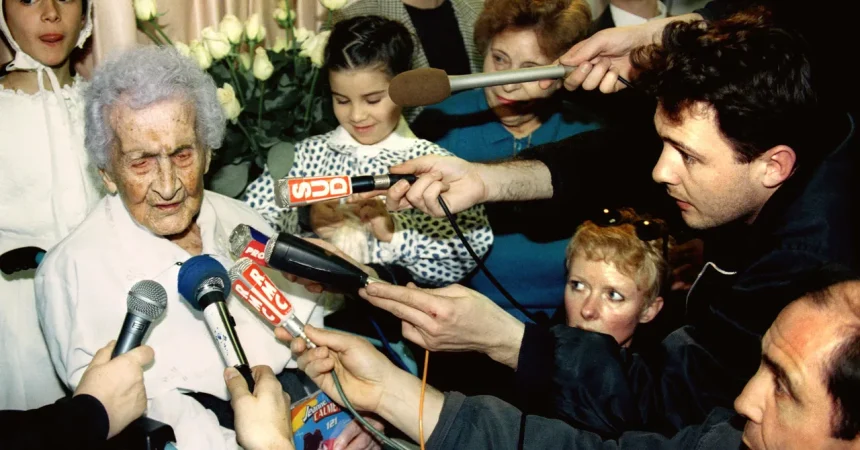
The documentary itself is the culmination of a decade-long odyssey, following the elusive, rapidly shifting title of “the oldest living person.” Green traveled the globe chasing the stories of those who have outlived almost everyone they ever knew, searching for the secrets of their endurance. Yet, what starts as a documentary about biological records and the tallying of years quickly transforms into something far more intimate. It sheds the clinical nature of scientific study and maneuvers into a meditation on fate, the unpredictability of human resilience, and the sheer, unfiltered joy of existing. It asks us to look past the numbers and into the eyes of people who have survived eras most of us only read about in history textbooks.
Following the screening, the evening shifts toward a quintessential WIRED conversation. Features director Reyhan Harmanci will join Sam Green on stage to untangle our modern cultural obsession with longevity. In an era where biohacking, anti-aging science, and wellness trends have become a multi-billion-dollar industry, the talk will pivot to the “super agers”—those rare individuals who seem to defy the biological clock. Are these people anomalies of nature, or are they providing a roadmap for a future where the average lifespan continues to stretch indefinitely? It is a discussion that asks us to reconcile the technological drive to extend our lives with the very human question of why we want that time in the first place.
Ultimately, the event forces us to engage with the classic divide in our philosophy of life: are we here for a good time, or a long time? While medical science races to close the gap between mortality and vitality, the film reminds us that the value of life is not necessarily measured by duration, but by the texture of the experience itself. By bringing a film that explores the outer limits of human existence into the hallowed, historic grounds of Green-Wood, the organizers are inviting the audience to step out of their daily routines and sit with the big questions. It is an opportunity to reflect on what we hope to accomplish with the days we are given, regardless of how many we are allotted.
The screening is scheduled for the evening of July 23, with gates opening just as the summer sun begins to dip, setting a cinematic tone for an outdoor experience co-presented with Rooftop Films. For those who want to be part of the discourse, tickets are available at a general admission rate of $22; however, in a nod to their core audience, WIRED is offering a special $12 rate for their readers with the discount code “WIRED.” It is a rare chance to engage with a piece of art before its national September release, wrapped in a setting that encourages both curiosity and reflection.
For those unable to attend, the dialogue doesn’t have to end there. WIRED continues to build a community centered on the intersection of technology, culture, and human experience, and they encourage interested readers to sign up for updates on future events. Whether you are driven by an interest in the cutting-edge science of aging or are simply looking for a resonant, thought-provoking night out under the stars, this event offers a unique intersection of the past, the future, and the present. It stands as a reminder that while the clock is always ticking, how we choose to spend our time—and how we talk about that time with one another—is what truly defines our humanity.