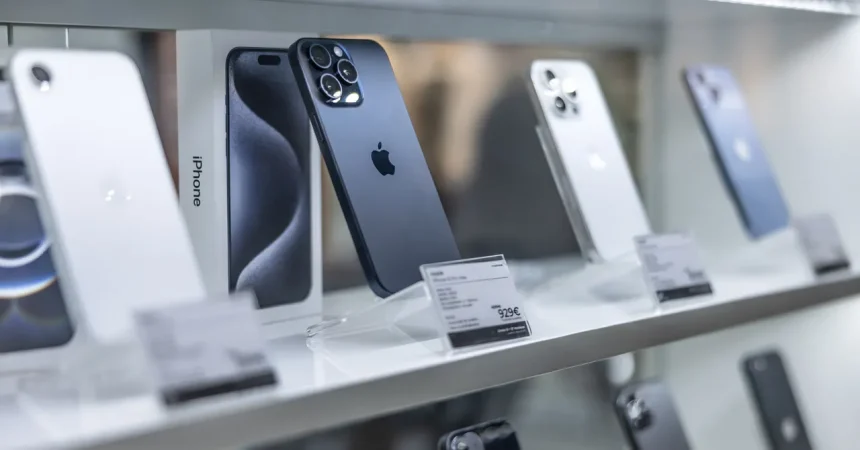
The constant cycle of upgrading to the latest smartphone has long been a source of frustration, both for our wallets and the planet. For years, the argument for buying used or holding onto a device for an extra year or two was primarily rooted in environmental sustainability and long-term financial common sense. However, the landscape of the tech industry is shifting rapidly, turning what was once a thrifty alternative into a strategic necessity. With tech giants signaling that price hikes are on the horizon, the decision to opt for a pre-owned iPhone is no longer just about saving a few dollars; it is about navigating a new era of economic volatility in the electronics market.
The primary catalyst for this shift is a growing crisis in the global supply chain, specifically a persistent shortage of memory and storage components. Because the world is currently obsessed with scaling up artificial intelligence data centers, the hardware required to build those servers is being snatched up at a rate that squeezes out consumer electronics. Even a powerhouse like Apple is feeling the pinch. Outgoing CEO Tim Cook has recently warned that price increases for their products are becoming “unavoidable.” While Apple has spent years trying to absorb rising logistics and raw material costs, the reality of market forces—compounded by shifts in trade policy and international tension—means those costs will inevitably land on the shoulders of the consumer.
Despite the gloomy outlook for brand-new models, there is a silver lining for those who choose to step off the “latest-and-greatest” treadmill. Apple’s software roadmap offers a surprising amount of longevity for older devices. With the upcoming rollout of iOS 18 (and future iterations), Apple is refining how its operating system manages resources, specifically through a more efficient CPU scheduler. This means that even hardware as old as an iPhone 11 will stay snappy and functional for longer. By opting for a used device, you are no longer sacrificing basic performance or security; you are simply opting for a platform that Apple is actively committing to keep relevant for years to come.
Practical maintenance also tilts the scale in favor of the used market. One of the most common reasons people feel the need to upgrade is a failing battery, yet replacing a battery in an older phone is significantly more affordable than the service costs for the latest flagship releases. For instance, swapping a battery in an iPhone 13 is notably cheaper than maintaining the newest top-tier model. Experts like Kyle Wiens of iFixit point out that the most cost-effective strategy today is to purchase a year-old model, swap in a fresh battery, and enjoy a premium experience for a fraction of the cost of a device currently sitting on a store shelf.
It is important to remember that Apple has been careful about how it handles these price increases. Analysts suggest that the company will likely shield its budget-friendly entry-level products from the worst of the hikes, focusing instead on its “Pro” lines and upcoming experimental devices like folding phones. By choosing a device that is one or two generations old, you aren’t just saving money on the ticket price; you are effectively opting out of the premium “early adopter tax” that Apple will inevitably charge for its newest, most high-end hardware. You aren’t losing out on essential functionality, but you are buying yourself protection from the inflationary pressures hitting the high-end market.
Ultimately, the choice to buy used comes down to a shift in perspective. If you can live without the absolute latest camera sensor or a handful of experimental AI features, the used market offers a level of value that is becoming harder to find in the primary market. Technology has reached a point of “good enough”—where even an three-year-old phone is more than capable of handling modern apps, high-quality photography, and seamless multitasking. By embracing a more sustainable, deliberate approach to our tech upgrades, we can maintain high-quality gear while avoiding the financial headaches that define the next generation of smartphone releases.