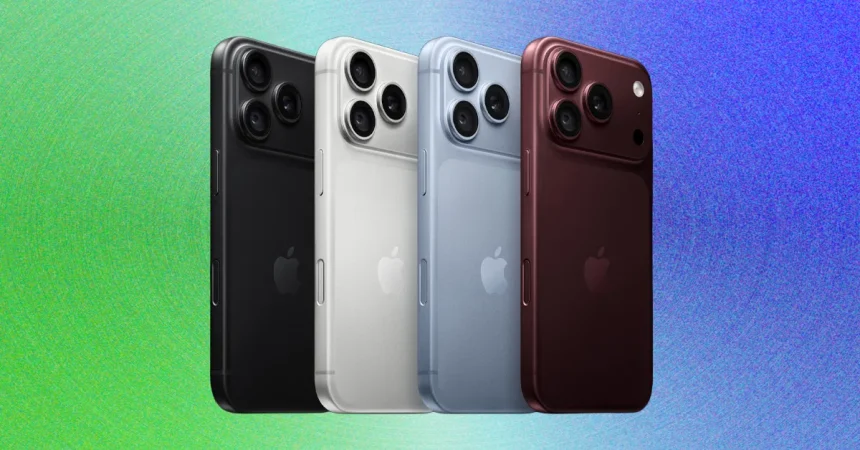
Apple’s latest announcement catches your attention immediately because it introduces something we haven’t quite seen from them before: a folding iPhone. It’s called the iPhone Duo, and it sits alongside the new iPhone 18 Pro and iPhone 18 Pro Max, which look more like the iPhones you already know. The regular iPhone 18 is nowhere to be found, at least not yet. Rumors are already swirling that a more affordable base model could show up in spring 2027, maybe joined by an iPhone 18e and a second-generation iPhone Air. But right now, Apple’s focus is on the fold. The Duo is a fresh take on the familiar, and in many ways it feels like the most radical redesign Apple has made in a long time. It’s also a little confusing, because you have three new models to choose from, and they don’t all arrive at the same time. The iPhone 18 Pro and Pro Max can be preordered starting September 12, and they’ll be in people’s hands on September 18. The Duo, if you’re interested, is a bit later: preorders open October 16, with a full release on October 23. The staggered timing gives everyone a chance to think about what they actually want, but it also creates some pressure. Do you wait for the foldable? Do you just order the Pro now and call it a day? The answer depends on what you care about most, and hopefully this walkthrough helps you figure that out without feeling like you need a tech degree.
Before we get deep into the specs and the subtle things that separate these phones, it’s worth taking a breath. You might not need to upgrade at all. That might sound strange, because Apple wants you to believe every launch is a must-have moment, but the truth is that most current iPhones are still plenty good. Apple still supports older devices with updates, and the iPhone 11 Pro is a good example of how long that can last. If your existing phone is only starting to struggle, it may have a real hardware issue, like a worn-down battery, that can be fixed more cheaply than replacing the whole phone. A repair or a simple battery replacement can sometimes make your phone feel brand new again, and it’s a fraction of the cost of one of these new flagship devices. So don’t let the shiny launch event cloud your judgment. If you’re still perfectly happy with your current phone, it honestly may be wise to keep it. If you’re already thinking about upgrading, though, a few practical things can make it easier. Your old iPhone can help pay for the new one, but only if you handle it properly. Back up your phone first, then do a factory reset before you sell it, trade it in, or pass it along. Once your new phone arrives, give yourself time to set it up properly, and adjust some healths and settings so it feels comfortable and works the way you do. And keep in mind that the prices have jumped this year. Both the iPhone 18 Pro and the iPhone 18 Pro Max are $100 more expensive than the iPhone 17 Pro series, so that’s something to factor into your decision as you’re thinking about what you’re actually willing to spend and what you want to get with it.
Here’s where things get exciting, because underneath all three models, there’s a lot of shared DNA. The iPhone Duo, iPhone 18 Pro, and iPhone 18 Pro Max all have the same A20 Pro chipheart, which Apple says is its most powerful yet. That’s not just marketing talk. The chip is around 20 percent faster and about 30 percent more efficient than the previous generation, which means you get big performance without automatically wrecking your battery. It also includes a new neural engine, which is the part of the phone that handles the things like on-device AI, and it’s important for things like photo processing, writing, speech, and realtime image understanding. There’s also a new thermal design with a larger vapor chamber inside, so these phones are supposedly better at staying comfortable before they start warming up. That may sound like a small detail, but it matters if you play a lot of games, record long videos outside, or use the camera and maps at the same time. The iPhone Duo needs a bit of extra attention here, because its folding design demands special hardware. The A20 Pro chip in the Duo includes a dedicated display engine that handles the between the two screens, which words in the “make the flipping between different sizes and orientations feel smooth and effortless.” And while Apple doesn’t officially say how much RAM is inside, every model is expected to have 12 random access, based on sums from industry and supply chain. That kind of memory is probably overkill for daily tasks like texting or checking email, but it becomes meaningful when you’re running multiple apps side by side, doing photo and video edits, and leaning on AI tools all the time.
All three phones share the same kind of screen, even though they come in different sizes and the Duo has two instead of one. The display on each is an OLED panel that Apple calls a Super Retina Retina XDR display, and they all include ProMotion technology. That means the display refreshes at up to 120 times per second when you’re moving around, which makes everything feel smooth when you’re scrolling or playing. When you’re not doing anything, it can dropot every down to 1Hz at, which sounds tiny but matters for battery life because you can use as an always-on display without draining power. They’re also protected by a tougher Ceramic graded material, the same kind of advanced glass as last year’s iPhone 17 lineup, and they have that “antificfective coating that makes the screen easier to read in direct sunlight. The brightness range is interesting too, starting from a super dim one nit for dark movie theaters or nighttime browsing and going all the way up to 3,000 nits in peak brightness for bright outdoor days. The Duo does something unique on the inside portion of its display: it has a custom nano-texture finish that gives the screen a matte look, which makes it harder to see and reduces the visibility of the dreaded crease. That’s a pretty big deal for folding phones, because the crease can feel unavoidable, and anything Apple can do to make it less noticeable is going to make the device feel more polished. All of them are built to survive life’s accidents, too, with an going rating of up to, so they can handle a quick dunk in fresh water and solid dust protection.
Sizing isn’t the only thing that unifies them; there are plenty of practical details that bring all these phones into the same family. Every model has expandable storage starting at 256 GB, going up to 512 GB, 1 TB, or a full 2 TB, so there’s plenty of room for all your photos, videos, and whatever you download. Charging and recharging are classic and consistent with the latest standard: they support useful magnetic wireless charging and have a USB-C port that runs at USB 3.2 speeds, which allows faster wired data transfers, especially if you’re moving huge video files to the computer. All three handle today’s wireless and connection connections extremely well, including Wi-Fi 7, Bluetooth 6, Thread, and Ultra-Wideband chip for short-range location finding. If you travel or use multiple numbers, the phones support Dual SIM, which can be convenient if you have a personal number and a work number in one. Apple has also packed in all their safety and smarts: there’s Apple Intelligence running all over, redesigned Siri that uses the whole OS to assist with context, Emergency SOS that lets you reach help even when there’s no cell service, and Crash Detection, which can call emergency services if you’ve been in a car. For people with elderly parent or someone who loves long fitness, those extra safety features can be the quiet reason they upgrade in the first place. The brain of all three feels nearly identical, and because of that, the choice starts to really come down to form factor, feel, size, and whether you want to experience that folding future.
Once you take away the shared features, the differences become obvious and maybe more difficult. The iPhone Duo has two displays and works like a laptop of a phone, with the ability to open up and extra screen when you need it. It’s the experimentaloption, the one that feels a little more futuristic and curious. The Pro Max is the traditional big phone, for the people who want the largest screen possible without a fold, the Duo is the foldable rebels with the flexibility of something new. The regular Pro is the one that usually balances size and power for people who want a pocket-friendly experience but still want everything Apple has to offer. Which one should be “right” for you? It comes down to how you use your phone. If you are a digital native who loves taking your phone into a mini tablet, you may be delighted to Duo. If you want a smaller classic design that still has premium everything, the Pro might be the sweet spot. If you read, you watch, you do all day and you want a huge screen that lasts all day, Pro Max is your easy choice. But there’s no nondecision hereeveryone. Asking if you really need a new iPhone in the first place is important, and pricing has now gone up, so you don’t have to rush into it just because these shine. The good news is that if you wait, promised in right. Your current phone probably still works fine, and maybe it’s repairable rather than replaceable. If you truly decide, you’re ready for something new, make sure you backup, wipe down, and do your preparations. After that, it’s all about matching your lifestyle to the phone that feels most useful. The iPhone 18 Pro and Pro Max are really shipped later than you’d expect, while the Duo is a pick that feels like a look at the future. Good stipulate.