For years, the world of “smart glasses” felt like a losing battle between cutting-edge technology and basic human dignity. Early iterations were bulky, robotic monstrosities that practically screamed “gadgetry,” turning early adopters into social pariahs dubbed with unflattering nicknames. However, the tide has finally changed. With the help of industry giants like EssilorLuxottica, Meta has effectively cracked the code, producing smart glasses that finally resemble normal, fashionable eyewear. By blending sophisticated tech into a frame that doesn’t look like a piece of high-tech laboratory equipment, they have normalized the presence of cameras and microphones in our daily lives—though this success brings its own brand of public anxiety and ethical scrutiny.
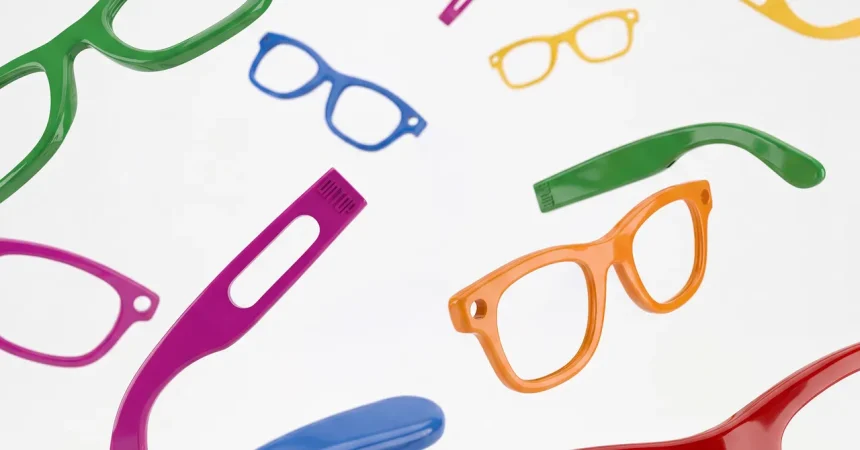
Enter the startup Lorika, a fresh-faced, Italy-based team of young entrepreneurs who believe that while Meta has masterfully conquered the utility and aesthetic of smart glasses, there is still room for raw, unfiltered self-expression. They’ve just launched “Ontop,” a line of bright, clip-on polycarbonate covers for the Meta Ray-Ban glasses. Rather than being a subtle accessory, these pieces are deliberately loud and unapologetically “chubby.” By snapping these covers over the frames and arms of the glasses, users can instantly trade the sleek, stealthy look of the original device for something that stands out in a crowd. It’s an interesting pivot: we’ve spent years trying to make smart glasses look like regular glasses, and now, we’re seeing a push to make them look like bold fashion statements.
The design behind Ontop is a clever mix of rigidity and flexibility. Composed of polycarbonate plastic interwoven with elastic polymers, the covers are engineered to snap securely around the lenses and hinges without obstructing the essential technology. The cameras and speakers—the very heart of what makes the glasses “smart”—remain perfectly exposed and fully functional. While the covers add roughly a millimeter to the profile of the frames, they provide a noticeably chunkier, puffier aesthetic that feels like a deliberate nod to maximalist fashion. At a price point of $35 or $40, these aren’t just protective shells; they are essentially “phone cases” for your face, designed for those who find the industrial, minimal look of current tech a little too boring.
It’s worth noting that Lorika is operating as a third-party innovator with no official affiliation with Meta. CEO Giorgio Di Cesare acknowledges Meta’s dominance in the space with the grace of a challenger, noting that while the tech giant clearly builds better hardware than anyone else, there is a lingering “design gap” waiting to be filled. By focusing on customization, Lorika is carving out a niche that acknowledges the current state of wearables: they are no longer niche tools for enthusiasts, but permanent fixtures of our daily wardrobes. Consequently, they should be customizable, replaceable, and as varied as the clothes we wear or the stickers we put on our laptops.
This shift toward hyper-customization is a direct response to the awkward, often expensive failures we’ve seen elsewhere in the industry. Look no further than the recent launch of Snap’s AR Specs; despite being an impressive feat of engineering, the immediate public takeaway was how bulky and “silly” the hardware looked. When your device is so cumbersome that it physically squishes the CEO’s ears during a demonstration, you have a fashion problem. Lorika’s approach suggests that the path to widespread adoption isn’t just about making the tech invisible—it’s about making the hardware something that users actually want to style, rather than something they have to endure.
Ultimately, we are witnessing the “accessorizing” phase of the wearable revolution. As Google and other tech titans scramble to collaborate with chic brands like Warby Parker or Gentle Monster to ensure their devices don’t look like science fiction props, startups like Lorika are taking a more grassroots approach to the same problem. They are betting that the future of tech isn’t just about high-speed processors or better batteries; it’s about the psychology of identity. By allowing people to add color, texture, and volume to their frames, these small gadgets are finally starting to feel like personal accessories rather than cold, corporate surveillance devices. The era of the “Glasshole” is dead; the era of the customized, slightly puffy, and very loud smart frame has officially arrived.