The initial trepidation many parents feel toward the prospect of bringing a 3D printer into the home is rooted less in a lack of support for their children’s hobbies and more in the universal exhaustion surrounding “some assembly required.” Like many parents, I found myself hesitating, not because I didn’t want to encourage my 11-year-old’s burgeoning curiosity, but because I dreaded the prospect of another complex gadget requiring technical oversight. 3D printing often feels reserved for a niche community of hobbyists—those deep into tabletop gaming or industrial prototyping—rather than a casual household activity. My professional life is already saturated with troubleshooting hardware, and there’s a distinct difference between “tinkering for work” and “tinkering for fun.” Yet, my daughter’s persistence forced me to confront a reality that many parents today face: the shift from viewing 3D printing as an elusive engineering feat to recognizing it as a legitimate creative outlet for the next generation.
My daughter’s interest wasn’t born out of a vacuum; she had already spent months scouring platforms like Thingiverse and Printables, curating a mental list of projects long before she ever had the hardware in her hands. This level of engagement is a testament to how accessible digital design has become for children, who often bypass the “how does this work” phase and move straight to “what can I build.” I noticed that when I turned to online forums for advice, the feedback was often unhelpful—saturated with jargon about resin versus filament and complex material science that missed the point entirely. Most parents aren’t looking for a masterclass in polymer science; they’re looking for reassurance that their living room isn’t about to become an industrial lab or a source of constant frustration.
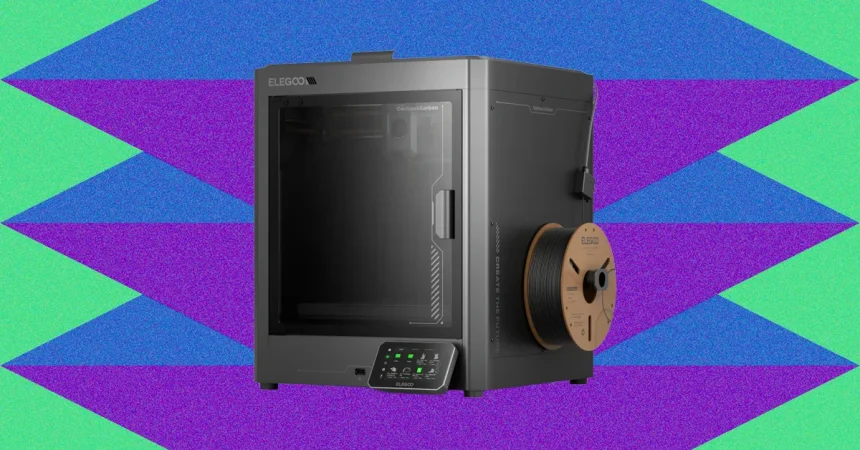
Taking the leap required a shift in perspective. To test whether these machines were truly kid-friendly, I started with the Elegoo Centauri Carbon, and I was shocked to find that the setup process was remarkably intuitive—not much more complicated than assembling a modern toy house. Emboldened by this initial success, I even experimented with the more advanced Snapmaker U1, while my colleague, Divya, tested the Toybox printer with her son, Leo. The Toybox, specifically designed for younger demographics, offered a streamlined, app-based experience that felt almost foolproof. These devices demystified the process, proving that the barrier to entry has lowered significantly, shifting the focus from “will the machine work?” to “what can we create together?”
Of course, the practical realities of owning a 3D printer cannot be entirely disregarded, particularly regarding space and environment. These machines have a physical footprint that demands a thoughtful choice of location. The Centauri Carbon, for instance, spans roughly the size of a laundry basket, necessitating a stable surface because the precise, rapid movements of the printing head can cause vibrations. Furthermore, because the process involves melting plastic filament, placement matters. It isn’t necessarily noxious, but the faint scent of heated PLA—a common, relatively harmless polyester—means you probably don’t want it running right next to your child’s bed. We found that a neutral, well-ventilated area, like a library or a home office corridor, served as the perfect “printing station” to minimize noise and maintain air quality.
The noise factor, too, is something for parents to account for. Comparing the sound of a printer to a dishwasher gives you a realistic benchmark; it isn’t deafening, but it is definitely perceptible. You will hear the mechanical, rhythmic whirring of the rails and the hum of the cooling fans as the machine works. It’s a sensory experience that grounds the digital act of “printing” into something very physical, rhythmic, and demanding of its own small sphere of influence within the house. For us, stabilizing the printer on a sturdy storage unit against a wall eliminated the wobbling, turning the machine from a source of potential chaos into a quiet, reliable partner in our creative sessions.
Ultimately, inviting a 3D printer into our lives was about more than just checking off a gift-list item; it was about supporting a child’s desire to manifest her imagination. While the technical hurdles are far lower than the forums would have you believe, the commitment to 3D printing is a commitment to space, light maintenance, and an appreciation for the mechanical process. If you can provide a stable, well-ventilated corner and help children navigate the massive library of available digital designs, these printers become incredible tools for spatial learning and creative autonomy. The “some assembly required” phase turned out to be a fleeting, simple hurdle leading to a much more rewarding long-term experience for my daughter and me alike.