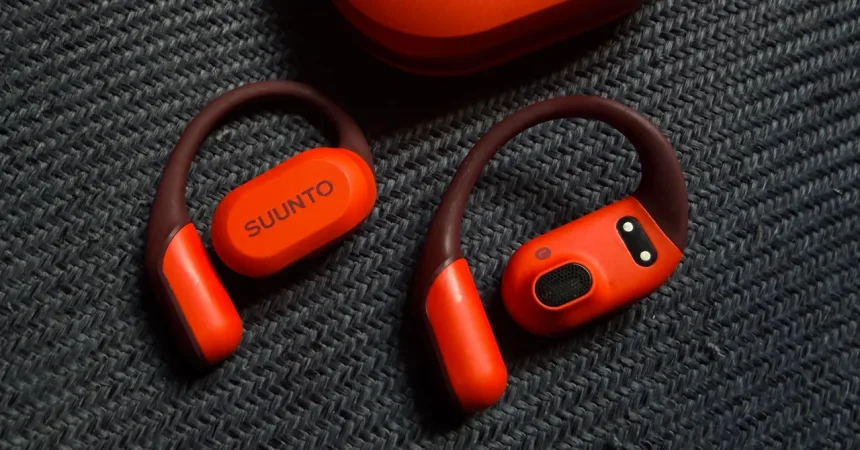
The Suunto Spark represents a fascinating evolution for a brand typically synonymous with rugged outdoor sports watches. When you first handle these earbuds, the design philosophy is clear: they are built for the athlete who demands durability without sacrificing the ability to stay aware of their surroundings. With an IP55 rating, the buds themselves are well-equipped to handle the harsh realities of marathon training, including heavy sweat and unexpected downpours. By intentionally excluding the charging case from this rating, Suunto has kept the case remarkably slim and portable. It slides easily into a running vest or a pocket, ensuring that you aren’t weighed down by unnecessary bulk during your workouts.
The user interface, however, remains a point of contention for those of us who prefer tactile precision while exercising. Suunto has opted for touch-sensitive panels on the exterior of the earbuds, a choice that often proves frustrating when you are mid-stride or dealing with slippery, sweaty fingers. While the company acknowledges that single-tap commands can be prone to accidental triggers, I found the implementation to be surprisingly balanced. The controls are spaced out widely enough to minimize errors, and you can comfortably manage volume, track skipping, and playback without constant frustration. That said, the omission of an EQ-toggling gesture feels like a missed opportunity given the focus on sound quality.
The most experimental aspect of the Spark is its implementation of head gesture controls, a feature that sounds innovative on paper but often falls short in practice. Utilizing motion sensors familiar to anyone who wears a high-end smartwatch, these controls allow you to accept or reject calls—and even skip tracks—simply by nodding or shaking your head. While this works seamlessly when you’re stationary or casually walking, it becomes a liability during a high-intensity run. The natural, rhythmic bouncing of your head while sprinting frequently registers as a command, creating an intrusive UI experience that often feels more like a hindrance than a helpful, hands-free shortcut.
Where the Spark truly earns its reputation, however, is in the area that matters most: audio fidelity. In a crowded marketplace filled with open-ear competitors from powerhouses like Bose, Shokz, and Anker, the Suunto Spark genuinely holds its own. The audio depth is impressive, providing a rich, immersive soundstage that remains surprisingly clear even when you are outdoors in windy conditions. Whether you are listening to a high-energy playlist to push through a final mile or catching up on a podcast during a recovery run, the clarity is consistent and punchy, proving that open-ear technology has finally matured to compete with traditional earbud standards.
Much of this auditory success is owed to the transition from bone conduction to air conduction technology. By positioning the speakers right at the entrance of the ear rather than vibrating the skull, Suunto has unlocked a level of audio customization that simply wasn’t accessible before. Using the Suunto app—the same ecosystem that powers their watches—you can cycle through four distinct EQ presets or dial in your own custom settings. While the app interface leans toward the utilitarian side rather than being a visual feast, it provides the exact granular control needed to make these buds sound exactly how you want them to.
Ultimately, the Suunto Spark is a high-performing piece of kit that favors function and sound quality over experimental gimmicks. While the head gestures are best left switched off during serious training sessions and the touch controls require some gentle adjustment to your technique, the hardware itself is excellent. If you are an athlete who prioritizes safety and spatial awareness but refuses to compromise on the depth of your music or the quality of your phone calls, the Spark is an easy recommendation. It is a thoughtful, durable, and sonically capable tool that keeps you connected to your environment without forcing you to abandon your sound.