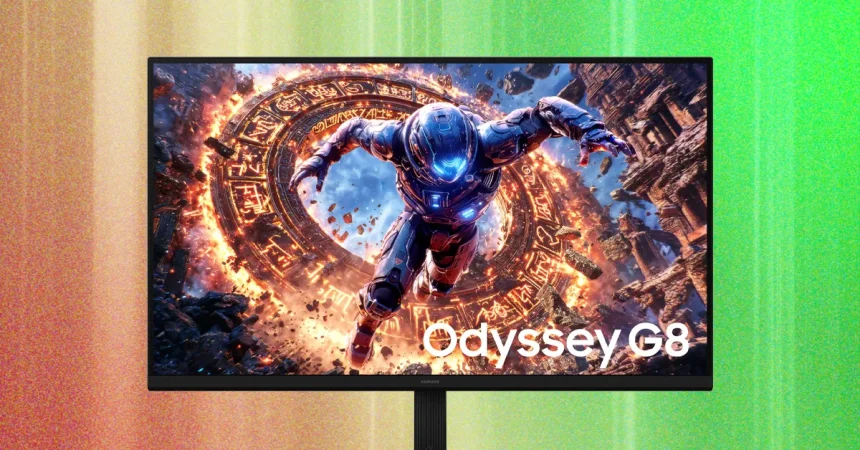
The arrival of 6K resolution represents a fascinating, albeit polarizing, frontier in display technology. At its core, this massive increase in pixel density transforms the visual experience into something that feels almost tangible. When you move from standard 4K to 6K, the jump in sharpness isn’t just a subtle technical spec—it’s a dramatic shift in how your eyes perceive digital space. From the crisp edges of icons on your Windows desktop to the intricate, lifelike detail in high-resolution photography, everything seems to gain a newfound sense of depth. It is, quite simply, an exercise in visual decadence, offering a clarity that makes standard screens suddenly feel like a step into the past.
However, this visual nirvana comes with a significant catch: the “video wall.” While your desktop and static images benefit immensely from this density, video content remains largely stuck in the 4K era. Because there is currently very little 6K source material available, your favorite movies and shows won’t necessarily look sharper; they’ll just be displayed with the same data they’ve always had. For gamers, the situation is more nuanced. 6K acts as a powerful eraser for the “jaggies” that have plagued titles for decades. Fine details like power lines, distant fences, or thin tree branches, which often shimmer or look pixelated at lower resolutions, finally appear solid and clean. It’s a level of fidelity that makes the virtual world feel genuinely grounded.
The real-world friction, though, lies in the hardware requirements. Simply put, 6K is a beast that few modern computers are equipped to tame. While your system might be able to display a desktop image at 6K, pushing a high refresh rate—like 165Hz—requires specific, cutting-edge connectivity like DisplayPort 2.1 or HDMI 2.1. If your machine is more than a few years old, you’re likely staring at a compatibility wall before you even start the first game. The bandwidth requirements alone are a massive barrier, and for many users, the transition to 6K will necessitate a complete overhaul of their existing PC setup just to get the monitor to function as intended.
Even if your hardware is up to the task of displaying the image, the heavy lifting of rendering 3D games at 6K is a different nightmare entirely. We are talking about a 155 percent increase in pixel count over 4K, and a staggering 10x increase over the standard 1080p experience. Even top-tier, enthusiast-grade graphics cards, like the latest AMD or Nvidia flagships, will buckle under the pressure of modern, path-traced titles. Trying to run a game at 6K today often feels like trying to pull a trailer with a sports car; you might get it moving, but you’ll have to sacrifice frame rates and graphical settings to keep the engine from overheating, effectively negating the clarity you bought the monitor for in the first place.
Beyond the raw performance struggles, there is the lingering issue of software compatibility, particularly with older games. We often forget that software is built with target resolutions in mind. When you force a decade-old game to render at 6K, the user interface frequently breaks. You might find yourself squinting at tiny, postage-stamp-sized icons and unreadable text, or worse, dealing with “muddy” assets that were never designed to be viewed at such extreme detail. These legacy titles aren’t just unoptimized for 6K; they are often fundamentally incompatible with the pixel density, leaving you with a compromised experience that looks significantly worse than it did on a standard 1080p or 1440p screen.
Ultimately, the choice to adopt 6K is a precarious balancing act between cutting-edge ambition and practical reality. While the G80HS and similar displays offer an unparalleled window into high-fidelity content, they are hindered by the limitations of current LCD panel technology and the sheer computational cost required to feed them. Unless you are a professional photographer or a power user with an unlimited budget for the latest hardware, 6K feels like a technology that has arrived just a few years too early. It is a brilliant, sharp, and beautiful goal, but for the average gamer or office worker, the jump to 6K currently demands far more than it provides in return.