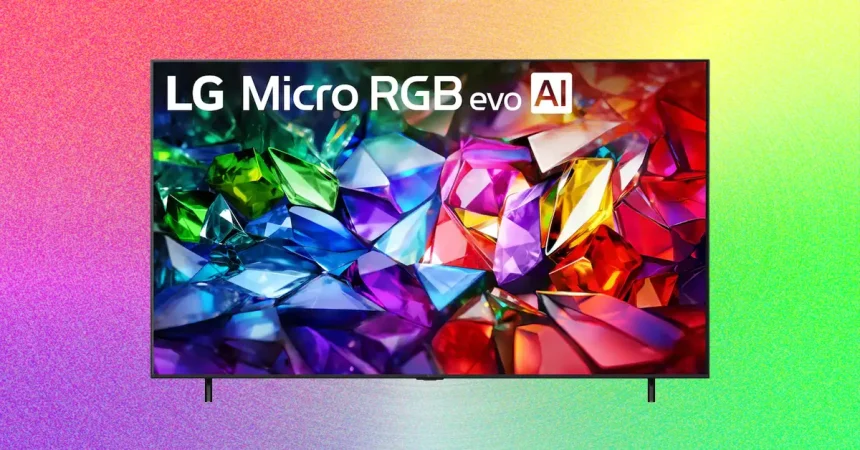
The latest LG television marks a genuine turning point in display technology, particularly with its implementation of micro RGB architecture. While technical specifications often feel like alphabet soup to the average consumer, this TV’s ability to hit 100 percent of the BT.2020, DCI-P3, and Adobe RGB color gamuts actually translates to a noticeable, real-world difference. When watching visually rich films like Guardians of the Galaxy Vol. 2 or Inside Out, the colors aren’t just bright; they are nuanced and deeply saturated in a way that feels true to life rather than artificially boosted. It is rare to see a screen that can handle the full breadth of these standards so effortlessly, making the viewing experience feel remarkably expansive and vivid.
Beyond the raw color data, the micro RGB technology excels in the subtleties of realistic imagery, most notably in how it renders human skin. During rigorous benchmarking, this TV outperformed heavy hitters like the Sony Bravia 7 II and the TCL RM9L by capturing complex tonal variations that usually get glossed over by lesser displays. Instead of the flat, grayish look that often plagues lighter skin tones on standard LED screens, this model maintains richness and texture. The level of detail—from the distinct blades of grass in a landscape to the vibrancy of a single yellow flower—suggests that the micro RGB tech is doing serious heavy lifting behind the scenes to produce a more precise and lifelike image.
However, it is important to temper this excitement with a practical look at where this technology sits in the current landscape. While the micro RGB system creates stunning brightness and color depth, OLED technology still maintains a slight edge when it comes to extreme contrast. In scenes where dark silhouettes, such as black trees against a moody mountain background, are pitted against bright highlights, OLED displays often retain a level of “purity” that this LED-based tech is still chasing. That said, the gap is narrowing significantly, and for most viewers, the trade-off of superior color vibrancy and brightness versus absolute black-level perfection will be a matter of personal preference rather than a clear-cut win for the older tech.
One of the most interesting aspects of this TV is how heavily it relies on the user to curate the experience through its various picture modes. It isn’t a “set it and forget it” device; the visual impact changes dramatically depending on whether you choose Filmmaker mode or the more aggressive Vivid and CinemaHome settings. While Filmmaker mode offers the most “accurate” picture by industry standards, the Vivid and CinemaHome modes are where the TV really breathes life into darker tones like deep browns and purples. It is a bit of a balancing act—if you are watching a snowy mountain scene and the mist looks washed out, the solution is often just a quick toggle away, as these modes work to recover details that might otherwise disappear into the display’s ambient settings.
For those who rely on streaming services to test their hardware, this LG model performs admirably in what are typically the most difficult conditions: dark, low-light cinema scenes. Watching challenging material like Netflix’s Awake or The Creator, many mid-tier LED TVs turn dark scenes into a murky, indistinct blur. This LG, however, manages to pull surprising detail out of the shadows. Even the challenging pre-dawn ocean scenes in The Creator remained clearly visible and beautifully saturated with deep, moody blues. While the most extreme settings in Vivid mode can occasionally lean toward over-saturation, the extensive menu of color temperature, tint, and white-balance adjustments allows you to dial the image back until it hits that “Goldilocks” spot of perfection.
Ultimately, this television represents a significant leap forward in how we perceive color and light on a home screen. By leaning into the strengths of its micro RGB architecture, LG has created a device that isn’t just bright or colorful, but genuinely sophisticated. When pitted against competitors like the Hisense UR9, the LG holds its own—and often pulls ahead—by offering deeper blacks and more punchy reds, provided the user is willing to engage with the advanced settings. It serves as a reminder that as screen technology advances, the best experience often comes from the harmony between cutting-edge engineering and the user’s willingness to fine-tune their environment for the best possible result.