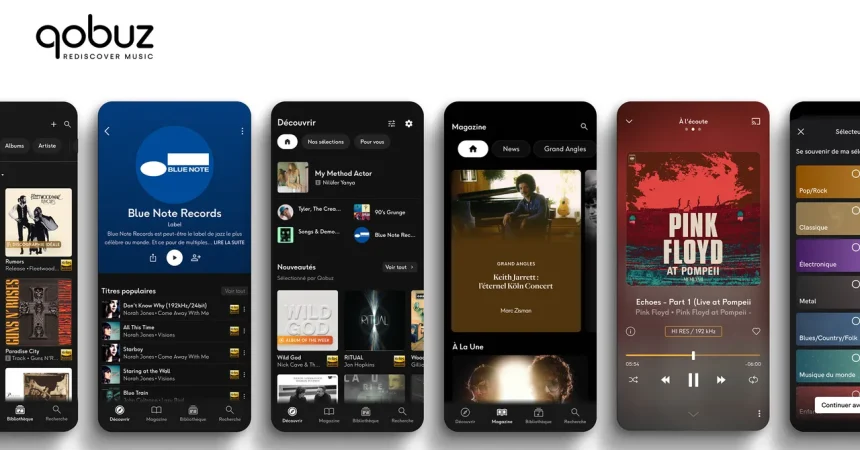
The story of Qobuz is a fascinating case study in niche resilience versus the convenience-first juggernauts of the digital age. When Dan Mackta, the company’s US managing director, attempted to build brand awareness after their 2019 domestic launch, he turned to alt-rock icon Wayne Coyne for help. The experience was quintessential of the pandemic era: a surreal shoot involving a literal space helmet and a puffer jacket that rendered Coyne effectively silent. Coyne eventually took matters into his own hands, filming his own promo to explain the phonetic pronunciation of the brand—a hurdle that perfectly encapsulates the “insider” feeling of the platform. For many modern listeners, the leap from the user-friendly familiarity of Spotify to Qobuz feels like moving from a neighborhood grocery store to a high-end audiophile boutique, complete with the trepidation of porting over years of curated playlists.
Yet, despite the inherent intimacy of their brand, Qobuz is experiencing a surge that transcends its traditional base of hardcore hi-fi enthusiasts. For years, the French company operated as a quiet pillar for those who valued high-resolution, 24-bit lossless audio above all else. However, 2025 became a pivotal watershed moment for the company. While they previously catered only to those who already understood the technical benefits of high-fidelity music, they suddenly found themselves becoming a sanctuary for listeners looking for an ethical alternative. With a catalog of over 100 million tracks, they were no longer just a luxury option for the gear-obsessed audiophile; they were becoming a primary destination for the conscientious consumer.
This momentum was accelerated by a widening public discontent with market leaders. Following the release of Liz Pelly’s Mood Machine, which critically examined the algorithmic business models of platforms like Spotify, a cultural shift began to take hold. Many artists and fans started feeling that the big platforms prioritized engagement metrics over the sanctity of the music itself. Mackta notes that for Spotify, content is often just a “means to an end.” As this sentiment spread, Qobuz saw trial numbers climb, a trend that hit a fever pitch when algorithmic missteps and tone-deaf marketing on larger platforms drove users toward smaller, artist-friendly harbors.
The numbers tell a story of quiet but significant disruption. Climbing from 500,000 subscribers to 1.2 million in just twelve months is a massive leap for a company that has been operating since 2007. While they are still a “David” compared to the “Goliath” of Spotify’s 293 million subscribers, Qobuz isn’t chasing total market domination. Their goal is far more surgical: capturing a dedicated 1 percent of the market and reaching profitability by 2027. This strategy is less about brute-force growth and more about building a sustainable, community-minded ecosystem that serves a specific type of listener who feels unrepresented by the mass-market giants.
The most compelling driver of this migration is undoubtedly the stark difference in artist compensation. While royalty structures in the streaming world are notoriously opaque and complex, the contrast between Qobuz and its competitors has reached a point that is impossible to ignore. In 2025, Qobuz took the bold, transparent step of having an independent auditor verify their average payout: approximately $18.73 per 1,000 streams. When compared to the industry standard of $3 to $5 per 1,000 streams on larger platforms, the math becomes a point of moral clarity for many artists and their fans. Qobuz is essentially betting that if they put their numbers on the table and the competitors refuse to do the same, the audience will eventually side with the platform that treats creativity as a profession rather than a commodity.
Ultimately, Qobuz represents a shift in how we think about our relationship with digital music. It proves that there is a growing segment of the population that is tired of the algorithmic treadmill—the “Mood Machines” that curate our lives according to data points rather than listening habits. By focusing on high-fidelity audio and fair payment, they have successfully pivoted from a niche hobbyist service to a legitimate refuge for the music-obsessed. While they may never replace the monolithic scale of their competitors, they have carved out a space where the listener and the artist are on the same side. In a world that often demands we trade quality for convenience, Qobuz is making a compelling case that we don’t have to settle for either.