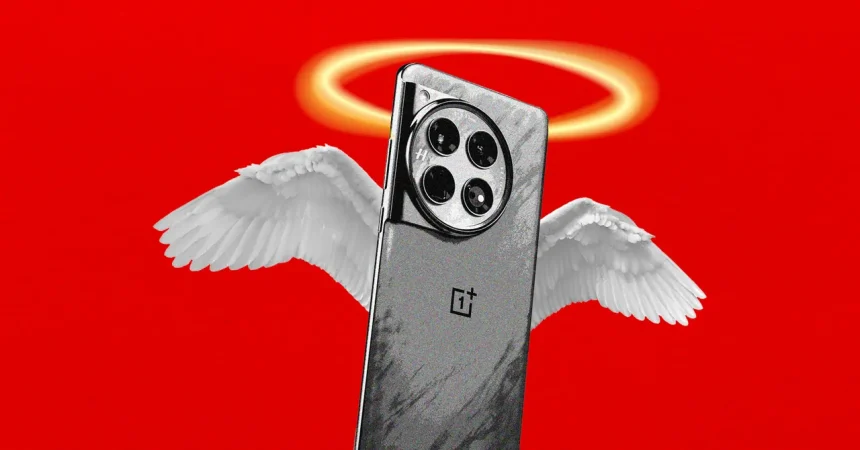
The smartphone industry is currently navigating a perfect storm, and the recent news regarding OnePlus is a stark indicator of just how turbulent the landscape has become. We are witnessing a historic slump in global device shipments—the sharpest decline in over a decade—largely fueled by a brutal memory chip crisis. As the global AI surge consumes the world’s supply of RAM, smaller manufacturers are finding themselves pushed out, while the industry as a whole struggles to maintain hardware momentum. For a company like OnePlus, which once prided itself on being an agile challenger, this supply chain squeeze has served as the final chapter in a long, difficult struggle to remain viable in an increasingly consolidated global market.
To understand OnePlus’ retreat, one must look at its complicated history of pricing and partnerships. For many years, the brand thrived on a “flagship killer” image, offering high-end hardware at accessible price points that disrupted the status quo. However, as the brand attempted to pivot toward more premium, higher-margin models, it stumbled into an identity crisis. When T-Mobile, a crucial gateway for US smartphone sales, ended its partnership with the company in 2023, the floor fell out from under their American operations. The numbers are staggering: in just six years, the company plummeted from over a million US shipments to a mere 130,000, illustrating how impossible it is to sustain a consumer electronics presence in the US without direct carrier support.
When you look at the macro trends, the American smartphone market is effectively becoming a two-horse race. While Apple and Samsung have successfully consolidated their grip, capturing a combined 80 percent of the US market, companies like OnePlus have seen their once-promising footprints evaporate. The strategy of using aggressive pricing to build a loyal fanbase, only to hike prices later to achieve profitability, is a gamble that rarely pays off unless you have the massive infrastructure and brand prestige of the industry titans. OnePlus tried to climb that mountain, but discovered that when you start charging “premium” prices, consumers naturally prefer to stick with the brands they already trust.
The geography of the smartphone business is also shifting beneath our feet. Only a few years ago, the US was a core pillar of OnePlus’s success, accounting for nearly a quarter of its global inventory. Today, that base has effectively evaporated, and the company has been forced to retreat to its home turf. Currently, over half of its shipments are tethered to China, with the vast majority of its remaining global footprint restricted to the broader Asia-Pacific region. This pivot makes business sense from a logistical standpoint—capitalizing on the markets where the brand still has cultural and retail relevance—but it signals a definitive end to its ambitions of being a truly global, Western-facing powerhouse.
This consolidation is deeply unfortunate for the average tech enthusiast. Chinese hardware manufacturers have historically acted as the industry’s “R&D labs,” often leading the world in experimental hardware like advanced silicon-carbon batteries and rapid-charging tech. With OnePlus joining companies like LG, HTC, and Sony in scaling back or exiting the mobile space, the variety of choices available to US consumers has shriveled. We are entering an era where the smartphone market is becoming increasingly sterile, with fewer companies willing or able to challenge the status quo, leaving users with less innovation and fewer alternatives to the established duopoly.
Ultimately, the story of OnePlus serves as a cautionary tale about the brutal realities of the tech sector in 2026. Hardware is a punishingly low-margin game, and in a market where geopolitical tensions and supply shortages dictate survival, the room for error has vanished. While it is a pity to see a brand lose its edge and its reach, it is also an inevitable outcome of the current economic environment. As we look at the landscape ahead, the list of fallen mobile veterans—Meizu, HMD, and now OnePlus—confirms that the era of the “disruptor” in the smartphone industry is coming to a close, at least in the United States, leaving behind a market that is as predictable as it is restrictive.