The Motorola Signature 27 arrives with a quiet confidence, as if it knows exactly what it wants to be: a phone that makes you stop scrolling, look up, and take notice. In a market where so many flagship handsets feel like variations on the same dark, glassy rectangle, Motorola is betting that the display is the first thing you’ll fall for. And it’s a strong bet. The centerpiece is a gorgeous 6.8-inch screen, which Motorola calls an “Extreme AMOLED Duo” panel. That name is a mouthful, but the idea behind it is genuinely interesting. Instead of using a single OLED layer, this display stacks two panels on top of each other, a technique we’ve seen Apple adopt in its high-end iPad Pro and touchscreen MacBook models. The payoff is a display that can behave differently depending on what you’re doing: brighter when you need it, more efficient when you don’t, and dramatically more durable over time. Motorola says this design extends the screen’s lifespan by 121 percent compared with regular AMOLED panels, which matters to anyone who’s ever felt a phone age too quickly. Add in a sharp 1.5K resolution, Dolby Vision support for cinematic HDR content, and Pantone-validated color calibration, and the Signature 27 is clearly aiming to be a visual treat for everything from casual scrolling to late-night movie binges. The screen feels like the warm handshake before the conversation begins.
Of course, any conversation about this phone has to address the elephant in the room: brightness. Motorola makes a bold claim that this display can hit a peak brightness of 12,000 nits, which sounds absolutely blinding. To put that in perspective, most premium smartphones today top out at around 3,600 nits, which is already more than enough to comfortably read your screen in harsh sunlight. Apple’s latest displays peak at roughly 2,000 nits. Chinese manufacturers like Honor and Huawei have thrown around numbers like 10,000 nits, but those figures usually apply to a tiny portion of the screen for a fraction of a second during HDR playback, not to the entire display sitting on your home screen. So when Motorola says 12,000 nits, it’s important to take that number with a grain of salt. It’s impressive on paper, but real-world usage won’t have you reaching for sunglasses. What’s more meaningful is the technology underneath, because the tandem OLED approach genuinely does offer benefits beyond raw numbers. By layering two panels, the phone can deliver the same brightness while drawing less power, which can translate into better battery life over the course of a day. It also reduces the amount of stress on each individual panel, helping the screen stay healthy and consistent for years rather than losing its vibrancy after the first twelve months. The Signature 27’s display may not literally scorch your eyeballs, but it’s a thoughtful, modern screen that feels like a genuine upgrade, not just a spec sheet talking point.
The camera system is where Motorola is hoping to rewrite its reputation. For a long time, the company’s phones were known for clean software and reasonable prices, but cameras were always a step behind leaders like Apple, Samsung, and Google. With the Signature 27, that story may be changing. The main shooter is a 50-megapixel Sony sensor, the Lytia L910, which is notable because it includes something called LOFIC, or Lateral Overflow Integration Capacitor, technology. That sounds deeply technical, but the practical effect is simple: it helps the camera handle harsh lighting with far more grace. In the past, a bright sky and a dark foreground in the same scene forced the camera to choose between blowing out the highlights or crushing the shadows into black. With LOFIC, the sensor can hold onto more information in a single exposure, so you get a photo that looks closer to what your eyes actually see. That means better sunsets, better city lights at night, and better pictures of your dog standing in front of a bright window. It’s the kind of subtle improvement that doesn’t show up in marketing buzzwords but becomes obvious when you look at your photos later and notice how much detail survived. Motorola calls this approach challenging lighting conditions, but really it’s about everyday life: golden hour portraits, neon signs, indoor events with mixed lighting, and all those moments that usually leave phone cameras feeling helpless.
The rest of the camera setup continues that ambitious streak. There’s a 200-megapixel periscope telephoto lens with 3× optical zoom and up to 100× digital zoom, with generative AI helping to make those long-distance shots look more usable than the grainy messes we’ve seen in the past. This is the same kind of trick that Google and Samsung have been perfecting, where software steps in to clean up what the lens can’t physically capture. It won’t make a 100× zoom look like a professional telephoto shot, but it can be surprisingly handy when you’re stuck in the back row at a concert or trying to read a sign across the street. Around the back, there’s also a 50-megapixel ultrawide camera, so you can squeeze more of the world into the frame without stepping backward. On the front, the selfie camera is also 50 megapixels and supports 4K video, which is reassuring for anyone who loves making vlogs or taking video calls. Speaking of video, Motorola says its new video enhancement engine uses AI to optimize color, contrast, and dynamic range frame by frame. Combined with improved stabilization, this should make your handheld walking shots look smoother and more controlled. In a world where our phones are our primary cameras for everything from vacations to family moments, the Signature 27 appears ready to handle real life without constant fussing with settings.
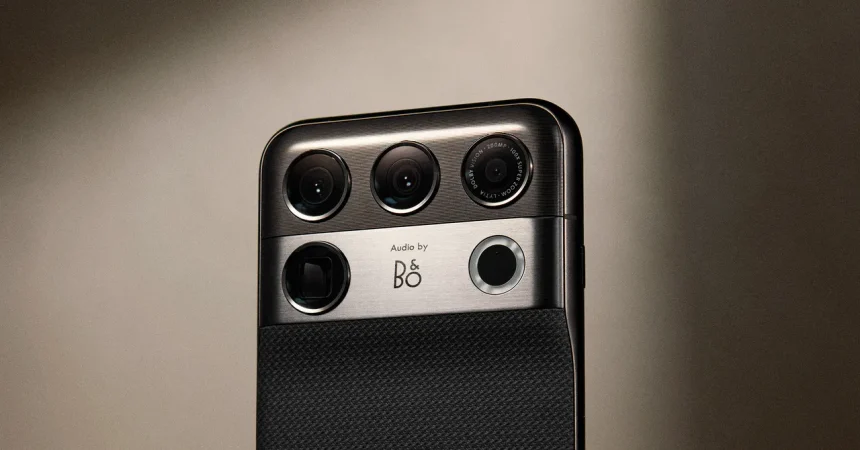
Now, about that weird little extra on the back. If you look closely, you might swear there are four camera lenses, but that’s not exactly true. The fourth module isn’t a camera at all; it’s a dedicated “Event-Based Vision Sensor,” or EVS, which Motorola claims is a first for a smartphone. This sensor is purpose-built for one thing: detecting motion. Instead of capturing a normal photo or video frame, it watches for changes in the scene in real time, like a racing official with a stopwatch. It works with Motorola’s Action Shot mode to freeze moving subjects, whether that’s a sprinter crossing the finish line, a child jumping into a pool, or a car speeding down the highway. In the past, capturing that kind of shot with a phone often resulted in blurry disaster or a burst of twenty photos where only one is usable. The EVS sensor helps the camera zero in on the right instant, making action photography feel less like a gamble and more like a calculated capture. It’s a clever idea, and it’s exactly the kind of niche feature that can make a phone feel special rather than just another catalog of components. Whether it works flawlessly in the real world remains to be tested, but it shows that Motorola is thinking about the problems people actually encounter when they try to photograph their fast-moving lives. It’s not just about specs; it’s about solving moments that matter.
Under the hood, the Signature 27 is no slouch either. It’s among the first phones to use the Qualcomm Snapdragon 8 Elite Extreme Gen 6 chip, which was announced in September and is expected to power most flagship Android devices in 2027. That tells you just how far ahead this phone is looking. This processor is meant to handle demanding games, heavy multitasking, and advanced AI tasks without breaking a sweat. To keep all that power from turning the phone into a hot little brick, Motorola has increased the size of its thermal chamber by 40 percent, which should help the phone maintain performance over longer sessions. Whether you’re streaming, gaming, or editing videos, the Signature 27 is built to stay cool and fast when it matters. It comes with 12GB of RAM and 512GB of storage, which is plenty for most people, and leaves room for years of apps, photos, and media. At the end of the day, the Motorola Signature 27 is a phone that feels like a genuine flagship, not just on paper, but in the way it approaches design. It’s not perfect, and some of its claims should be taken with a grain of salt, especially the brightness numbers. But it represents something worth applauding: a company willing to push boundaries, solve real problems, and remind us that even in a mature market, there’s still room for fresh ideas. Whether it becomes your next phone depends on how much you value that screen and those cameras, but one thing is clear: Motorola is back in the serious conversation.