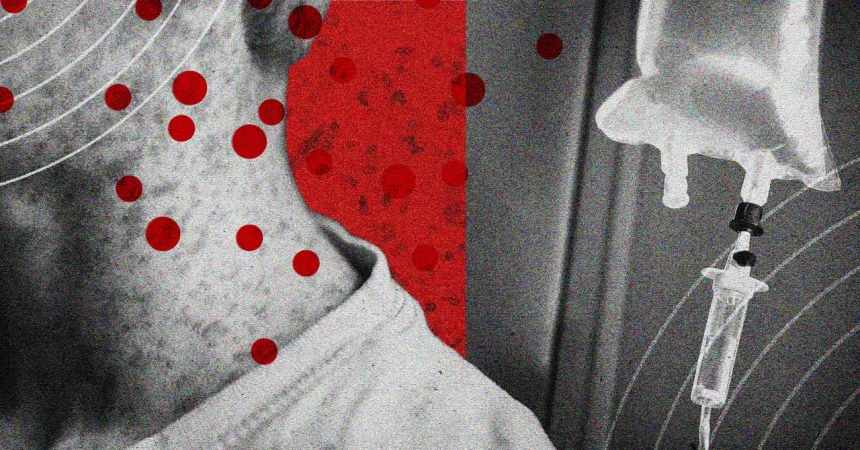
The resurgence of measles in the United States, once thought to be a conquered foe, has triggered an urgent scientific race to develop life-saving treatments. As vaccination rates fluctuate, experts like Erica Saphire emphasize that investing in preemptive medical tools is far more economical and humane than the devastating costs—both financial and emotional—of managing large-scale outbreaks or the heart-wrenching loss of a child to encephalitis. With some models warning that measles could become endemic in America within the next 25 years, the medical community is shifting focus toward monoclonal antibodies and oral antivirals as critical safety nets for a society struggling with declining immunization coverage.
At the forefront of this effort is the Vanderbilt Center for Antibody Therapeutics, led by immunologist James Crowe. Building on the accelerated success of Covid-19 treatments, which were developed in mere weeks, researchers are designing a “cocktail” of two potent monoclonal antibodies. By targeting the measles virus from two fronts, the goal is to make it nearly impossible for the pathogen to mutate and escape treatment. Dr. Crowe envisions these antibodies being formulated into a single, long-acting shot, offering a powerful tool to neutralize the virus before it can ravage a patient’s immune system, potentially serving as a vital shield for those who cannot be vaccinated for medical reasons.
However, the path from the laboratory to the pharmacy is rarely linear or inexpensive. The logistics of monoclonal antibody treatments present a dual challenge: they are notoriously high-cost to produce and administer, as seen during the pandemic when federal expenditures reached hundreds of millions of dollars. Even when the drug itself is government-subsidized, patients often face steep “administration fees” that make access unequal. Furthermore, clinical trials for these new therapies face a regulatory paradox: standard protocols require testing on adults before pediatric use, yet it is younger children who are the most vulnerable to measles-related hospitalizations. Balancing safety regulations with the desperate need to protect the most susceptible requires a delicate, innovative approach to clinical trial design.
Beyond antibodies, researchers at Georgia State University are exploring the potential of oral antivirals. These medications, which have already shown promise in animal models of related viruses, are designed to aggressively lower viral loads. While antivirals are often less durable than antibodies—usually requiring administration at the immediate onset of symptoms to be effective—they offer a potentially more accessible, pill-based solution. The primary hurdle in their development, aside from proving efficacy in human trials, is toxicity. Striking the balance between creating a compound lethal enough to wipe out a virus without triggering severe systemic side effects for the human host remains a significant scientific hurdle.
The true challenge, however, may not be found in a petri dish but in the public sphere. We are currently navigating a climate where science-based medicine has become a lightning rod for ideological debate, and anti-vaccine sentiment has moved from the fringes into the mainstream. Some advocates hope that monoclonal antibodies might gain more public trust than vaccines because they mimic molecules the human body produces naturally. Yet, real-world events—such as parents refusing the administration of immune globulin during recent outbreaks—suggest that the barrier isn’t just about labels; it is about a profound, growing distrust of established medical institutions and health authorities.
Ultimately, the goal of this research is not to replace the measles vaccine, but to provide an essential layer of protection as societal trust in immunizations frays. With leading health officials casting doubt on established medical consensus, the professional imperative to finalize these treatments becomes even more pressing. As Dr. Crowe starkly warns, the trajectory of declining vaccination rates points toward a future with hundreds of thousands of avoidable infections and, inevitably, more tragic deaths. Researching these remedies is a moral obligation, a form of public health triage designed to save as many lives as possible, regardless of the daunting political or social headwinds currently working against science.