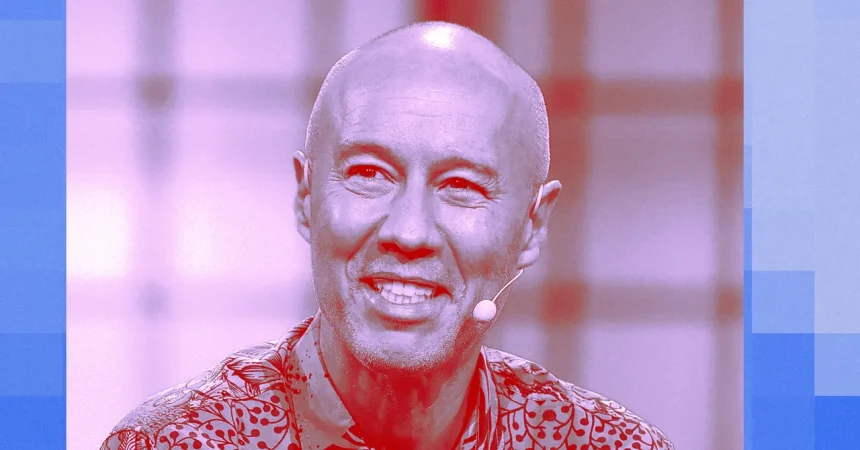
Three years ago, Lyft was staring down a terminal decline, pinned in the shadows of its monolithic rival, Uber. Internal leadership was struggling to find a path forward, and the company’s future looked increasingly bleak. In a pivotal bid for survival, the board recruited David Risher, a veteran of tech giants like Amazon and Microsoft, to take the helm in March 2023. Risher’s arrival marked a distinct shift from the company’s founder-led era, ushering in a culture fixated on operational rigor and aggressive innovation. By diversifying into new international markets, forming strategic partnerships with tech leaders like Waymo and Nvidia, and prioritizing the needs of drivers, Risher has successfully pulled the company back from the brink of irrelevance.
Risher’s management philosophy is deeply rooted in the “Bezos school” of thought, which prioritizes absolute customer obsession above all else. When he stepped into the CEO role, he faced a sobering reality: Lyft was bleeding $300 million a year and hemorrhaging market share. To stop the slide, Risher forced the company to become ruthlessly efficient, cutting unnecessary fat to lower prices for riders while simultaneously increasing pay for drivers. Recognizing that a frustrated, underpaid driver is a liability to the brand, he made driver satisfaction a cornerstone of the company’s recovery. The result has been a tangible turnaround—Lyft is now profitable, driver retention is at an all-time high, and their share of the market has crept back up to around 31 percent.
Despite these clear successes, the skepticism surrounding Lyft remains high, largely due to its persistent second-place status. The financial markets have been wary, with the company’s stock price struggling despite its quarterly growth. This market hesitation is fueled by a broader, almost existential skepticism about the ride-sharing industry. When headlines imply that Lyft is the poster child for a “troubled company” or a cautionary tale, it highlights the uphill battle Risher faces in resetting the narrative. However, Risher rejects the idea that being second in a two-player race is necessarily a failure, framing the industry not as a zero-sum game against Uber, but as a massive conversion opportunity away from private car ownership.
Risher’s vision for the future hinges on the massive, untapped potential of the 160 billion rides currently taken in personal vehicles each year. He argues that ride-sharing is still in its infancy, and that as long as Lyft continues to provide faster pickups and fewer cancellations, they can win over the cost-conscious commuter. His strategy, dubbed “Save Money, Check Lyft,” is designed to change consumer habits by positioning Lyft as the rational choice for anyone who bothers to compare pricing. Risher is confident that if riders consistently shopped around, Lyft would easily cross the 50 percent market share threshold, suggesting that their current standing is more a result of consumer inertia than technological inferiority.
The conversation around pricing, however, remains a point of contention for many users. While Risher maintains that the company’s algorithms are calibrated to win on price as often as possible, anecdotes about erratic surge pricing show that there is still work to be done. When asked about the growing resentment among drivers regarding the commission the platform takes, Risher is firm and transparent. He acknowledges the nostalgia for the early days when subsidies were rampant, but he draws a clear line in the sand: Lyft has committed to a cap, promising never to take more than 30 percent of a fare after insurance is handled. It is a promise intended to reset the broken trust between the company and its frontline workforce.
Ultimately, Risher is playing a long game that extends beyond standard ride-hailing. As the industry looks toward the horizon, he is actively positioning Lyft to manage future fleets of autonomous vehicles, whether those fleets are owned by major tech firms or individual car owners hoping to monetize their self-driving hardware. By evolving from a simple app into a logistical backbone for future tech, Risher hopes to move past the binary comparison to Uber. While Wall Street may be slow to celebrate, the transformation of Lyft has been undeniable. The company has survived, regained its profitability, and found a clear, albeit grueling, path to growth in a market that had essentially written them off just a few years ago.