The Evolution of Electrical Muscle Stimulation
The concept of using electricity to stimulate muscle contraction isn’t new—physical therapists have used isolated electrical muscle stimulation (EMS) for decades to treat injuries and aid in rehabilitation. But the technology has traditionally been confined to clinical settings, with bulky machines and wired electrodes that require expert supervision. The idea of bringing this technology into the home, wrapped in a garment that covers your entire body, represents a radical leap forward in personal fitness technology. It transforms what was once a medical intervention into a consumer wellness product, making it accessible to anyone willing to invest the time and money. The promise is tantalizing: a full-body workout that takes just 20 minutes, delivered through a sleek, wearable device that fits in your closet. But the reality of using such a device involves a steep learning curve, some physical discomfort, and a significant adjustment period. The technology is finally mature enough to be packaged in a user-friendly form, but it still requires a certain level of commitment and tolerance for the strange sensations that comes with electrically induced muscle contractions.
The Physical Experience of the Suit
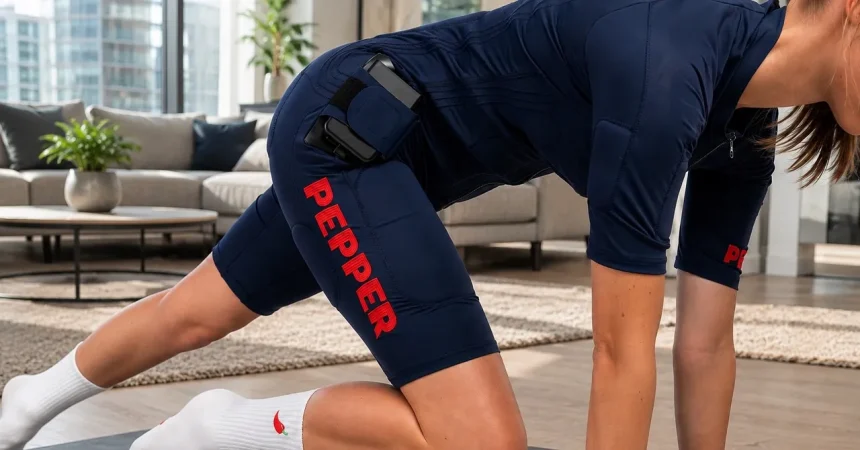
When you first see the Pepper suit, it resembles a spring-weather wetsuit, but designed to stop at the knees and elbows to allow for natural joint movement. Twenty dry electrodes are strategically placed across the major muscle groups: the abs, pecs, glutes, thighs, biceps, and multiple sections of the back. Unlike older EMS systems that required you to wet the electrodes before use, this modern incarnation relies on your body’s natural sweat to enhance electrical conduction. However, the key to proper function is an extremely tight fit—the suit comes in sizes ranging from XXXS to XXXL, and it’s designed to be worn with nothing underneath. This creates an intimate, almost clinical experience that requires some getting used to when you first put it on. The connection point is a small removable box that attaches at your hip, serving as both the control unit and the power source, charged via USB-C and capable of powering at least ten training sessions per charge. The tightness serves a practical purpose: it ensures the electrodes remain in place and maintain consistent contact with your skin throughout your movements.
Training Modalities and App Integration
The Pepper app serves as the command center for your workouts, dividing them into three distinct categories: strength, cardio, and relaxation. Each category uses a different electrode firing pattern, allowing the suit to effectively target different goals. There’s a slight quirk in the app—some workouts are available only in German—but the visual interface makes following along manageable regardless of language. Strength sessions, which are the primary focus for muscle building, follow a specific pattern: electrical pulses fire for four seconds, followed by four seconds of rest, repeating continuously for up to 24 minutes. The workouts themselves are carefully timed to match these pulses, requiring you to activate muscles while they’re being energized. This means performing full-body flexes, stretches, and crunches in rhythm with the electrical stimulation. The suit’s philosophy is that EMS works best when you’re simultaneously contracting your muscles naturally while the electrical pulses fire, so each exercise is designed to maximize both the electrical stimulus and your own muscular effort.
The Sensation of Electrical Stimulation
The initial experience of using the Pepper suit is surreal. The app gradually introduces you to the technology, starting with soft pulses that you can barely perceive. Each of the suit’s ten workout zones can be individually controlled, with power levels ranging from 1 to 100, allowing you to customize the intensity for different muscle groups. Most first-time users find that they can begin feeling the pulses around level 25, gradually increasing the intensity as they become accustomed to the sensation. The lower settings produce powerful, rapid vibrations that shake your insides—not exactly painful, but definitely noticeable. As you increase the intensity, you’ll discover that there’s a very fine line between comfortable and painful, often just one or two points on the hundred-point scale. The vibrations can transform into sharp, jolting shocks that feel almost paralytic if you push too far. This requires constant adjustment during your initial sessions, dialing levels up and down to find that sweet spot where you’re getting maximum stimulation without crossing into genuine discomfort.
The Workout Experience and Recovery
Using the Pepper suit for actual exercise sessions creates a unique workout experience unlike anything else in fitness. The EMS pulses force your muscles to contract involuntarily while you’re also consciously performing exercises, creating a double stimulus that can be surprisingly fatiguing. The recommended one-to-one ratio of work to rest means that you’re constantly alternating between intense muscular effort and brief recovery periods, maintaining elevated heart rate throughout the session. Post-workout recovery is an interesting element—the suit can be used for relaxation and recovery sessions that use different pulse patterns designed to reduce muscle tension and promote blood flow. This use of the suit after intense training sessions adds another dimension to its utility. Users report experiencing deep muscle soreness in areas that traditional workouts often miss, highlighting how EMS targets muscles that are difficult to engage through conventional exercise. The ability to control stimulation levels individually for different body parts allows you to focus on weak areas or give extra attention to larger muscle groups that require more intensity.
Practical Considerations and Final Verdict
After extensive testing across multiple weeks, the Pepper suit proves to be most effective when used consistently and in combination with a balanced fitness routine. The cost is substantial—the suit retails at $1,999 with a required app subscription at $79 per month—which makes it a significant investment that requires commitment to justify. The personal considerations are equally important: the device is not suitable for individuals who are pregnant or have pacemakers, and the necessity of wearing nothing underneath limits when and where you can use it. The most effective approach involves incorporating EMS sessions two or three times per week, allowing your muscles time to recover between sessions. It’s an excellent tool for those with limited time who want to maximize workout efficiency, or athletes looking to supplement their training with technology that targets muscle fibers that might be difficult to engage through traditional exercise. The experience of using the suit evolves significantly, from initial discomfort and constant adjustment to becoming almost natural and integrated into your routine. As your muscles adapt, you can gradually increase the intensity, always finding that balance between effective stimulation and genuine comfort. The kit includes everything you need to get started, and the technology continues to evolve with new workouts and features. The suit isn’t a replacement for traditional exercise, but it offers a unique complement that can help you achieve fitness goals more efficiently and effectively than conventional methods alone.