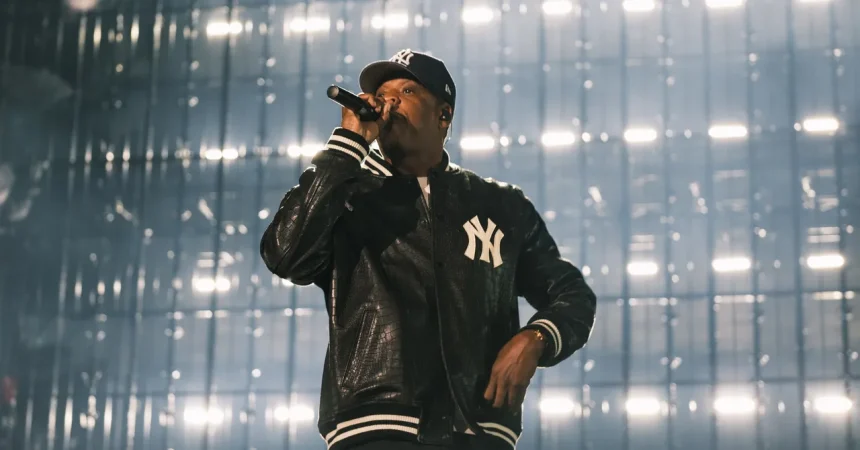
Managing a venue as legendary as Yankee Stadium is an exercise in extreme scarcity. Mark Krug, the man behind the curtain, is tasked with balancing a grueling schedule of Major League Baseball and NYCFC soccer matches, leaving only a tiny sliver of time for concerts. This tight window dictates a “quality over quantity” philosophy; because they only get one or two shots a year to host a major musical event, they have to be incredibly selective. Whether it’s an icon like Paul McCartney or a juggernaut like Madonna, every booking is treated as a high-stakes, once-in-a-lifetime occurrence. For Krug, the effort is entirely worth it because the rarity of these events transforms a simple concert into a cultural landmark.
We are living in an era where the digital world feels increasingly automated, yet our collective thirst for “IRL” (in-real-life) experiences is stronger than ever. From the electric atmosphere of a Knicks playoff run to the communal intensity of a World Cup match, people are craving tangible, shared history. These moments provide a grounded sense of reality that a screen simply cannot replicate. Even globally massive events like the prospect of a high-profile celebrity wedding or a legacy anniversary concert series tap into this longing. We don’t just want to watch the stream; we want to breathe the same air as the people on stage and feel the vibration of the crowd in our own bones.
Ironically, the rise of artificial intelligence has only deepened this human appreciation for live art. A recent study by the Royal Philharmonic Orchestra revealed a fascinating statistic: 78 percent of people believe that human creativity is an untouchable fortress that AI will never truly penetrate. This sentiment is manifesting in how artists interact with their fans, too. Musicians like Phoebe Bridgers are actively encouraging smartphone-free concerts, pushing back against the culture of recording every second for social media in favor of fostering a raw, intimate, and unfiltered connection between the performer and the audience. It’s a quiet rebellion against the digital noise, reminding us that being “present” is a radical act.
Jay-Z’s return to his hometown for his anniversary shows isn’t just a concert; it’s an elaborate love letter to New York City. By treating the milestones of Reasonable Doubt and The Blueprint as local celebrations, he has stitched his legacy into the fabric of the city itself. This strategy goes far beyond a single night at the stadium. By partnering with the Brooklyn Public Library for commemorative cards, taking over the subway systems, and hosting pop-up shops in the very spots where his early music videos were filmed, he’s turned the city into a living, breathing museum of his career. It’s a masterclass in community engagement that makes the commercial powerhouse feel surprisingly personal.
According to Isra Ali, a professor of media, culture, and communication at NYU Steinhardt, this trend points to a fundamental shift in human behavior: we are starving for authenticity. In a world where so much of what we consume is algorithmically generated or curated for maximum digital engagement, the intrinsic value of physical, in-person contact has skyrocketed. When we gather in a crowd, the “human” element becomes the main attraction. Authenticity is the new currency, and Jay-Z’s ability to turn a stadium tour into a local neighborhood experience proves that he understands that connection is worth far more than the spectacle itself.
Ultimately, these anniversary shows serve as a powerful tether for one of the most successful artists in history. Despite his status as a titan of industry and a global icon, Jay-Z has found a way to re-center himself within the hometown crowd that propelled him to success in the first place. By shrinking the distance between “untouchable superstar” and the local fan, he proves that even at the highest levels of fame, the heart of the music lies in the community. It is a reminder that while the music may live on streaming platforms, the soul of the art will always be found in the room, in the city, and among the people who were there from the beginning.