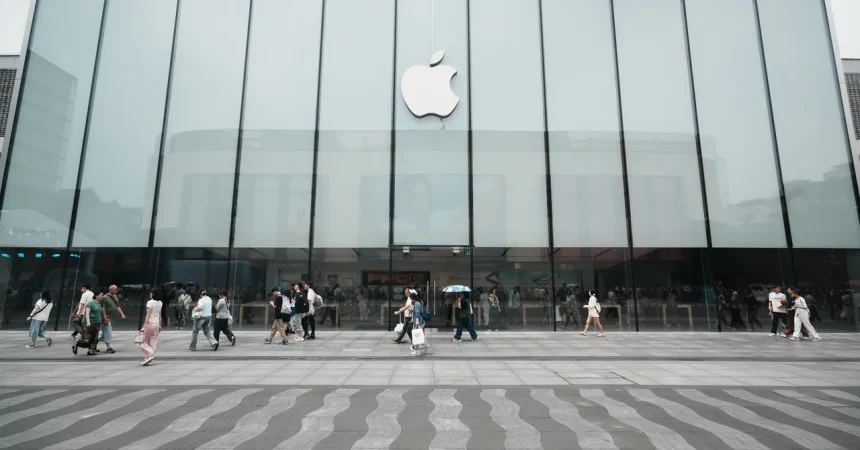
If you have been eyeing a new laptop, tablet, or gaming console, you might want to stop waiting and start shopping. We are currently witnessing a steady, aggressive climb in the price of consumer electronics, and it isn’t showing signs of slowing down. From Apple raising costs on MacBooks and iPads to the recent jump in Xbox console prices, the trend is becoming impossible to ignore. These hikes are being compounded by the rising costs of fuel and shipping, creating a perfect storm for your wallet. If you have been hoping that these price tags would return to historical lows, the reality of the current market suggests that waiting is no longer a viable financial strategy.
The primary force driving this inflation is a persistent, global memory chip shortage. As the tech industry pivots its manufacturing capacity toward the massive demands of Artificial Intelligence and high-end data centers, the production of chips for standard consumer devices has been pushed to the sidelines. Unlike typical market fluctuations that resolve quickly, this bottleneck is tied to a fundamental shift in how hardware components are prioritized. Because this is not a short-term blip, manufacturers are finding they can no longer absorb these overhead costs. Consequently, they are passing the burden of these expensive components directly onto the consumer, leading to what many experts fear will be the “new normal” for technology pricing.
Industry analysts emphasize that there is a level of intentional coordination behind these price adjustments. Companies are carefully watching the market and reacting in lockstep, meaning that when one sector sees a hike, others quickly follow suit. While it might be tempting to hold off on a purchase in hopes of a future discount, experts warn that the current prices may actually be the most favorable we will see for a long time. If you have been tracking a particular device that hasn’t seen a price increase yet, it is likely just a matter of time before it does. In this climate, if you find a product at its current price, it is often safer to secure it now rather than banking on a future sale.
The financial pressure of these rising costs is, understandably, causing significant anxiety for households, especially as major spending seasons like back-to-school and the holidays approach. This fear of continued inflation is paradoxically creating a “panic-buying” cycle, where consumers feel urged to upgrade their devices sooner than they otherwise would—not because they necessarily need the feature update, but because they are terrified that prices will be even higher in six months. This behavior is understandable, yet it places immense strain on personal budgets and deepens the cycle of demand that keeps prices elevated.
However, there is a silver lining to this challenging landscape: the secondary market is enjoying an unprecedented boom. Because demand for new hardware is high and supply is thin, refurbished and secondhand tech has become the smartest way to bypass the current price hikes. Platforms like Back Market are seeing a surge in consumers who are finally embracing refurbished gear as a legitimate alternative to buying expensive, brand-new devices. This shift is not just a financial win; it’s an environmental one. By keeping used devices in circulation, we are preventing perfectly functional technology from ending up in landfills, turning a period of economic frustration into a more sustainable way of consuming tech.
Interestingly, this surge in demand for refurbished goods has actually increased the value of the tech you currently own. Because retailers are scrambling for inventory, used smartphones and laptops are holding their value—and in some cases, appreciating—far beyond what would be expected in a normal year. This presents a unique opportunity for you to leverage your existing gear. Whether you use manufacturer trade-in programs or sell your old devices on third-party marketplaces, you will likely get a much higher return than ever before. In a market where everything costs more, turning your unused tech into cash is a savvy way to offset the cost of that inevitable new purchase.