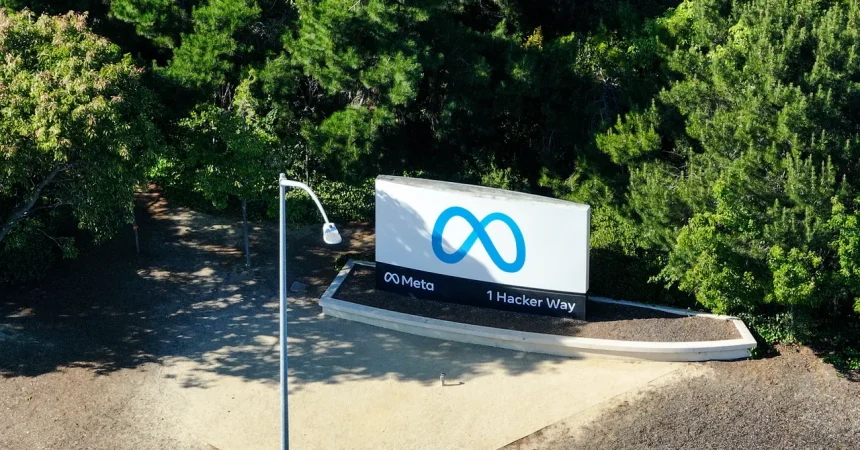
The recent report that a former Meta employee—who was let go during the company’s May 20 layoffs—has been detained by US immigration authorities serves as a harrowing reminder of the fragility inherent in the lives of high-skilled foreign workers. Internal communications within Meta, shared with WIRED, show that the news surfaced via an “urgent” post on an internal messaging board, where employees scrambled to escalate the situation to company executives. While the specific details regarding the worker’s nationality, visa status, or the agency responsible for their detention remain unconfirmed, the incident has sent a shockwave through the tech community. It highlights a painful vulnerability: for many, job security isn’t just about a paycheck; it is the thin thread preventing deportation and the sudden, forced uprooting of a life built in the United States.
At the heart of this crisis is the precarious nature of the H-1B visa program, which ties an individual’s legal right to reside in the country directly to their employment. When a tech giant like Meta executes massive layoffs—such as the recent cull of nearly 8,000 employees to pivot toward AI infrastructure—workers on these visas are not merely losing a job; they are often facing an immediate, ticking clock. To maintain status, many must secure new employment or finalize complex paperwork that often requires traveling abroad to re-enter the country. This necessity transforms a routine transition into a high-stakes gamble. The rumor that the detained employee was held in El Paso, near a major consulate, suggests that they may have been attempting to navigate this treacherous bureaucratic process when they were intercepted, turning a professional transition into a potential nightmare.
The lack of clarity from official channels, including both Meta and federal agencies like ICE or the Department of Homeland Security, has only deepened the anxiety among the workforce. For Meta’s international staff, this silence is deafening. While the company maintains its focus on corporate efficiency and efficiency, the human cost is becoming increasingly visible to those on the ground. The incident marks a disturbing shift; while tech offices themselves have historically been treated as relatively insulated from the aggressive immigration enforcement seen under the current administration, the reality is now bleeding into the lives of employees. The arrest of two workers at a Meta construction site earlier this year was an omen that the boundary between professional workspace and enforcement zone is becoming dangerously porous.
In the wake of this news, a grassroots movement has begun to coalesce among Meta employees who feel the company’s formal responses are insufficient. These workers are no longer waiting for corporate HR to lead the way; they are organizing their own networks to provide financial and logistical support for colleagues who find themselves in the crosshairs of immigration authorities. Their demands are practical and urgent: they are calling for legal fee coverage and the creation of “safe zones” where workers can feel secure from the threat of sudden detention. This internal pressure group represents a growing realization that in an era of heightened enforcement, relying solely on corporate policy for