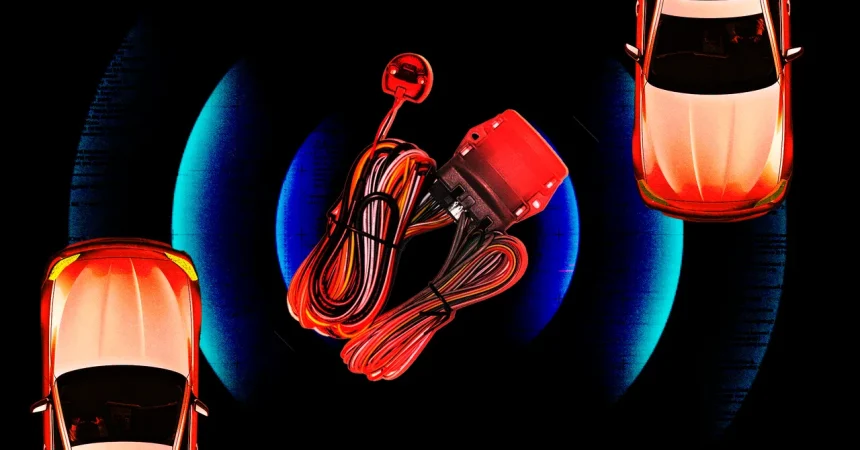
We have reached an era where modern automobiles are less like traditional machines and more like sprawling, multi-ton computers hurtling down the highway. As our vehicles become increasingly integrated with the digital world, we’ve begun to accept that they, like our smartphones and laptops, require periodic software updates to stay secure. However, a jarring reality has recently come to light: many of us don’t just have to worry about the updates our manufacturers provide. We are now being forced to contend with “shadow” software—vulnerable, third-party components hidden deep within our vehicles’ sensitive electrical systems that we never asked for, never paid for, and, in many cases, don’t even realize are there.
This alarming situation was uncovered by a team of researchers at UC San Diego, who stumbled upon a critical security flaw in a common aftermarket product known as the KARR Security System. These devices, which are installed in an estimated two million vehicles across the United States, were designed to prevent theft while cars sit on dealership lots. However, when these vehicles are sold, the devices are frequently left behind, effectively acting as an unmonitored digital back door. The researchers discovered that anyone within Bluetooth range of these vehicles could exploit the device’s radio commands to perform a variety of malicious hacks, including silently unlocking the doors, disabling the alarm, triggering the horn and lights, or, most terrifyingly, killing the engine while the car is in use, leaving the driver stranded.
The irony of the KARR system is that it was sold to dealerships as a security asset, yet it has become a profound digital liability. Because these alarms are installed by dealers rather than the car manufacturers themselves, the supply chain for these devices is opaque. Many consumers unknowingly drive off the lot with these systems hardwired into their car’s critical command centers. When the original buyer declines the “security package” during the sales process, the hardware is often simply deactivated or ignored, but it remains physically present and connected. This creates a hidden, hackable landscape in millions of driveways, where unsuspecting owners are now effectively responsible for patching a sophisticated exploit they never requested.
Aaron Schulman, the computer science professor who led the UCSD study, has expressed deep concern regarding the scale of the risk. He notes that while the intent behind the KARR system was to enhance fleet management and security, the implementation has created a systemic vulnerability that puts millions of drivers at risk of unauthorized access and manipulation. The research team is now working urgently to get the word out, emphasizing that this isn’t a theoretical threat to be handled by engineers, but a practical, immediate safety issue that requires the attention of anyone currently behind the wheel. The fact that an aftermarket add-on can exert such control over a vehicle’s core operations highlights the dangerous disconnect between consumer vehicle ownership and the complex, often hidden, ecosystem of third-party hardware.
In response to the UCSD findings, the parent company, Acrisure Protection Group, has released a firmware update to address the Bluetooth-related security gaps. For those who already have the KARR mobile app installed, the update process should be relatively straightforward. However, for the millions of people who don’t know the device is in their car, the process is far more daunting. To check if your vehicle is affected, you should look for subtle indicators, such as a “KARR” or “SWDS” (SouthWest Dealer Services) sticker on the driver’s side window, or a small, aftermarket button with a blinking light tucked under the dashboard. If found, owners must download the KARR mobile app and manually trigger the firmware update through the customer service menu to secure their vehicle.
Ultimately, this discovery serves as a loud wake-up call regarding the “hidden architecture” of modern life. When we buy a car, we often assume that what is under the hood is known and authorized by the manufacturer, but the prevalence of the KARR system reveals a different story—one where our private property has been modified by middlemen without our express consent. As we continue to integrate more technology into our daily lives, we must demand greater transparency regarding what exactly is being installed in our vehicles and who is responsible for keeping that software safe. Until then, it is up to the individual driver to stay vigilant, inspect their own vehicles, and remain proactive in protecting their security in an increasingly connected, and vulnerable, world.