Maintaining a perfectly comfortable 68-degree indoor climate is a dream for many, but for those of us living in older, sprawling homes, it often feels like a reckless financial gamble. My own residence is a 1906-built beauty in Kansas City, a city defined by a brutal, humid continental climate that swings violently between frozen pipes and stifling, sweltering heat waves. Because my home lacks the modern insulation found in newer builds, the task of keeping it at a steady, “perfect” temperature is a losing battle against physics. With only about 20 days of truly comfortable, open-window weather throughout the year, I spent far too much of my first year here bracing for the inevitable financial hit that comes with keeping an old, drafty house climate-controlled in such an unforgiving environment.
The reality of this struggle hit home last September, my first full month in the house. In a moment of optimism, I set the thermostat to my ideal temperature and ignored the potential cost, only to be met with a staggering $372 electric bill by the end of the month. It was a sobering moment that made me realize I either had to compromise on my comfort or find a more sophisticated way to manage my energy consumption. Facing a choice between sacrificing my preferred environment or potentially selling my own blood plasma to keep the air conditioner running, I began scouting for a middle ground that would allow me to maintain my lifestyle without the crushing monthly premiums.
The solution, as I discovered, lies in modern technology that is rapidly moving from the world of hardcore “preppers” into the realm of the everyday homeowner: the whole-home battery backup. For someone in my position, a battery system isn’t just about surviving a natural disaster—it is a strategic financial tool. While many assume these setups are purely for the off-grid obsessed or solar enthusiasts, they are becoming an essential appliance for managing modern utility costs. By allowing a homeowner to store electricity when it is cheap and draw from it when rates spike, these batteries transform how we interact with our utility providers, effectively turning a house into its own micro-power grid.
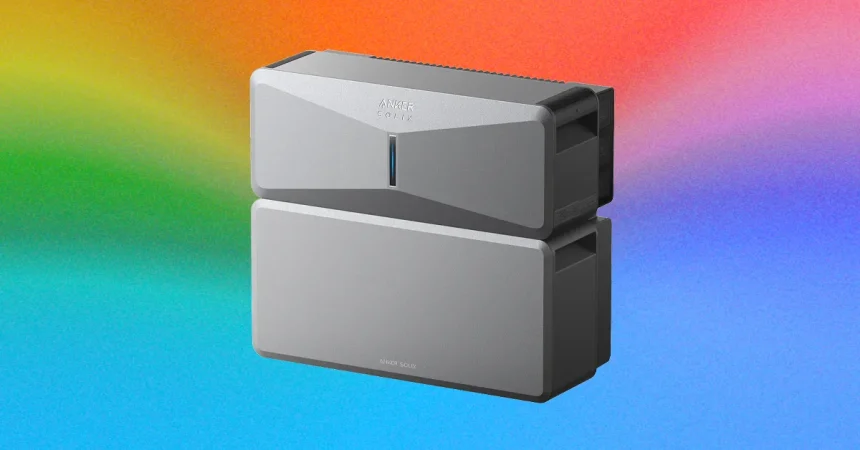
To put this hypothesis to the test, I installed the Anker Solix E10 system, a $7,200 configuration consisting of two batteries and a power dock. While that price tag certainly isn’t pocket change, it is arguably more practical than my tongue-in-cheek alternative: selling my house and moving permanently to the California coast. I estimate that the system will pay for itself within five years, which feels like a bargain when compared to the compounding cost of traditional utility bills over the next decade. Beyond the raw math, there is a profound sense of independence that comes with knowing the system is actively working to lower my overhead every single day by decoupling my usage from the utility company’s pricing whims.
The desperation for such systems is fueled by the aggressive “time-of-use” billing models many utility companies have adopted. Here in Kansas City, as in cities like Denver, Phoenix, and across California, power companies are essentially charging a premium during peak hours to protect their grid from strain. They want to discourage energy use at the exact moment when everyone arrives home and turns on their appliances. By automating the switch to battery power during these peak, high-cost windows, I am no longer held hostage by those punitive energy rates. The grid essentially becomes a supplement to my home’s efficiency rather than a constant, expensive drain on my wallet.
Ultimately, the goal isn’t just to save pennies, but to regain control over the environments we inhabit. We live in an era where infrastructure is struggling to keep pace with demand, leading to higher costs and less reliability for the average consumer. Investing in a home battery system allows those of us living in older, less efficient homes to bridge the gap between our desire for climate comfort and the rising cost of energy. By harnessing this technology, I’ve managed to turn my drafty, century-old house into a much more sustainable living space—ensuring that I can still enjoy my 68-degree sanctuary without the looming anxiety of an unmanageable electric bill.