The anticipation surrounding Christopher Nolan’s The Odyssey reached a fever pitch on its opening day, drawing devoted cinephiles to cinemas across the country. My own pilgrimage involved a dawn drive to a specialized 70-mm IMAX theater in the Philadelphia suburbs, where I joined a shivering, caffeinated crowd of devoted followers. However, upon arrival, we were met not with the immersive sound of the Sirens or the roar of the Aegean, but with the cold reality of a power outage. Watching the stressed theater staff frantically jotting down ticket numbers while disappointed fans lamented their wasted PTO provided a stark reminder of the fragile bridge between artistic vision and technical reality. While a cynical part of me briefly wondered if this was the work of the film’s many detractors, the reality was far more mundane: the local grid had simply buckled under recent extreme weather.
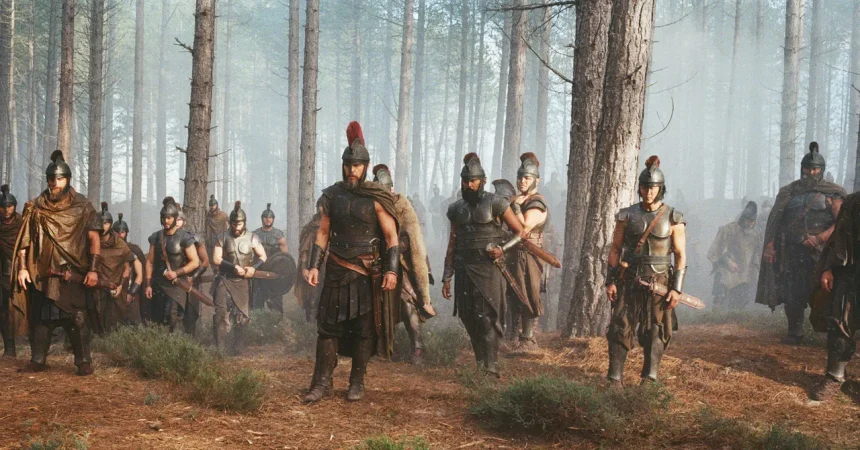
This incident highlighted the strange disconnect between the film’s actual cultural footprint and the bizarre, vitriolic backlash that has shadowed it since production began. For months, a vocal contingent of polarized internet users—frequently amplified by prominent social media voices—had labeled the film a “psyop” against Western civilization. Their grievances, which ranged from the inclusion of a diverse cast to artistic liberties like updated nautical designs and modern dialogue, painted a picture of a project actively intended to destroy tradition. By reducing a sprawling Homeric epic to a battleground for modern political anxieties, these critics attempted to frame a blockbuster as a cultural subversion, even dismissing the near-unanimous critical acclaim as a sign of institutional conspiracy.
Yet, as the dust settles on the opening weekend, it is becoming clear that these online crusades have failed to make a dent in the film’s popularity. The boycott, fueled by fabricated grievances and manufactured outrage, has been drowned out by a deafening roar of public interest. While pockets of the internet labored to downvote trailers and circulate conspiracy theories, the moviegoing public voted with their wallets. With projected global opening figures hitting the $200 million mark—poised to be the most successful non-Batman debut of Nolan’s career—the commercial reality reveals that the average viewer isn’t interested in fighting culture wars; they are interested in the spectacle of mythic storytelling.
Behind the numbers lies a fascinating, almost primal, human commitment to the cinematic experience. We are living through a moment where the “event movie” has become a true destination, with fans traveling across state lines or even international borders just to witness the film on the largest possible canvas. Stories of extreme dedication, like a woman allegedly delaying a medical procedure to ensure she didn’t miss the IMAX premiere, show just how deeply these stories still resonate. People aren’t just “content consumers”; they are participants in a ritual, willing to brave outages, long commutes, and expensive resale markets to connect with a shared piece of high-stakes human imagination.
This gulf between the terminally online backlash and the organic excitement of the audience says a great deal about the current state of cultural discourse. There is a persistent belief among certain factions that if you yell loud enough or cultivate enough digital animosity, you can influence the trajectory of art. But the success of The Odyssey suggests that audiences are far more resilient to—and perhaps bored by—this noise than pundits give them credit for. When people hear the promise of grand adventure, legendary monsters, and the timeless stakes of Homer’s narrative, they don’t stop to check the political scorecard of the casting director; they simply want to be transported.
Ultimately, you can attempt to steer the cultural conversation through downvotes and aggressive rhetoric, but you cannot suppress the basic human hunger for scale and wonder. We crave stories that reach beyond our everyday lives, and we want to see them in a setting that makes them feel larger than ourselves. While a few hundred of us were left standing in a dark, powerless lobby in Pennsylvania, the spirit of the film remained undeterred. The “Odyssey” of our time isn’t just happening on the screen; it’s occurring in the enduring, stubborn, and wonderfully irrational way we continue to show up for the movies that move us.