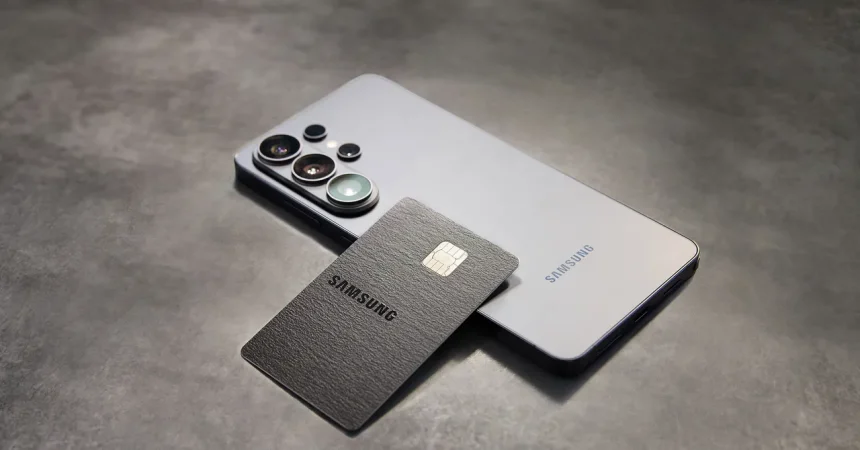
At the heart of the modern financial landscape lies a simple truth: credit cards are essentially commodities. Whether they are made of standard plastic or sleek, laser-etched titanium, they are all ultimately tools meant to facilitate a transaction. As industry experts like Riley point out, the real value of a credit card isn’t found in the card itself, but in the deliberate, strategic way a consumer chooses to wield it. To truly “win” at the credit card game, many savvy users have moved toward a specialized system—carrying one card exclusively for grocery hauls, another for online shopping, and perhaps a third for travel perks. This granular approach is designed to extract maximum value from every dollar spent, turning mundane daily expenses into a sophisticated puzzle of points and cash-back rewards.
However, there is a dangerous trap hidden inside this rewards-chasing lifestyle. Riley warns that for many, the best-laid plans fall apart when the temptation to revolve a balance takes over. The math is brutal: if you earn 3% cash back on a purchase but fail to pay your statement balance in full, the compounding interest charges will almost immediately swallow those rewards whole. Being “well-intentioned” is not enough; if you are paying interest to the bank, you are essentially paying for the privilege of earning points that are no longer profitable. The strategy only works if the balance is treated like a debit card transaction—paid off in full, every single month, without fail.
The industry is currently obsessed with “brand loyalty,” a phenomenon clearly illustrated by the varying levels of success seen with tech-giant entries like the Apple Card and the Samsung Wallet. Industry experts like Sara Rathner of NerdWallet observe that these companies are trying to tether consumers to their specific ecosystems. If you are already emotionally and financially invested in a brand—whether you are a Hyatt loyalist who needs that hotel card or a Samsung user lured by higher return rates on a mobile wallet—you are a prime target for these products. The logic is simple: if the brand makes it easy and lucrative to spend within their “garden,” you are unlikely to wander out into the broader, more competitive market of third-party financial institutions.
When we look specifically at the Apple Card—the high-profile, minimalist card that promised to revolutionize how we interact with money—the reality has been somewhat more modest. While it was arguably the “slickest” marketing rollout in credit card history, it failed to become the industry-upending challenger many expected. This is because the average household consumer is a creature of habit who typically carries a set “rotation”: a primary workhorse card, an emergency backup, and a travel-focused card. The Apple Card, while aesthetically pleasing, often struggled to wedge itself into those established spots. As Rathner notes, it eventually landed in the marketplace as just another perfectly functional cash-back card, proving that even a massive tech brand can’t easily disrupt deeply ingrained consumer behaviors.
Yet, we shouldn’t dismiss the influence of these tech entrants entirely. Even if the Apple Card didn’t change the world, it forced incumbent banks to stare at their own stagnant interfaces and outdated processes. Features that were once revolutionary—like viewing potential interest rates before a formal credit pull, instant digital activation, and receiving daily cash rewards instead of waiting for a monthly billing cycle—have set a new gold standard. It pushed the industry to prioritize user experience and transparency. When banks are forced to compete on the quality of their app or the clarity of their disclosures rather than just the APR, the consumer is the ultimate winner.
Looking forward, the success of newer integrations, such as the 3% cash-back rate on Samsung Wallet, will depend entirely on how seamlessly they fit into the friction-free rhythm of the average person’s life. If a subway commuter can earn a 3% return simply by tapping their phone at a turnstile, that is a compelling, frictionless win. As Rathner suggests, while the flashy designs and brand names grab the headlines, the real evolution is in the utility. Whether it is an Apple, Samsung, or a traditional bank card, the cards that succeed will be the ones that stop acting like “brands” and start acting like intuitive, high-value financial tools. In the end, the technology doesn’t matter nearly as much as how well a card rewards your specific lifestyle without costing you your financial discipline.