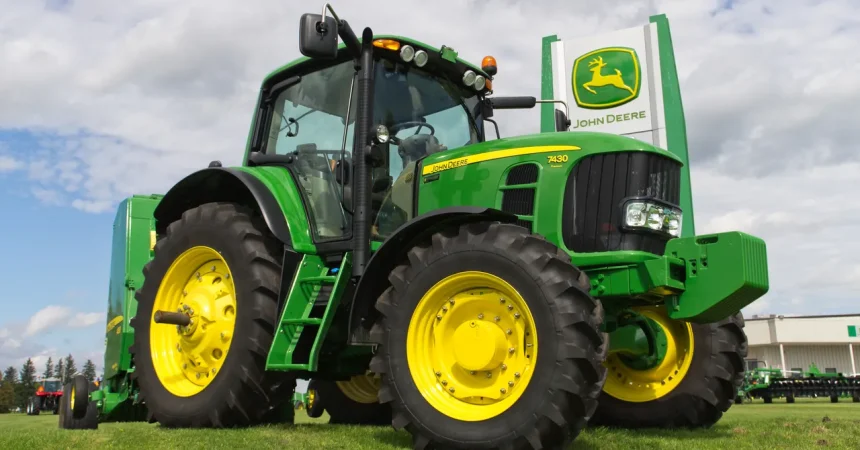
For over a decade, American farmers have been locked in a David-and-Goliath struggle against one of the most iconic names in agriculture: John Deere. At the heart of this conflict was the “right to repair,” a movement built on the simple, fundamental belief that if you own a piece of property, you should have the autonomy to fix it when it breaks. For farmers, this wasn’t just a matter of convenience; it was a matter of survival. When a combine harvester breaks down during a narrow harvest window, a single day of waiting for a factory-authorized technician can mean the difference between a successful season and a financial disaster. John Deere’s tight grip on proprietary software, tools, and diagnostic codes effectively turned owners into renters, forcing them to rely exclusively on the manufacturer for repairs that were often exorbitant in price and delayed in delivery.
This week, the tide finally turned in favor of the people working the land. The Federal Trade Commission (FTC) announced a landmark settlement that effectively ends the monopolistic stranglehold John Deere has exerted over its equipment repair market. The order mandates radical transparency, compelling the agricultural giant to grant independent repair shops and farmers the same level of access to diagnostic software, specialized equipment, and technical resources that were previously reserved exclusively for official dealerships. This isn’t just about manuals; it’s about the digital heartbeat of modern machinery. Under the terms of this ten-year oversight agreement, farmers will finally have the ability to read and reset error codes and interface with the software that controls their equipment, empowering them to bypass the long, frustrating waits that have hampered their operations for years.
The impact of this ruling cannot be overstated, as it represents a massive victory for the grassroots organizations that kept the pressure on for years. Advocacy groups like Repair.org and U.S. PIRG have spent years documenting the systemic barriers farmers faced, eventually successfully lobbying the Biden administration’s FTC, led by Lina Khan, to take decisive action. While John Deere was recently forced to pay out $99 million in separate class-action damages, advocates are clear that this FTC settlement is far more valuable than a check. By institutionalizing the right to repair, the government isn’t just offering a one-time payout for past grievances; it is fundamentally rewriting the power dynamic between huge corporations and the customers who depend on their products to feed the country.
Despite the celebratory tone from farmers, the official response from John Deere has been notably defensive. In their public communications regarding the settlement, the company maintains that they have always been committed to providing repair options, framing the FTC mandate as a formalization of their existing “innovation” rather than a correction of past wrongs. This corporate spin, however, rings hollow to those who spent the last decade navigating the company’s restrictive policies. For years, Deere argued that opening up their software would lead to safety or environmental risks—arguments that regulators ultimately found unpersuasive. By casting this resolution as a natural evolution of their company policy, John Deere is attempting to save face, but the mandate remains a clear signal that their previous “walled garden” approach was no longer legally or morally tenable in the eyes of the law.
The significance of this result extends far beyond the cornfields of the Midwest; it serves as a rallying cry for the wider “right to repair” movement, which encompasses everything from smartphones and household appliances to medical equipment. Nathan Proctor of U.S. PIRG hit the nail on the head when he noted that this is a win for anyone who values a more “fixable” world. In an era of rapid technological advancement, we are increasingly being nudged toward a culture of disposability and total manufacturer dependence. By standing up for the right to fix the tools of their trade, farmers are leading a charge toward a more sustainable and consumer-friendly future. They have proven that with enough collective pressure and government support, the trend of proprietary lock-ins can be reversed to prioritize human labor and economic independence.
Ultimately, the true test of this settlement will be in the implementation. As Willie Cade of Repair.org poignantly noted, “promises on paper must become tools in farmers’ hands.” The next decade of FTC oversight will be critical in ensuring that John Deere follows through on these obligations with genuine cooperation rather than bureaucratic lip service. We are entering a new chapter where the complexity of modern machinery no longer guarantees a lifetime of dependence on the original seller. For the farmers who wake up before dawn to maintain our food supply, this is more than just a legal adjustment—it is the restoration of their agency, providing them with the tools they need to keep their operations moving, their costs manageable, and their legacy intact.