Let’s be honest: nobody wants to spend their nights worrying about whether someone is trying to break in. But by the same token, nobody wants to open a monthly bill just to discover they’re paying for the privilege of looking at their own video doorbell feed or finding out that a window was smashed. That’s the trap that a lot of smart home security companies have set, even the original ones that weren’t especially “smart” at all. They rely on your fear, on that little knot of anxiety that forms when you think about leaving your home empty or hearing a strange noise at 2 a.m., and they turn that fear into a recurring charge. The systems themselves do work, and they can provide genuine peace of mind—there’s no denying that. But that peace of mind often comes with a hefty price tag, and plenty of people would be perfectly happy with a system they build themselves, one that doesn’t demand a monthly subscription just to function as advertised. If you’re not interested in a system that will automatically call the police or fire department when you don’t respond fast enough to something that turns out to be a false alarm, or if you don’t want strangers watching your security camera feeds from some remote cloud server, then you’ve come to the right place. The goal here is to help you build a smart home security setup that doesn’t paywall you left and right, that gives you local storage options for your video so you aren’t locked into someone else’s cloud, and that lets you create the system that genuinely works for you and your home. Because at the end of the day, security should be about freedom, not about being trapped into another subscription.
So what exactly is a smart home security system? The truth is, it can look like whatever you want it to look like, but there are some familiar starter kits that you’ve probably seen in stores or online. Big names in the smart home industry like Abode and SimpliSafe, along with many others, offer those prepackaged bundles that include motion sensors, door sensors, and a central security hub that sounds a loud alarm when one of those sensors is triggered. They’re easy to set up, they look clean, and they give you a basic layer of protection. But smart home security can go far beyond those starter packs. Most systems allow you to add cameras, including outdoor cameras and video doorbells, so you can monitor movement around your home and see exactly who is standing on your porch before you open the door. This is incredibly handy not just for catching potential intruders but also for knowing when a package delivery arrives or when a random salesperson is making the rounds. These systems are usually modular and customizable, whether you buy a complete brand package or piece together your own DIY setup. The overall goal is simple: protect and monitor your home through sensors and video feeds. And while many home security brands offer various subscription tiers, they almost always have a self-monitored, subscription-free tier too. The problem is that you often lose out on a wide range of useful features unless you subscribe, which is exactly how they encourage you to start paying month after month.
What do subscriptions actually get you? That’s the question everyone should ask before signing up. In many cases, the biggest thing that subscription services paywall is video storage. Without a subscription, you might be able to view a live feed of your camera, but you won’t be able to go back and review past events. You won’t be able to see what happened on your driveway at 3 a.m. or who walked up to your door while you were at work. That’s a huge limitation, because live viewing alone isn’t really security; security means being able to check your history, to verify what happened, and to have evidence if something goes wrong. Subscriptions can also gate notifications. You might get a generic alert that says “motion detected,” but without paying, you might not get a snapshot, a video clip, or a detailed notification that tells you whether the motion was a person, an animal, or just a leaf blowing in the wind. Some brands even restrict your ability to review notification history, making it impossible to see what you might have missed. I remember running into this exact issue a few years ago while testing a smart lock from Abode. I liked the lock well enough, but one morning I woke up to vague notifications from the middle of the night. My heart raced. Had the lock been hacked? Had someone manually opened the door while we were asleep? There was no way to tell, because the base level of the app would only tell me that the lock had been interacted with—it wouldn’t explain how or why. That’s when I signed up for the subscription, and it turned out to be nothing more than the lock losing its Wi-Fi connection and reconnecting about a minute later. Crisis averted, but the point was made: without paying, you’re often left in the dark.
Professional live monitoring is another feature that is almost always locked behind a subscription, and it’s one thing that you truly can’t DIY. With professional monitoring, when an alarm is triggered, an agent receives the alert and either calls the police or contacts you to verify what’s happening. Some services even have agents review flagged footage, such as motion alerts, to determine whether there’s an actual emergency or just a false alarm, and then they notify you or call emergency services on your behalf. That kind of human oversight is impossible to replicate with a purely DIY setup. If you’re on vacation, or sleeping soundly, or otherwise not in a position to check your phone and call the police, then a self-monitored system depends entirely on you. The base stations from companies like ADT, SimpliSafe, and Vivint attempt to bridge that gap by acting as a smart home hub to connect and control all your sensors and devices, and they can sound an audible alarm to scare off intruders. Many of these base stations also include a keypad that you can use to arm and disarm the system. It’s a solid concept, but the base station is only part of the equation. The real value comes from the monitoring service, and that’s where the recurring fees begin. It’s worth asking yourself honestly whether you actually need that level of professional response, or whether you would be just as happy with a loud alarm, a notification to your phone, and the ability to check your own video footage later. For a lot of people, the DIY approach is more than enough, especially if the idea of strangers looking through your security cameras at your property makes you uncomfortable in the first place.
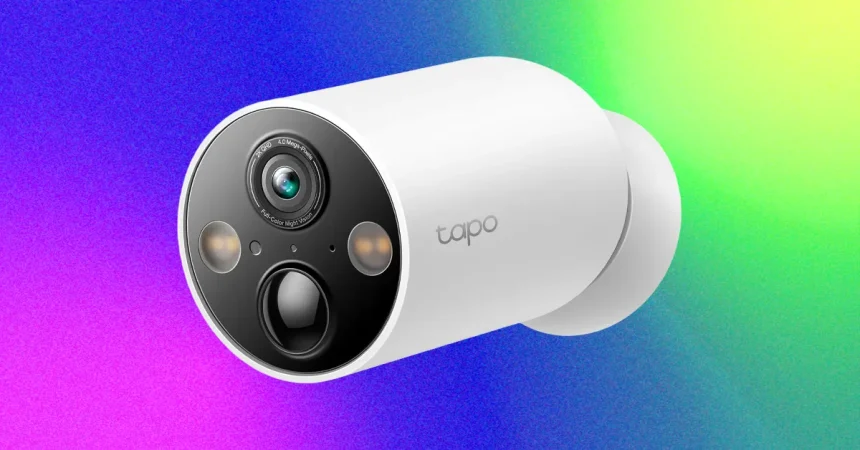
If you’re ready to build your own system without subscriptions, the good news is that there are plenty of smart home security accessories designed to work locally, giving you control over your data and your costs. Instead of relying on a company’s cloud servers to store your video, you can choose devices with local storage options, such as built-in microSD card slots, network-attached storage, or a smart hub that stores footage on a hard drive in your own home. That way, your video belongs to you, and you never have to worry about a company holding your footage hostage behind a paywall or losing access to it if the service goes down. When you’re selecting devices, look for ones that are compatible with open standards and local automation platforms, because those are the ones that won’t try to force you into a monthly plan. You can mix and match brands, choose a motion sensor from one company, a door sensor from another, a camera system you actually own, and a video doorbell that records locally, then connect them all through a central hub or even a simple home automation setup that you control. You don’t have to settle for a one-size-fits-all package that includes features you’ll never use. You can also decide for yourself how much you want to spend, where you want to place your sensors, and what kind of alerts you want to receive. There’s a real sense of empowerment that comes from knowing your security system is yours, not rented from a corporation that wants to squeeze you for every possible dollar.
At the end of the day, security is deeply personal. Some people want the absolute maximum protection, including professional monitoring and cloud storage, and they’re happy to pay for it. That’s completely valid. But for those of us who are tired of subscription fatigue, who don’t want to be nickel-and-dimed just to view our own footage, and who appreciate privacy and independence, building a smart home security system on your own terms is not only possible, it’s actually the better option. You can still get motion sensors, door sensors, cameras, video doorbells, and a loud alarm that will make your heart pound if an intruder ever does brave your front door. You can still check your phone and see a live view of your driveway while you’re at work, or scroll through recorded footage to see whether a package was stolen or a friend stopped by. The difference is that you’re in control. You decide what gets recorded, where it’s stored, and who gets to see it. There’s no hidden contract, no surprise monthly fee, and no anonymous person in a call center watching your family’s daily comings and goings. The peace of mind you get from a security system is supposed to make you feel safer, not stressed about the costs. And with a DIY approach, smart home security can be affordable, private, and genuinely tailored to your life. So take a deep breath, look at your home, and think about what would actually make you feel more secure. Then build the system that makes sense for you, without the paywalls, without the strangers, and without the monthly bill. Because you deserve to feel safe at home, not trapped by the very technology that was supposed to protect you.