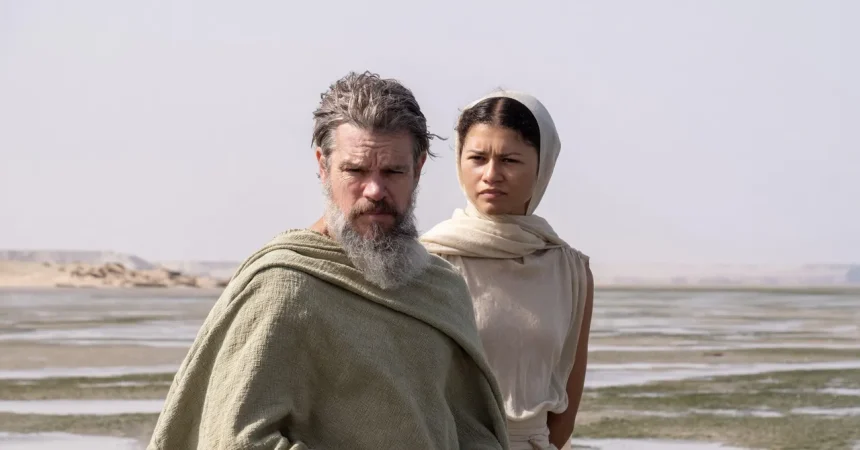
Since its announcement in late 2024, Christopher Nolan’s cinematic adaptation of Homer’s The Odyssey has become a lightning rod for internet discourse. The digital battleground is split between high-minded arguments over the nuances of adapting ancient texts and the more aggressive, “gutter-level” vitriol regarding the film’s diverse casting choices. To the loudest voices on social media, the film was already a battleground for “woke” politics long before a single frame had been seen. However, in a bold shift, Universal Studios has decided to bypass the typical influencer-marketing machine, signaling that they are prioritizing long-term reputation over cheap, viral buzz.
By opting to skip the standard early screenings usually reserved for social media influencers, Universal is effectively pulling the rug out from under the “clout-chasing” economy. In recent years, studios have relied on these early, often hyperbolic reactions to create a protective, positive bubble around a film before professional critics even have a chance to weigh in. By removing this layer of artificial hype, Universal is taking a gamble that the quality of Nolan’s work can stand on its own merits, rather than needing an army of content creators to manufacture premature excitement.
The reaction from the professional press has been overwhelmingly supportive, to the point of palpable relief. Veteran critics like Scott Mantz and David Ehrlich have openly cheered the move, viewing it as a long-overdue return to critical legitimacy. There is a simmering frustration among film journalists who believe the industry has spent years trying to diminish their expertise by positioning influencer reactions as the “voice of the people.” For many, this decision feels like a recognition that thoughtful, professional evaluation still carries a weight that a thirty-second vertical video simply cannot replicate.
From a strategic standpoint, the move might actually be a masterstroke in ego management. By forcing influencers to attend alongside seasoned journalists, Nolan and Universal are inviting them to join the “grown-up table.” It elevates the discourse by default; if an influencer is suddenly sitting in a room with the professionals, they are challenged to engage with the film on a more substantive level. Tim Grierson, a seasoned critic, points out that this tactic creates a psychological shift: it makes those in the room feel valued as professionals, which inherently builds favor that a hollow, gated influencer event never could.
Despite the anxieties projected by online critics who fear a “right-wing backlash,” Universal shows no signs of hesitation. The studio seems confident that the strength of the film will transcend the manufactured culture wars. Everything about the release suggests that the “establishment” approach is the right one. Rather than clamoring for the approval of internet subcultures, the film is being treated as a prestige piece, relying on traditional anticipation and the gravitas of the Nolan name to drive audiences to theaters, and the strategy is clearly paying dividends.
The public response confirms that the hunger for this film has never been about social media sentiment—it’s about the sheer scale of the spectacle. Shattering ticket records at the UK’s largest IMAX and seeing scalpers list seats for a staggering $1,000 on the secondary market tells us everything we need to know. The audience isn’t waiting for an influencer’s seal of approval; they are clamoring for an experience. By betting on the prestige of the cinematic event rather than the volatility of the internet, Universal isn’t just selling a movie; they are protecting the sanctity of the theatrical experience itself.