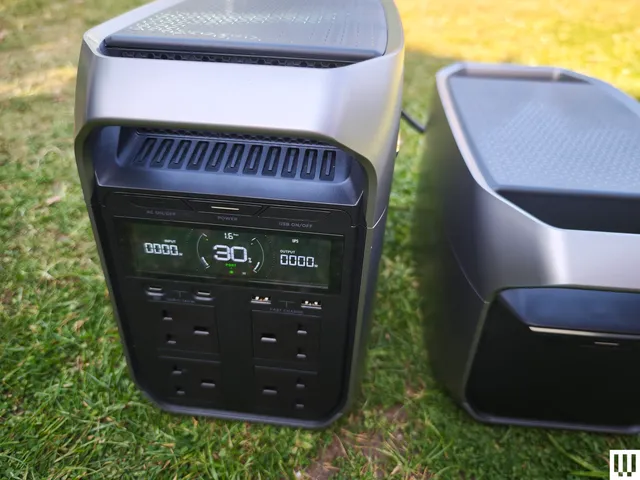
Choosing the right solar generator can feel like navigating a complex maze of technical jargon, but it ultimately comes down to matching your lifestyle with the right amount of power. Whether you are an outdoor enthusiast looking for a reliable way to charge your gear while camping, or a homeowner preparing for unexpected power outages, these portable power stations have evolved into incredibly versatile tools. When shopping, prioritize user-friendly features like clear displays and durable handles, but pay the closest attention to the battery chemistry. I always recommend seeking out LiFePO4 batteries; they are not only safer and less prone to overheating, but they also significantly outlast traditional lithium-ion alternatives, giving you a much better return on your investment.
If you are looking for pure portability, smaller units with integrated features—like built-in lanterns or compact folding solar panel bundles—are absolute game-changers for hikers. Brands like Anker and EcoFlow currently lead the pack by offering a fantastic balance of rapid charging speeds and robust, modular designs. For example, some models can fully charge in under two hours, which is a massive convenience when you’re on the move. However, don’t be swayed solely by fancy features or sleek aesthetics. Look for universal inputs like the XT60 port, which allows you to plug in a variety of third-party solar panels rather than locking you into one manufacturer’s proprietary ecosystem.
For those who need to power more demanding equipment, the jump in capacity is where the real “heavy lifting” begins. High-capacity units—often those in the 1,000 to 2,000 watt-hour range—are designed to handle larger loads like mini-fridges, laptops, or even power tools. When choosing these models, always check for “surge” capabilities. Many manufacturers use clever marketing terms (like “X-Boost” or “AmpUp”) to describe their device’s ability to temporarily handle higher wattage spikes. This is critical if you plan on using appliances with motors or heating elements, as they often require a significant burst of power just to start up. If a unit can’t handle that initial surge, it simply won’t turn on, regardless of its overall battery capacity.
Beyond the raw specs, practical usage is where many people run into surprises. Fan noise is a common, often overlooked factor; some units tend to keep their cooling fans running even under light loads, which can be disruptive in a quiet campsite or a bedroom. Furthermore, always verify the port selection before you buy. You need to ensure the unit has the right combination of AC outlets, USB-C fast-charging ports, and DC connections for your specific devices. If you are serious about using your generator as a backup power source at home, look for UPS (Uninterruptible Power Supply) functionality, which allows the generator to switch on instantly if the grid goes down, protecting your router or computer from a sudden restart.
Maintenance is the secret to getting a decade of life out of your solar generator. A common mistake is treating these batteries like a smartphone—constantly leaving them plugged in or, conversely, letting them drain to zero and stay there for months. To keep your battery healthy, try to keep it charged between 20 and 80 percent when not in use, and store it in a cool, dry place. If you are looking for something to power an entire home rather than just specific appliances, you might actually be better off looking into a permanent home battery system. These require professional installation, but they offer a level of automation and grid integration that portable units simply cannot match for long-term household resilience.
Ultimately, my testing philosophy is simple: real-world performance beats a spec sheet every time. I’ve spent countless hours putting these units through their paces, from charging high-drain power tools and kettles to testing how well they handle partial shade while using solar panels. The most important lesson I’ve learned is to avoid the “no-name” brands found on discount sites. The market is saturated with low-quality options that lack safety certifications and reliable support. Stick to established, well-reviewed manufacturers, and always check that the company offers a solid warranty. By focusing on quality, compatibility, and realistic power needs, you’ll find a reliable power companion that lasts for years rather than one that fails when you need it most.