As artificial intelligence becomes the backbone of modern software development, a concerning new frontier in cyber warfare has emerged. Research from the cybersecurity firm CrowdStrike reveals that attackers are no longer just targeting traditional infrastructure; they are now actively weaponizing the AI toolchain itself. By infiltrating the very systems devs use to build the future, hackers are gaining the ability to steal credentials, exfiltrate sensitive data, and even trigger “death switches” designed to wipe systems clean. This shift represents a dangerous evolution in the digital landscape, where the tools designed to accelerate innovation are being turned against the creators themselves.
The discovery of a sophisticated, worm-like threat crawling through the AI software supply chain highlights the severity of this shift. While security experts like CrowdStrike’s Adam Meyers have not yet officially pinned the activity on a specific state-sponsored group, the patterns mirror the tactics used by notorious, high-level cyber-adversaries. This is not a random glitch or a low-level nuisance; it is a calculated effort to exploit the trust relationships inherent in modern development environments. As AI-driven coding agents become the industry standard, these attackers are inserting themselves into the workflow, positioning their malicious code to act under the guise of legitimate development operations.
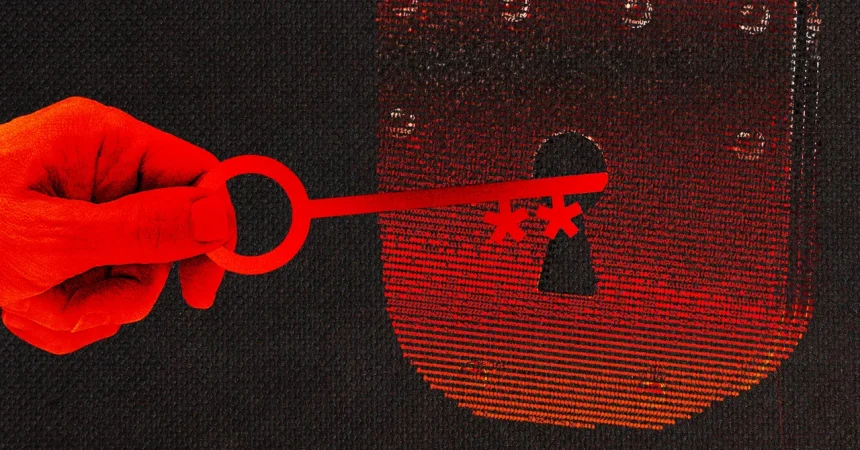
The mechanics of this digital parasite are both methodical and chilling. Once it infiltrates an environment, the worm begins with reconnaissance, mapping out the architecture to identify high-value targets. It scours the system for cryptographic keys, server access credentials, and npm tokens—golden tickets that grant entry to private package repositories and sensitive development pipelines. By mimicking the automated actions used by legitimate coding tools, the worm buries itself deep within the digital infrastructure. As it gains privileges, it gradually expands its reach, eventually reaching a point where it can destroy files or lock organizations out of their own servers entirely.
Perhaps the most alarming aspect of this threat is how effectively it disguises itself in “blind spots.” Because the worm mimics the same automated processes that developers use to ship code, it creates an environment where malicious traffic is virtually indistinguishable from legitimate activity. Traditional security scanners, which rely on identifying anomalies, are struggling to keep up. As Meyers aptly puts it, identifying this threat is like looking for a “needle in a needle stack.” Because the malware operates within the legitimate parameters of the development pipeline, the telemetry data often shows nothing out of the ordinary, leaving security teams effectively blind to the intrusion.
To compound the difficulty for defenders, the creators of this malware have built in sophisticated delay tactics. By programming the software to execute its most destructive actions hours or even days after initial infection, the attackers decouple the cause from the effect. This temporal gap breaks the “trail of breadcrumbs” that security analysts usually rely on to track a breach. Without a clear chain of events, organizations are left scrambling to understand the root cause of failures, often discovering the breach only after significant, and sometimes irreparable, damage has already been done.
Ultimately, this new era of “AI hijacking” reveals a critical vulnerability in our current tech ecosystem. As we lean more heavily into automated coding, our detection surfaces shrink, making it increasingly onerous for cybersecurity professionals to distinguish between a helpful AI agent and a destructive worm. The industry is currently facing a “limited detection” crisis that cannot be solved by a single tool or company. It demands a collective, structural response where developers, security firms, and infrastructure providers collaborate to build better guardrails. Moving forward, the race will not just be about who can innovate the fastest with AI, but who can secure the underlying architecture that makes that innovation possible in the first place.